



Heritage
A house, in its own words
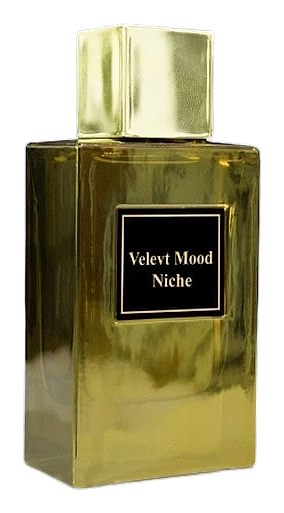
The concept of niche perfumery emerged in the 1980s as a reaction by smaller, independent perfume houses to large, commercial brands. Unlike mass-market fragrances designed for broad appeal, niche houses embraced selective distribution, smaller production runs, and narrower audiences. The movement drew on a longer lineage of independent French perfumery dating back to houses like LT Piver, Lubin, Roger Gallet, Guerlain, and Caron, which had operated outside the conglomerate system since the 18th and 19th centuries. Key figures shaped the modern niche movement: Frederic Malle founded his eponymous house in 1994, becoming one of the most recognized pioneers of contemporary niche perfumery. Sérge Lutens opened a celebrated New York boutique in 1995, and the Parisian house he founded in 1976 was later described as 'the first niche firm.' The category continued to grow through the 2000s with houses like Histoires de Parfums, founded by Gérald Ghislain, expanding the range of what independent perfumery could offer. Niche the brand entered this landscape with its 2021 debut collection, aligning itself with the movement's creative-first ethos during a period when the category was experiencing significant global growth. Niche perfumery is, above all, a story of creative autonomy. The philosophy centers on producing scents that occupy territory mass-market houses avoid: compositions with sharper sillage, unusual material combinations, and emotional directness over crowd-pleasing softness. Niche embraces selective distribution as a deliberate choice rather than a limitation, choosing boutiques and specialty retailers over department store counters. The brand's 2021 catalog reflects this orientation, with titles like Look At Me, Velvet Mood, and Age Of Oud signaling a focus on mood, attitude, and material storytelling. This approach treats fragrance as personal expression rather than accessory, prioritizing the wearer's individuality over mainstream trends. Niche perfumers working in this tradition typically value creative control, working with smaller batches and having greater input over the final formula than is common in commercial production.