




Heritage
A house, in its own words
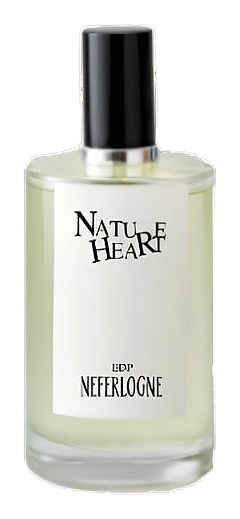
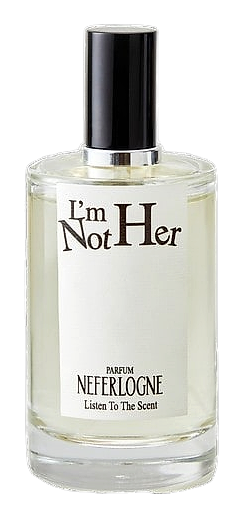
Neferlogne’s documented history begins with its founding by Nevbahar Koç and Esra Tümen Dinçkök, although the available sources do not establish a founding year. The founders describe the house as rooted in heritage and imagination, while the brand’s own materials explain that it was created to preserve a moment through scent. That premise gives the company a clear identity without placing it within a long-established European fragrance dynasty. The earliest dated point in the available catalog is 2022, when five listed fragrances appeared: I’m Not Her, When The Stocks Go Green, Make A Toast, 14:18 and Nature Heart. A second group, Romeo and Juliet, followed in 2023. This compact launch history suggests that Neferlogne built an initial collection quickly, using contrasting themes and direct titles to shape its recognizable voice. The supplied material does not confirm the founders’ birthplace, prior professional careers, company registration date or location of operation. References to perfume heritage elsewhere in the research concern other houses, particularly Farina, and should not be treated as part of Neferlogne’s history. Likewise, no awards, distribution partnerships or commercial milestones are verified in the provided sources. Neferlogne’s heritage is therefore best understood as a contemporary independent house whose central idea is emotional continuity through fragrance. Neferlogne treats perfume as a means of retaining atmosphere, emotion and memory. Its stated aim is to preserve a moment through scent, framing fragrance as an active form of personal recall rather than a decorative accessory. The names in the collection reinforce this approach. I’m Not Her speaks to identity and refusal, Make A Toast introduces a social occasion, 14:18 reads like a precise marker of time, and Nature Heart points toward the natural world. Romeo and Juliet draw on well-known literary names, while When The Stocks Go Green turns a contemporary financial phrase into an imaginative scent title. This range indicates that the house is interested in translating recognizable ideas, moods and experiences into olfactory form. The available evidence does not show whether compositions begin with a fixed brief, memory, place, story or abstract concept, so those parts of the creative process remain unconfirmed. Nor does it identify external perfumers or collaborators. What can be verified is the house’s emphasis on emotional association and the deliberate variety of its naming. Neferlogne presents scent as a vessel for meaning, asking not only what a fragrance smells like, but what occasion, attitude or memory it might carry.