
Heritage
A house, in its own words
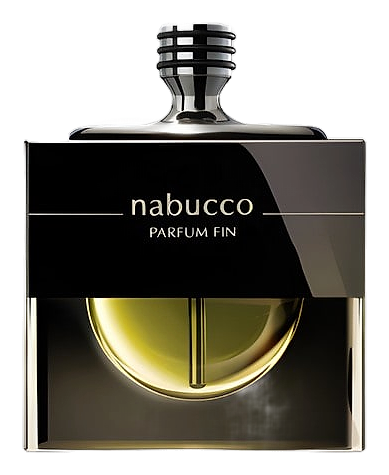
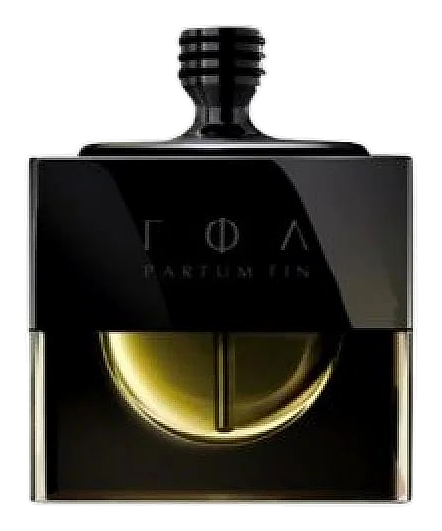
The House of Nabucco traces its origins to 1997, when a French perfumer whose career had been shaped by extended time in the Middle East established the brand in France. This biographical detail proves significant, as the founder's exposure to Arabian perfumery traditions left a recognizable imprint on the house's sensibility. According to fragrance community accounts, the brand made a modest entrance in 1997 with two perfume oil releases: Nabucco Parfum Fin and Amatys Parfum Fin. The timing placed the house within the broader niche fragrance revival of the late 1990s, when smaller ateliers began challenging the conventions of mainstream perfumery. Rather than pursuing rapid growth, Nabucco maintained a measured presence, releasing ΓΦΛ Parfum Fin in 2014 as its most recent catalog addition. Industry databases list the company as privately held with a small team, suggesting a boutique structure that has remained consistent over its history. The company LinkedIn profile, which may reflect updated registration information, indicates incorporation as a privately held entity with specialty focus on niche perfume, oil perfume, and parfum fin production. The house has never pursued major retail distribution, instead finding its audience through specialist fragrance retailers and collector communities. Nabucco's creative philosophy centers on the parfum fin format, a traditional style of highly concentrated perfume oil that predates the alcohol-based fragrances that dominate modern perfumery. This choice represents a philosophical commitment to an older, more intimate mode of fragrance experience. The brand name itself signals theatrical ambition, taking inspiration from Verdi's opera about the biblical figure Nebuchadnezzar. This operatic reference suggests the house views fragrance as a form of dramatic expression, capable of conveying narrative weight and emotional intensity. The founder's biographical connection to the Middle East appears to inform a broader openness to blending Western perfumery techniques with Eastern fragrance sensibilities. Rather than adhering exclusively to French classical traditions, the house seems interested in the syncretic possibilities that emerge from cultural exchange. The spaced-out release schedule, with gaps of nearly two decades between some collections, indicates patience over market pressure. Each scent appears to be treated as a deliberate statement rather than a commercial product cycle, reflecting values of artistic integrity over industrial efficiency.