


Heritage
A house, in its own words
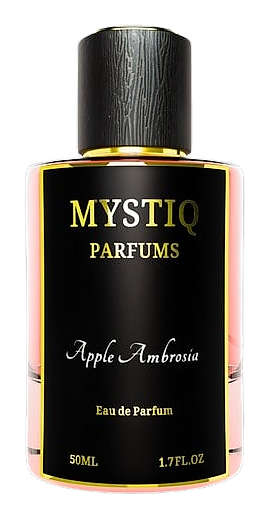
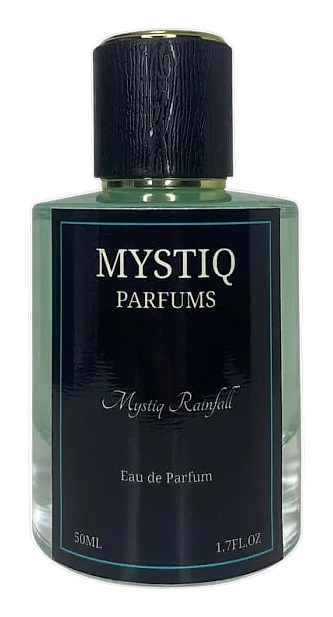
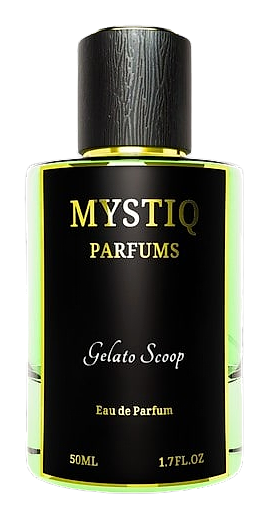
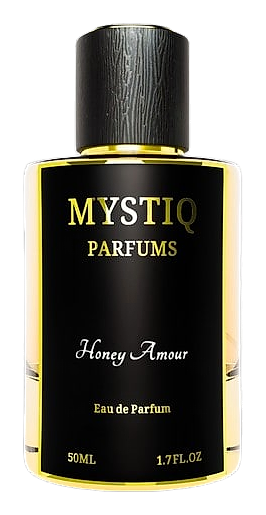
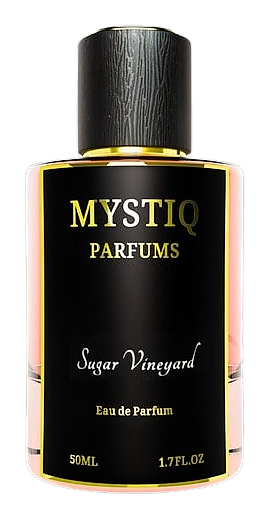
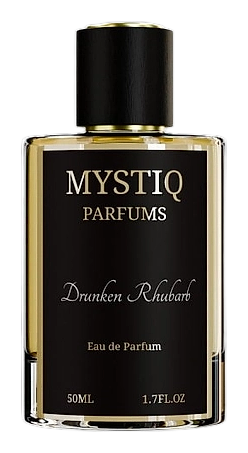
Mystiq Parfums Ltd was incorporated in Wales in 2022, according to the Companies House filing (see reference). The founding team, led by a collective of fragrance enthusiasts rather than a single named perfumer, sought to create a space where scent could be treated as a memory‑making medium rather than a commercial commodity. Early meetings took place in a converted barn near Aberystwyth, where the founders experimented with small‑batch distillations and sourced raw materials from local farms. By late 2023 the house launched its inaugural offering, a citrus‑spiced blend that received modest coverage in regional lifestyle blogs. The following year, 2024, marked a turning point: Mystiq introduced a suite of six fragrances—Mystiq Days, Gelato Scoop, Honey Amour, Sugar Vineyard, Spiced Apple Ambrosia, and Mystiq Rainfall—each accompanied by a limited‑run print booklet that detailed the inspiration behind the scent. Production moved to a modest facility in Cardiff, allowing the brand to control quality while maintaining a low environmental footprint. In 2025 the house released Drunken Rhubarb and Elysian Oud, two scents that attracted attention from niche‑fragrance forums for their bold juxtaposition of fruit and resin. Throughout its short history, Mystiq has emphasized transparency, publishing annual reports that outline ingredient sourcing, batch sizes, and sustainability initiatives. The brand’s growth has been steady but measured, avoiding mass‑market expansion in favor of cultivating a dedicated community of scent collectors across the United Kingdom and beyond. Mystiq Parfums frames fragrance as a personal archive rather than a fleeting trend. The creators describe their approach as a disciplined craft, where each note is chosen for its ability to evoke a specific sensory memory. Rather than chasing seasonal fashions, the house prioritises longevity, designing scents that age gracefully on the skin and develop new facets over time. Sustainability informs the brand’s values: ingredients are sourced from certified organic farms when possible, and waste is minimized through refillable bottle programs introduced in 2024. Transparency is another pillar; the label publishes ingredient lists and, where applicable, the geographic origin of key components such as Welsh heather honey or Moroccan oud. Community engagement occurs through limited‑edition releases that are announced via a curated newsletter, inviting subscribers to share their own stories linked to the fragrance. This reciprocal relationship reinforces the idea that a perfume is not merely worn, but lived.