



Heritage
A house, in its own words
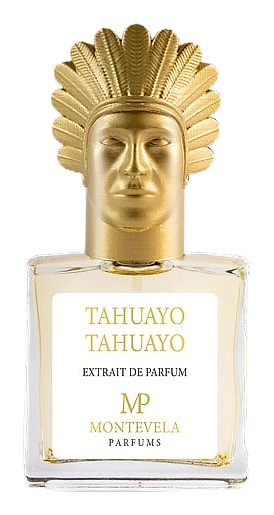
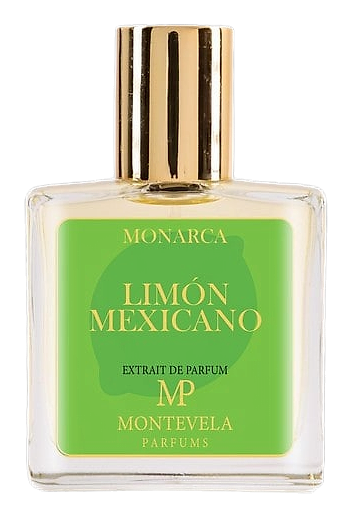
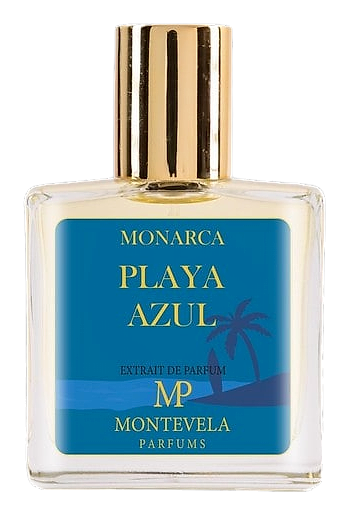
The documented history of Montevela Parfums is compact, with the available record concentrating on its fragrances and their collaborative authorship rather than a long sequence of corporate milestones. One of the clearest external references states that Montevela Parfums fragrances were made in collaboration with perfumers Erick Montevela and Manuel Alejandro Bojorquez Segovia. This places the house within a contemporary Mexican perfumery context, where names such as Monarca, El Patrón, Tahuayo, Tlahualil, and Achón draw attention to titles, people, plants, animals, and places associated with the country. The wider history of perfume provides useful context for this approach. Fragrance-making has ancient roots, including the use of fragrant smoke, powders, and oils in different societies, while a perfume workshop discovered at Pyrgos in Cyprus dates to around 2000 BCE. Those centuries of development are not Montevela's own history, but they help explain why modern perfume houses draw on cultural symbols, natural materials, and inherited olfactory techniques at the same time. Montevela's collection appears to begin with a focused creative premise: translating Mexican references into fragrance while relying on established perfumery practices. Its listed releases, all associated with 2025, form the most concrete chapter currently visible in the brand record. Montevela Parfums approaches perfumery as a meeting point between place and personal imagination. The names of its fragrances show a consistent interest in Mexico, but they do not rely on a single visual motif. Monarca and El Patrón carry titles and authority, Playa Azul evokes a coastal setting, and Tahuayo and Achón point toward more specific cultural or botanical references. Limón Mexicano makes the connection to place explicit through citrus, while Tlahualil and 353 suggest numbered or named identities within the collection. This breadth points to a house interested in building a narrative around each scent rather than presenting one generalized idea of Mexico. The phrase Frezamour, with its playful spelling and French-derived wordplay, adds another layer, suggesting that the creative language can move between local references and international perfume culture. Across the range, the philosophy appears to rest on recognizable concepts and emotional atmosphere. A fragrance title establishes an image, while the composition gives that image sensory form. The involvement of perfumers Erick Montevela and Manuel Alejandro Bojorquez Segovia supports the idea of collaboration at the center of the house's practice, with named creative authorship rather than an entirely anonymous presentation.