
    Brand Profile

    Montegrappa is an Italian house that began as a maker of gold‑nib fountain pens and has grown into a broader luxury‑goods label. Based in Ba…More

    Italy·Est. 1912·Site

    4.8

    Rating

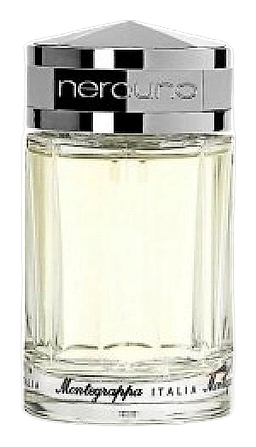
    NeroUno by Montegrappa
    Best Seller
    4.8

    NeroUno

    NeroUno For Women by Montegrappa
    Best Seller
    3.9

    NeroUno For Women

    Haltane by Parfums de Marly
    Coming Soon

    Haltane

    Parfums de Marly

    Baccarat Rouge 540 by Maison Francis Kurkdjian
    Coming Soon

    Baccarat Rouge 540

    Maison Francis Kurkdjian

    Aventus by Creed
    Coming Soon

    Aventus

    Creed

    Sauvage by Dior
    Coming Soon

    Sauvage

    Dior

    The Heritage

    The Story of Montegrappa

    Montegrappa is an Italian house that began as a maker of gold‑nib fountain pens and has grown into a broader luxury‑goods label. Based in Bassano del Grappa, the company blends traditional metalwork with contemporary design. In 2012 it entered the fragrance market with NeroUno, a scent that carries the same attention to material and detail that defines its pens. Today the brand offers writing instruments, accessories and a small but focused perfume line, all produced in its historic workshop.

    Heritage

    Montegrappa was founded in 1912 in Bassano del Grappa, a town known for its metal‑working tradition. The original name, Manifattura pennini d'oro e penne stilografiche, reflected a focus on gold nibs and fountain pens. Early customers included Italian diplomats and artists who valued the hand‑crafted quality. During the 1930s the firm introduced its first gold‑plated nibs, a technical achievement that set a benchmark for the industry. World War II forced a temporary slowdown, but the workshop reopened in 1946 and resumed production with renewed vigor. In the 1970s Montegrappa expanded its catalogue to include limited‑edition pens that featured exotic materials such as celluloid, lacquer and mother‑of‑pearl, reinforcing its reputation for material experimentation. The 1990s saw the brand open a museum in its original factory, allowing the public to view historic prototypes and learn about the evolution of Italian penmaking. A major milestone arrived in 2012 when Montegrappa launched its first fragrance, NeroUno, marking the first time the house applied its craftsmanship to olfactory design. The scent was presented alongside a limited‑edition pen, linking the two product families. In 2020 the company introduced NeroUno for Women, extending the fragrance line while maintaining the same artisanal approach. Throughout more than a century Montegrappa has remained family‑owned, keeping production in the original Bassano facility and preserving the hand‑assembly methods that defined its early years.

    Craftsmanship

    Every Montegrappa pen begins with a hand‑cut brass or stainless‑steel barrel that is polished to a mirror finish. Artisans apply gold, palladium or rose‑gold plating using a low‑temperature electro‑plating process that preserves the metal’s integrity. Decorative elements such as guilloché patterns are engraved by skilled craftsmen using traditional lathes, a step that can take several hours for a single piece. The nib is forged from a gold alloy, then shaped and tempered to achieve the exact flexibility required for smooth ink flow. Final assembly occurs at a single workbench where a master technician checks alignment, ink feed and balance before the pen is packaged. For fragrances, Montegrappa follows a small‑batch approach. The company contracts with established perfumers who formulate the scent in a laboratory that meets International Fragrance Association standards. Natural extracts such as bergamot, cedarwood and ambergris‑type notes are sourced from certified suppliers in Italy, France and the Mediterranean. The base oil is a high‑grade jojoba that provides a stable carrier. After blending, the mixture rests for several weeks to allow the accords to integrate fully. The final liquid is filtered through a stainless‑steel mesh and poured into hand‑blown glass bottles that bear the same gold‑plated cap design used on the pens. Quality control includes blind scent tests by a panel of experts and a visual inspection of each bottle for imperfections. Both pens and perfumes carry a serial number that links the item to its production batch, reinforcing traceability and accountability.

    Design Language

    Montegrappa’s visual language relies on a restrained palette of deep black, polished metal and occasional gold accents. Pen silhouettes feature clean lines, a tapered barrel and a discreet clip that echoes the shape of a fountain pen’s nib. The brand’s logo, a stylized “M” rendered in a serif typeface, appears embossed on the cap and engraved on the barrel, creating a subtle brand signature. Bottle design for the fragrance line mirrors this approach: a slender, rectangular glass vessel capped with a brushed‑metal top that bears the same engraved “M”. The packaging uses matte black boxes lined with charcoal‑gray satin, allowing the product to emerge with a quiet sense of ceremony. Advertising imagery often shows the pen or bottle placed on a dark wooden surface, highlighted by soft, directional lighting that emphasizes texture. This aesthetic reinforces the brand’s commitment to craftsmanship without resorting to overt branding or flashy graphics.

    Philosophy

    Montegrappa’s creative vision rests on a belief that objects should age gracefully and tell a story through their materiality. The brand values durability, tactile pleasure and a quiet confidence that comes from precise engineering. In perfumery the house translates these principles into scents that emphasize balance rather than flash. The fragrance team works with external perfumers, but the brief always stresses restraint, a clear structure and a focus on high‑quality raw ingredients. Montegrappa also stresses responsibility to its regional community; it sources many metal components from local foundries and collaborates with Italian artisans who specialize in lacquer work or enamel. The company’s statements often reference the idea of “making something that lasts”, a sentiment that guides both pen and perfume development. By treating scent as an extension of the tactile experience, Montegrappa seeks to create a subtle dialogue between the hand that holds a pen and the skin that encounters a fragrance.

    Key Milestones

    1912

    Founding of Montegrappa in Bassano del Grappa as a manufacturer of gold nibs and fountain pens.

    1930

    Introduction of the first gold‑plated nibs, establishing a technical benchmark for Italian pen makers.

    1975

    Launch of limited‑edition pens featuring exotic materials such as celluloid and mother‑of‑pearl.

    1998

    Opening of the Montegrappa museum within the original factory, showcasing historic prototypes.

    2012

    Release of NeroUno, the brand’s first fragrance, paired with a limited‑edition pen.

    2020

    Introduction of NeroUno for Women, expanding the fragrance portfolio.

    At a Glance

    Brand profile snapshot

    Origin

    Italy

    Founded

    1912

    Heritage

    114

    Years active

    Collection

    1

    Fragrances released

    Avg Rating

    4.8

    Community sentiment

    montegrappa.com

    Did You Know?

    Interesting Facts

    Distinctive details and defining moments that shape the house personality.

    01

    Montegrappa still produces its pens in the same factory that opened in 1912, a rarity among luxury brands.

    02

    The company’s first gold‑plated nibs were created using a hand‑controlled electro‑plating bath, a technique that has been preserved for over 80 years.

    03

    NeroUno’s bottle cap is made from the same brushed‑metal alloy used on the caps of Montegrappa’s limited‑edition pens.

    04

    During World War II the workshop shifted to producing metal components for the Italian army, then returned to penmaking after the conflict.