Heritage
A house, in its own words
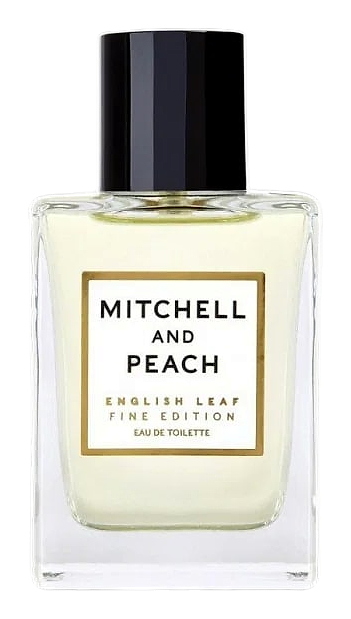
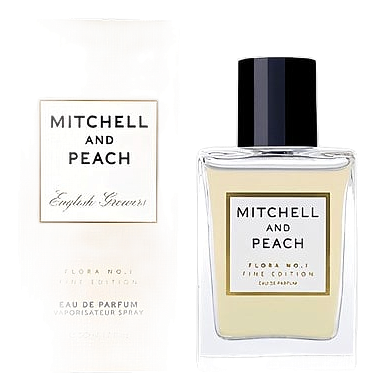
The Mitchell family began working the same stretch of Kent farmland in 1892, starting as mixed farmers with livestock and oats in the area around Sevenoaks, often described as the Garden of England. Over five generations the family transitioned toward botanical cultivation, eventually building a working lavender farm that became the foundation for their later fragrance work. For more than a century the Mitchells focused on farming rather than perfumery. The leap into scent came in the 2000s, when Jod Mitchell, raised on the family farm, began distilling and blending using material grown on the estate. The company Mitchell and Peach was formally established in 2006, registered in Tonbridge, Kent, with operations centered on the family land. Early fragrance launches followed quickly, with Flora No. 1 and English Leaf (Fine Edition) both appearing in 2016. These two compositions marked the brand's first serious entries into fine perfumery and set the tone for a catalog that draws directly from the surrounding English countryside. The house continues to operate from Kent, maintaining the agricultural roots that have defined the family name since the Victorian era. Mitchell and Peach operates from a starting point that most fragrance houses cannot claim: the raw botanical material is grown on land the founding family has worked for over a century. That agricultural foundation shapes every creative decision, from which plants are cultivated to how they are harvested and distilled. The creative direction, led by Jod Mitchell, leans on personal memory and landscape rather than market trends. Scent compositions are built around the character of the Kent countryside as the family experiences it across seasons, a deliberately local perspective that rejects the globalized palette common to many commercial fragrances. Values center on continuity, provenance, and restraint. Rather than chasing volume or rapid line expansion, the house prioritizes small production runs and ingredient transparency. Each fragrance is treated as an extension of the farm itself, an olfactory record of place rather than a marketing concept.