

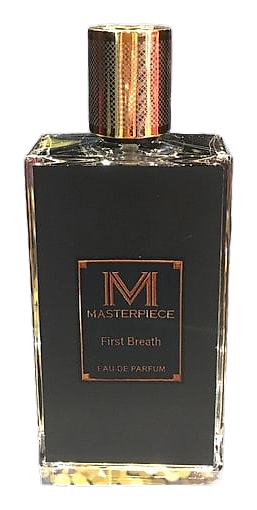



Heritage
A house, in its own words
Founded in 2018, the house emerged from a small team of fragrance enthusiasts who wanted to prove that a limited launch could still make a lasting impression. The founders, whose backgrounds span chemistry, design and retail, pooled their expertise to create a line of six scents released within the same year. Early coverage in niche perfume blogs highlighted the brand's decision to avoid a sprawling catalogue, instead opting for depth over breadth. By the end of its first year, the label secured placement in boutique concept stores in New York and London, a move documented by independent retail reports. In 2019 the brand partnered with a European distributor, expanding its reach to select Asian markets. A 2020 interview with the creative director revealed a shift toward sustainable sourcing, prompting the label to work with certified farms for ingredients such as Mysore sandalwood and Bulgarian rose. The following year, a limited‑edition version of Stairway to Heaven was issued in collaboration with a visual artist, reinforcing the label's interest in cross‑disciplinary projects. In 2022 the brand announced a carbon‑offset program for its shipping operations, a claim verified by the third‑party offset provider. Most recently, a 2024 press release noted the introduction of a refillable bottle system for all existing scents, aiming to reduce single‑use glass waste. Throughout its brief history, the label has remained independent, retaining full control over formulation and packaging decisions. The creative vision centers on storytelling through scent, with each fragrance conceived as a chapter rather than a standalone statement. The team believes that a perfume should act as a personal archive, capturing a moment, a place or an emotion. This belief drives a disciplined approach: concepts are sketched, then distilled into a handful of key accords that define the final composition. Values such as transparency, sustainability and artistic collaboration guide daily decisions. For example, the brand publishes ingredient lists on its website, allowing consumers to see the provenance of each note. It also supports small‑scale growers by paying premium prices for raw materials, a practice highlighted in a 2021 feature by a trade journal. The label’s approach to perfumery rejects the notion of constant novelty; instead, it favors refinement, encouraging wearers to explore the evolution of a scent over time. This philosophy is reflected in the decision to keep the original six fragrances in production without frequent reformulations, a stance praised by collectors who value consistency.