Heritage
A house, in its own words
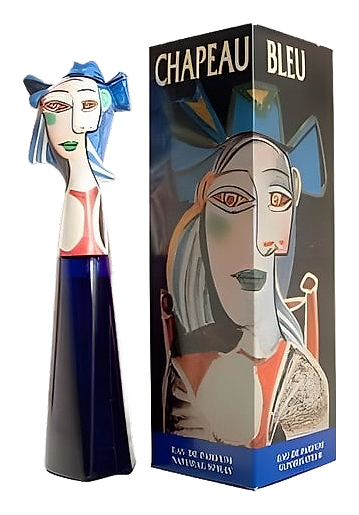
Marina Picasso was born on 14 November 1950 in France, carrying one of the most recognizable surnames in art history as the granddaughter of Pablo Picasso. While her family name carries enormous cultural weight, Marina carved her own path through humanitarian work, establishing the Marina Picasso Foundation to support charitable causes. The fragrance chapter of her career remains relatively undocumented compared to her public charitable activities. According to fragrance intelligence sources, she launched two fragrances in the early 1990s: Chapeau Bleu and Marina Femme. Chapeau Bleu emerged as her most documented scent, released in 1994. The timing placed her entry into perfumery during a period when celebrity fragrances were becoming increasingly commercialized, yet her approach remained understated. Unlike relatives who pursued more public creative careers, Marina's fragrance work operated quietly, making her scents relatively rare finds in the vintage market. The connection to art world sophistication runs through her work, even without explicit marketing narratives about creative direction. The philosophy behind Marina Picasso's fragrance work appears rooted in discretion rather than commercial expansion. With only a handful of releases spanning the early 1990s, the brand suggests an approach where perfumery served as a personal expression rather than a business venture. The collaboration with Arturetto Landi indicates a respect for traditional perfumery expertise, choosing to work with an established nose rather than positioning the family name as sufficient creative authority. This restrained philosophy aligns with Marina's documented humanitarian focus, where impact matters more than visibility. The limited nature of her fragrance releases, particularly descriptions of Chapeau Bleu as a rare vintage limited edition, suggests production focused on quality and exclusivity over volume. Collectors who encounter Marina Picasso fragrances often describe them as discoveries rather than widely marketed products, reinforcing the impression of a brand that released what resonated personally rather than what the market demanded.