


Heritage
A house, in its own words
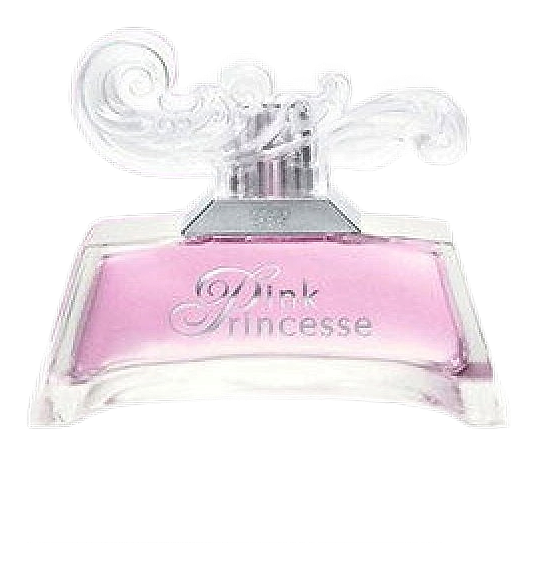
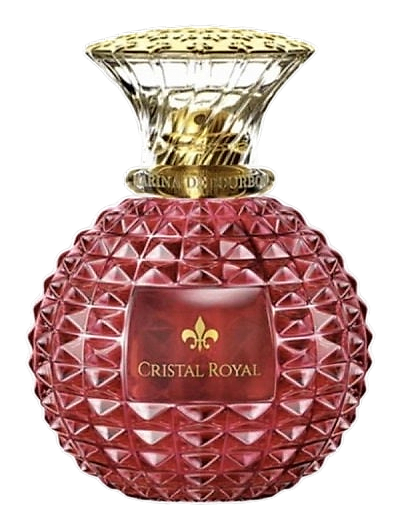
The house traces its origins to 1994, when Marina Gacry, a French woman who married into the Bourbon-Parma dynasty, established Princesse Marina de Bourbon as a vehicle for sharing the secrets of royal perfumery. Her husband, Prince André of Bourbon-Parma, belongs to a lineage that stretches back through centuries of European nobility, lending the brand an air of historical continuity that distinguishes it from houses with purely commercial origins. Marina's vision was personal: she wanted to translate the refinement of palace life into wearable fragrances accessible to women everywhere, not just the aristocratic circle she inhabited. Over approximately twenty years, the house developed a portfolio of around forty-five scents, each positioned as a chapter in an ongoing narrative of French elegance. The brand's identity rests on two pillars, the legacy of the Bourbon family and Marina's own sensibility, which she describes as shaped by a lifelong passion for flowers and the artisanal knowledge of French fragrance craft. Rather than chasing trend cycles, the house has maintained a measured release schedule, allowing each fragrance to accumulate meaning rather than volume. Flagship lines like Marina Classique and various Princesse variations anchor the collection, with limited editions and flankers extending the range over time. Marina de Bourbon operates from a belief that great fragrance is fundamentally democratic. Despite the royal associations, the house positions itself as a bridge between elite heritage and everyday luxury, asking customers to share in an experience that was once confined to courts. The originality of the fragrances, according to the house itself, emerges from the intersection of that three-hundred-year royal narrative and Marina's distinct personality, a combination that produces scents with recognizable character rather than generic appeal. Flowers serve as the creative constant across the collection, a nod to Marina's avowed passion and to the botanical traditions that underpin French perfumery generally. The brand explicitly resists the notion that royal heritage is merely decorative; instead, it frames history as a living creative resource, something that shapes the actual smell of the perfumes rather than just their marketing story. This philosophy distinguishes the house from brands that invoke nobility as pure brand dressing without corresponding substance in the formulas themselves.