



Heritage
A house, in its own words
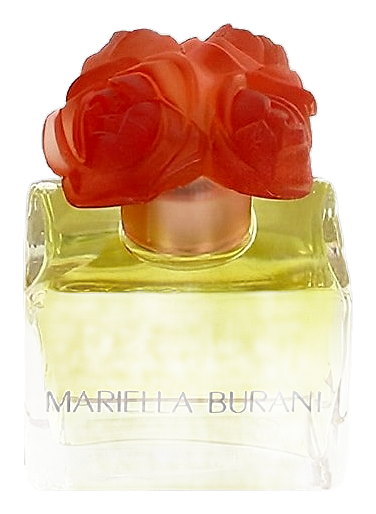
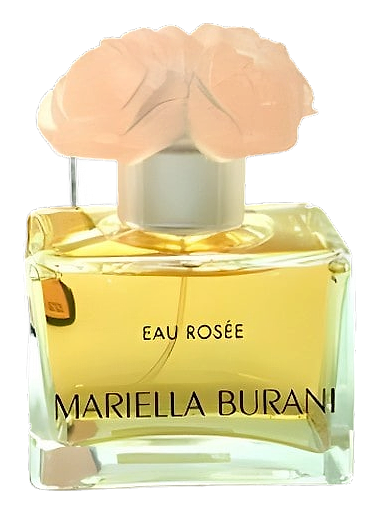
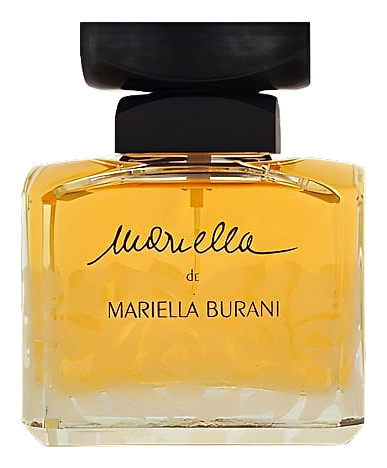
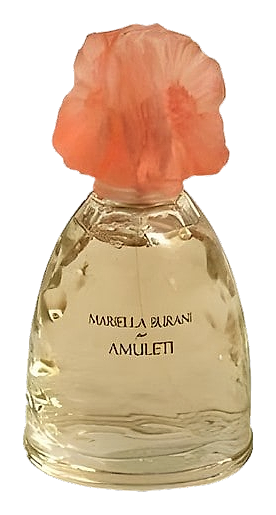
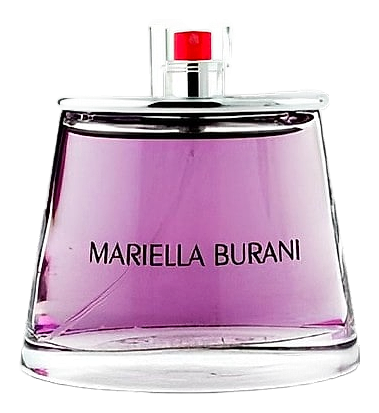
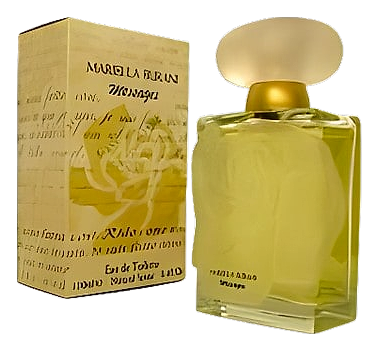
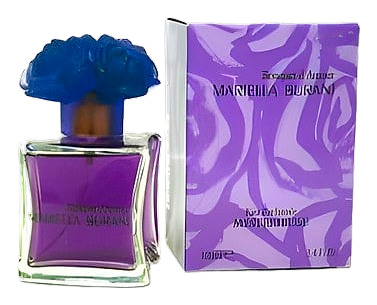
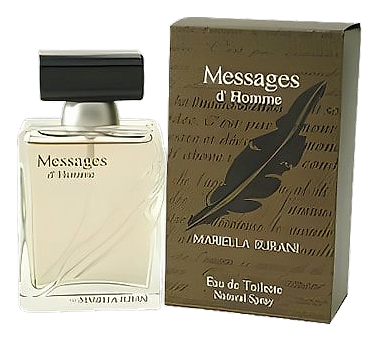
The Mariella Burani fashion house traces its origins to 1960, when Mariella Burani and her husband Walter established their venture in Italy. Unlike many fashion houses with aristocratic lineages, Mariella's path into design began far from the atelier. She trained as a primary school teacher in her hometown of Cavriago before marrying Walter Burani, who owned the Burani Garment Group. This connection to the garment industry provided her entry into fashion design, and she eventually became the creative force behind the brand that bore her name. The company grew steadily over decades, transforming from a family operation into a publicly listed company that operated boutiques across Italy and internationally. The Burani family's involvement extended across generations, with Giovanni Burani later becoming associated with the company's leadership. Throughout the 1990s and 2000s, the fashion house expanded its offerings beyond clothing into leather goods, accessories, and notably, fragrance. The brand's Italian heritage remained central to its identity, with designs reflecting the elegance and craftsmanship traditionally associated with Italian fashion. Mariella Burani fragrances center on romantic, feminine compositions that draw heavily from floral ingredients, particularly rose. The Collection De Roses line, which spawned multiple flankers including Bouquet de Roses Sensuelle in 2001 and Bouquet de Roses Relaxante in 2001, demonstrates the brand's dedication to exploring different facets of the rose. The philosophy appears to emphasize accessibility and wearability, creating perfumes that appeal to women seeking elegant, approachable scents rather than avant-garde compositions. Italian sensibilities inform the aesthetic, with an emphasis on romanticism and timeless femininity. The brand's approach to fragrance creation seems rooted in the tradition of using perfume as an extension of personal style, much like selecting an outfit or accessory. Multiple fragrance releases throughout the early 2000s suggest a strategy of offering variety within a cohesive olfactory family, allowing customers to find variations suited to different moods and occasions.