
Heritage
A house, in its own words
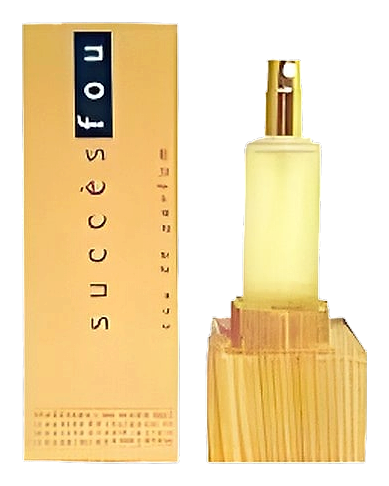
The documented history of Marcella Wouters is deliberately small and begins with a fragrance release in 1980. A composition carrying the name Marcella Wouters appears in the Silloria fragrance base with that date, establishing the name as part of the brand’s recorded catalogue from the early 1980s. The available research does not identify a founder, original location, or legal company structure with enough confidence to include those details as established fact. This absence matters, because it prevents the brand story from being filled with assumptions about independent perfumery houses, family businesses, or particular national traditions. A second fragrance, Succes Fou, entered the catalogue in 2000. Its name translates from French as “fou,” meaning mad or crazy, and “succès fou” can suggest a success that is daring, unexpected, or unconventional. The title gives the later release a more theatrical identity than the straightforward eponymous composition. Twenty years separate the two recorded launches, giving the Marcella Wouters catalogue a concise arc across late-20th-century fragrance. Research into the broader history of perfume shows that scent-making practices stretch from ancient oils and fragrant preparations to later methods involving alcohol, but those histories cannot be treated as part of this specific house’s lineage. For Marcella Wouters, the verifiable heritage rests on named fragrances and dated appearances rather than a detailed corporate chronology. The clearest creative thread across Marcella Wouters is contrast through naming and scent character. The original Marcella Wouters uses the maker’s name as its title, an understated choice that places personal authorship at the centre. By 2000, Succes Fou introduced a more playful, provocative register. Its almond note, supported by touches of iris and ambrette, fits that mood. Almond brings a rounded, edible warmth, while iris and ambrette add a cooler, softly textured dimension. The result is described as lovely, slightly iris and ambrette in character, but the composition still feels intimate rather than grandiose. This pairing suggests a house identity that can move between restraint and eccentricity without relying on the language of spectacle. The available material does not establish a formal manifesto, stated ingredient philosophy, or declared approach to perfumery, so any broader claim would be speculative. What can be observed is the concise creative pairing of a namesake fragrance with an expressive later composition. Each belongs to a different year and carries a distinct tonal identity, yet both remain connected by the Marcella Wouters name and by a preference for recognizable aromatic signatures.