
Heritage
A house, in its own words
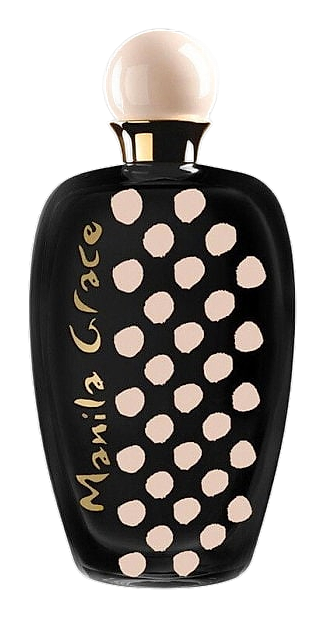
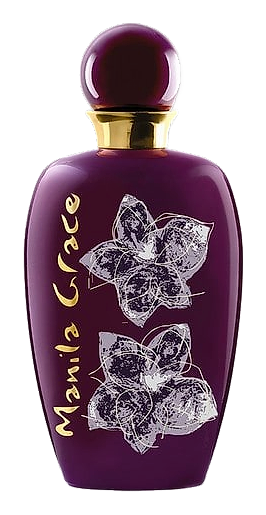
Manila Grace emerged from the partnership between Santi Alessia and Maurizio Setti, who established the brand as an Italian fashion house in 2004. Rather than grounding itself solely in Italian tradition, the founders chose a name and aesthetic that reflect a cross-cultural sensibility, drawing from the Philippines and its reputation as a historically significant center of perfumery. Historical records indicate that in the late 1800s, the Philippines held the designation La Reina De Los Perfumes Del Oriente, or the Queen of Perfumes in the East, a reference to the archipelago's historical prominence in producing fragrant oils and botanicals traded throughout Asia. The brand's connection to this heritage appears intentional, with its fragrance collection designed to evoke the warmth and luminosity associated with Southeast Asian culture. Santi Alessia and Maurizio Setti built Manila Grace into a lifestyle brand encompassing fashion, accessories, and ultimately a fragrance line that launched approximately a decade after the fashion house's inception. The brand operates from its Italian base while maintaining a distinctly international outlook, a duality reflected in both its design philosophy and the multicultural inspirations embedded in its perfume collection. The Manila Grace approach to fragrance reportedly centers on luminosity, femininity, and sensory warmth. The brand's creative direction suggests an intention to translate the layered beauty of cross-cultural inspiration into olfactory form, drawing from both European perfumery traditions and the aromatic heritage of Southeast Asia. The fragrances are characterized by bright, approachable compositions that balance florals with warmer undertones, aiming for a modern elegance rather than heavy, complex structures. According to available descriptions, the scent philosophy prioritizes wearability and a certain accessibility, positioning the collection as an entry point into more distinctive niche perfumery. The name Fleur Narcotique, applied to one of the flankers, hints at a flirtatious, addictive quality the brand seeks to capture in its more floral-forward expressions. The Eau Fraîche variant suggests a lighter, more refreshing interpretation suited to different occasions and climates. Overall, the brand's fragrance philosophy appears geared toward capturing sunlight, warmth, and the spirit of feminine internationalism.