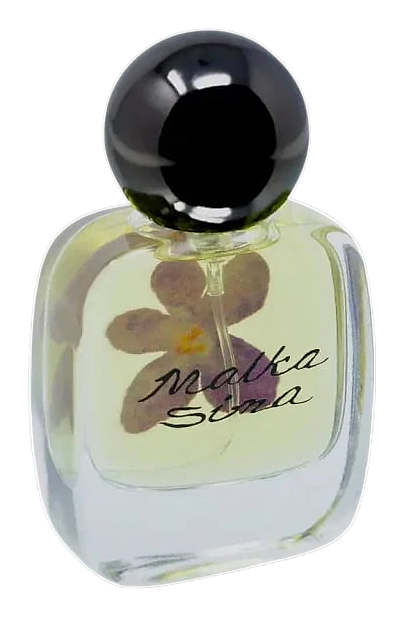
Heritage
A house, in its own words
Malka Sima grew out of Max Turk's apothecary practice, which she ran for over a decade before formalizing her perfume work into its own house. That long apprenticeship in botanical blending gave her a working knowledge of raw materials, tinctures, and traditional preparations that most new perfumers simply do not have. She is the founder, owner, and sole perfumer behind every bottle, handling compounding and bottling herself. The launch was timed to lilac season, a deliberate choice that set the tone for the brand: seasonal, nature-rooted, and intimately tied to the moment a particular flower is in bloom. The name itself came together as a kind of spell, chosen with the same care that goes into the compositions. From the start, Malka Sima positioned itself not as a lifestyle brand but as a House of Natural Perfumery, a small-batch operation built around craft rather than scale. The house is based in Portland, Oregon, a city with a deep indie beauty and botanical scene, and it draws on that ecosystem of growers, foragers, and fellow artisans. Though relatively young, the line has already begun attracting attention from fragrance writers and indie perfume enthusiasts who appreciate its emphasis on natural materials and its refusal to chase mainstream trends. At the heart of Malka Sima is a simple but firm idea: fragrance should draw you closer and linger softly. Max Turk talks about scent in relational terms, as something meant to bring people into proximity rather than project a statement. That sensibility shapes every formula. The creative vision draws on the natural world, core memories, and the kinds of sensory details that anchor a life. A composition might begin with a specific bloom in a specific season, or with the emotional texture of a remembered place. Materials are chosen for their character and their ability to carry feeling, not for trend value. Natural perfumery is central to the philosophy. The house emphasizes natural raw materials and traditional methods, working in a register that values botanical authenticity over synthetic abstraction. The result is a style that feels grounded and present, closer to a tincture pressed from garden clippings than a polished commercial launch. It is perfumery as correspondence with the natural world.