Heritage
A house, in its own words
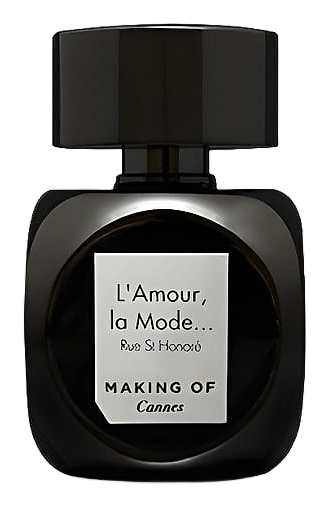
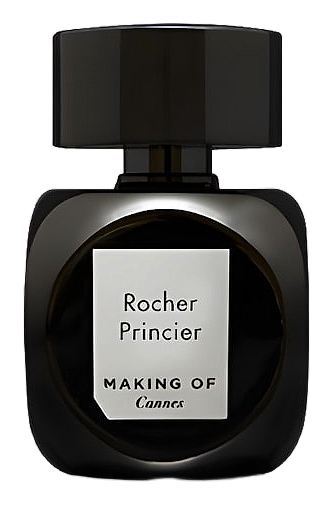
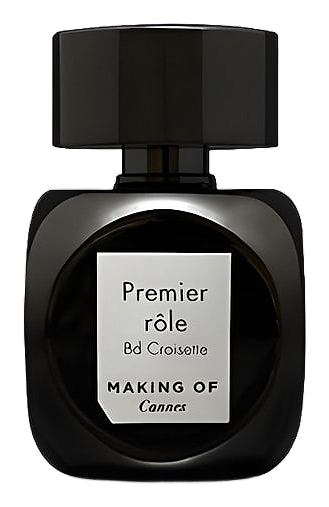
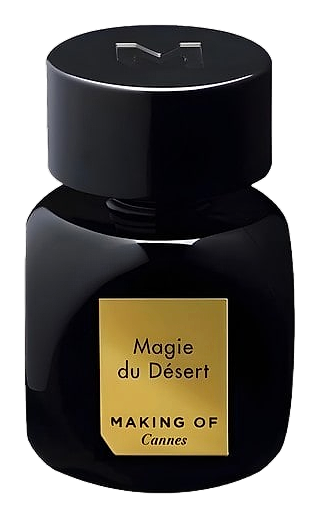
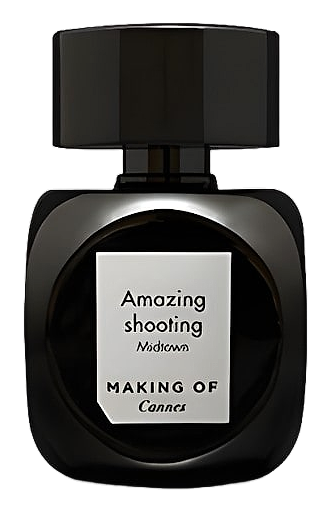
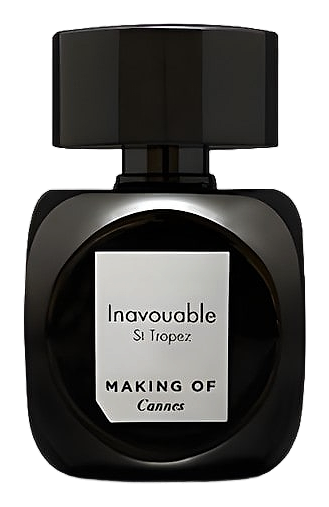
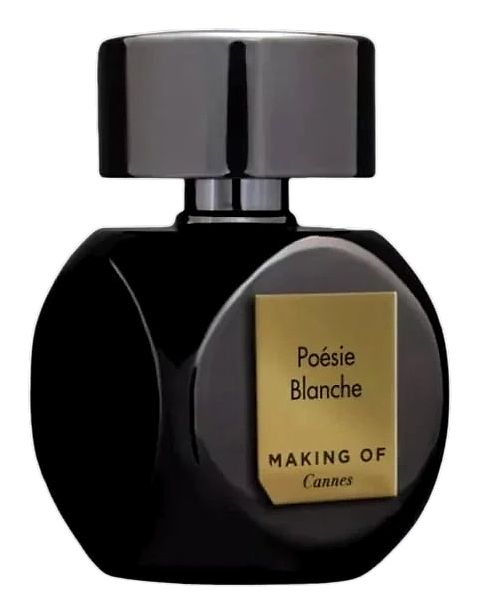
The Making of Cannes brand appeared in the fragrance landscape in 2014, according to available product listings. The name itself carries immediate associations with the celebrated film festival held annually on the Mediterranean coast, suggesting an intentional positioning that connects perfume to the world of cinema and storytelling. The brand's founding circumstances, founder identity, and country of origin are not extensively documented in accessible sources, which places it in the category of independent houses that maintain a lower public profile. Their 2014 fragrance Premier Role (First Role) launched alongside several other scents that year, including Rocher Princier (a reference to the Prince's Rock in Monaco), Inavouable (Undeniable), and L'Amour, la Mode (Love, Fashion). The 2016 release Magie du Désert (Desert Magic) expanded their thematic range, followed by Poesie Blanche (White Poetry) in 2017 and Amazing Shooting in 2014. The French-language naming throughout their catalog signals clear alignment with French perfumery traditions and aesthetic values. Unlike heritage houses with centuries of documented history, Making of Cannes represents a more contemporary entry into niche fragrance, built around thematic concepts rather than family lineage or historic ateliers. The brand's trajectory from 2014 through 2017 shows a concentrated period of creative output, after which public information about new releases becomes sparse. Making of Cannes approaches fragrance as a medium for capturing moments and evoking narratives. Their scent titles function as invitations to imagined scenarios, whether the dramatic setting of Magie du Désert, the personal intimacy suggested by Inavouable, or the celebratory atmosphere implied by L'Amour, la Mode. The brand appears to prioritize emotional resonance over technical specification in how they present their creations. Rather than leading with ingredient pyramids or perfumer credentials, the house emphasizes thematic concepts that position each fragrance as a story waiting to unfold on the skin. This approach aligns with broader trends in niche perfumery, where buyers often seek emotional connections and conversation-starting narratives rather than simply pleasant scents. The Cannes reference anchors the brand in a specific cultural context, evoking red carpets, glamour, and the dramatic art of filmmaking. Whether this connection translates into specific creative practices or remains primarily a marketing positioning remains unclear from available documentation. The philosophy, as inferred from their presentation, suggests that wearing a Making of Cannes fragrance should feel like stepping into a scene rather than simply applying a scent.