









Heritage
A house, in its own words
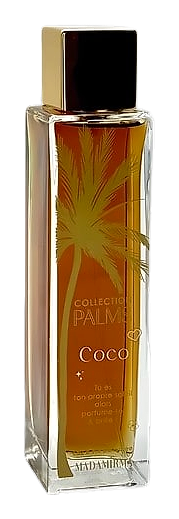
Madamirma is a young fragrance house, with its earliest recorded edition dating to 2023. That makes it one of the more recent entrants in a perfumery landscape where most storied maisons trace their roots back centuries. In this short span, the brand has assembled a catalog of at least ten compositions, moving from foundational releases like Tonkabaya, Irma Oud, Baroko, Mari-Jane, Bohemienne, and Patchou in its debut year, through Love Summer and Coco in 2023 and 2024 respectively, to Tzigana in 2025. The speed and breadth of this rollout suggest a deliberate strategy: rather than building slowly around a single signature, the house is mapping a varied territory across gourmand, oriental, floral, and resinous territory. No public record of a named founder has surfaced in independent sources, and the brand's official channels remain the primary reference for its origins, which means the historical record is still being written. What can be said with confidence is that within roughly two years of its first release, Madamirma had established a recognizable creative vocabulary built on strong material choices and a willingness to mix cultural references, from the Roma-inspired Tzigana to the oud-forward Irma Oud. Public-facing statements from the brand emphasize a focus on quality, refinement, and individuality, positioning Madamirma as a house for wearers who want something personal rather than mainstream. The naming choices across the catalog reinforce this stance: Baroko and Bohemienne nod to artistic counterculture, Tzigana evokes the romance of itinerant life, and Tonkabaya plays with the textures of tonka and tobacco. Taken together, the lineup suggests a creative vision that values storytelling through scent, treating each fragrance as a character with its own mood and cultural reference point. The brand appears to prioritize material expression over trend-chasing, with heavy use of resins like oud and patchouli sitting alongside softer, more approachable compositions. This range indicates an approach to perfumery that is inclusive rather than narrowly defined, inviting different kinds of wearers into the same house.