






Heritage
A house, in its own words
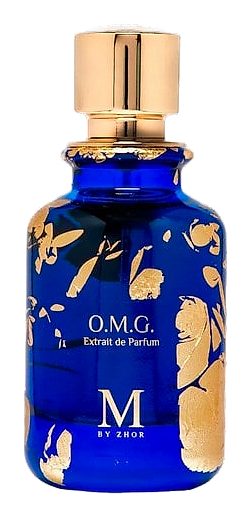
The story of M by Zhor begins with its parent house, Zhor Parfums, which established itself as a destination for niche fragrance lovers in northern Italy. George Zaharoff, the founder, built the brand's identity around his personal heritage, incorporating Moroccan olfactory traditions into an Italian perfumery context. The Milan boutique on Via Formentini became a gathering point for fragrance collectors, particularly after the house participated in Esxence 2019, one of Europe's premier niche fragrance trade events. During this period, industry contacts like Gianluca of Zhor Perfumery helped introduce the house to a wider audience of collectors and enthusiasts. The launch of the M by Zhor line in 2023 marked a deliberate expansion strategy, creating a more accessible entry point to the house's aesthetic while maintaining the artisanal approach that characterized the parent brand. The eight inaugural releases (Amira, Miran, Ijlal, Elysia, Samà, Afia, and the 2024 additions Venus and OMG) each carry names suggesting cultural touchstones, reflecting the founder's intent to honor roots while exploring new creative territory. This layering of heritage and innovation has become a defining characteristic of the brand's trajectory. The philosophy underlying M by Zhor rests on a conviction that fragrance should function as storytelling, not merely as personal grooming. George Zaharoff has spoken about building each scent with reverence, a term that appears repeatedly in brand communications and suggests a deliberate, almost ceremonial approach to composition. The emphasis on ethically sourced woods and responsibly handled resins indicates that the house considers not only the final olfactory result but also the environmental and social conditions of ingredient production. This stance places M by Zhor within a broader movement among niche houses to address sustainability concerns within luxury perfumery. The founder's Moroccan roots inform not just the ingredients used but the narrative structure of each fragrance, which tends toward complexity and depth rather than simple, linear development. The Italian boutique locations in Milan, Florence, and Naples reinforce a connection to historical perfumery traditions, suggesting that the house draws legitimacy from both its Mediterranean geography and its North African ancestry. This dual heritage shapes the creative vision, creating an identity that refuses easy categorization.