

    Brand Profile

    Luigi Borrelli began as a Neapolitan tailoring house and now offers a line of niche fragrances that echo the brand’s sartorial roots. The co…More

    Italy·Est. 1957·Site

    4.0

    Rating

    6
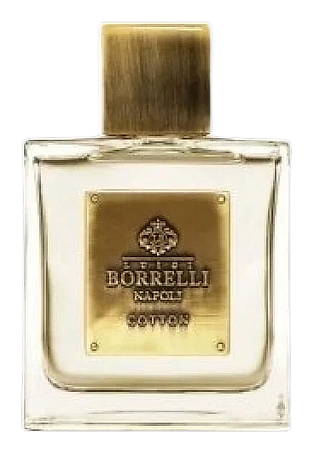
    Cotton by Luigi Borrelli
    Best Seller
    4.0

    Cotton

    Cashmere by Luigi Borrelli
    Best Seller
    4.2

    Cashmere

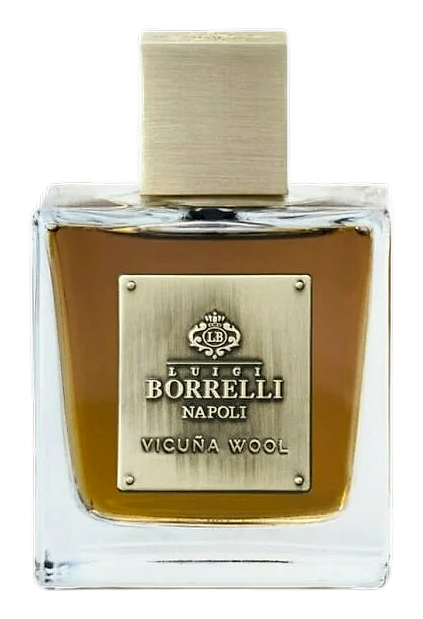
    Vicuña Wool by Luigi Borrelli
    Best Seller
    4.1

    Vicuña Wool

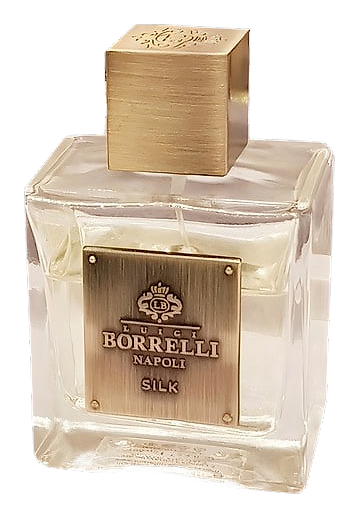
    Silk by Luigi Borrelli
    4.0

    Silk

    Bleu Royal by Luigi Borrelli

    Bleu Royal

    Luxury Vintage ''57'' by Luigi Borrelli

    Luxury Vintage ''57''

    The Heritage

    The Story of Luigi Borrelli

    Luigi Borrelli began as a Neapolitan tailoring house and now offers a line of niche fragrances that echo the brand’s sartorial roots. The collection translates the feel of fine fabrics—cashmere, cotton, vicuña wool, silk—into scented compositions that appeal to men who value quiet confidence. Each scent is presented in a sleek bottle that mirrors the clean lines of a well‑cut suit, reinforcing the brand’s reputation for understated elegance.

    Heritage

    Anna Borrelli taught her son the art of hand‑sewing in a modest workshop in Naples around 1904. Luigi Borrelli absorbed the discipline of precise stitching and the respect for material that would later define his label. In 1957 Luigi opened his own atelier, naming the house after himself and committing to a philosophy of made‑to‑measure craftsmanship. The brand quickly earned a reputation among Italy’s elite for shirts, jackets and trousers that combined traditional Neapolitan flair with modern tailoring techniques. By the 1990s Luigi Borrelli expanded beyond clothing, opening flagship stores in Milan and New York and introducing a ready‑to‑wear line that retained the same attention to cut and fabric. The fragrance division launched in 2013 with Bleu Royal, a fresh aromatic that referenced the brand’s nautical heritage. Subsequent releases—Cashmere, Cotton, Vicuña Wool (all 2016), Luxury Vintage ’57 (2016) and Silk (2019)—drawn from the textures of the label’s textile archives, marked a deliberate move to translate tactile experiences into olfactory ones. The house remains family‑run, with Luigi’s descendants overseeing both the garment and scent portfolios, ensuring that each new product stays true to the original workshop’s standards.

    Craftsmanship

    The fragrance team follows a production model that mirrors the atelier’s workshop. Raw materials arrive in small batches, allowing the house to test each component for purity before blending. For Cashmere, the formula incorporates white musk and soft woods that mimic the warmth of the textile; Cotton relies on fresh green notes and light aldehydes to suggest crispness. The house works with independent perfumers who receive detailed briefs that include fabric swatches and technical drawings, ensuring that the olfactory outcome aligns with the visual and tactile reference. Ingredients such as natural sandalwood, ethically sourced ambergris substitutes, and responsibly harvested vetiver are chosen for both quality and traceability. Blending occurs in a controlled environment where temperature and humidity are monitored to preserve the integrity of volatile compounds. After blending, each batch undergoes a stability test that runs for twelve months, confirming that the scent retains its character over time. Final bottling takes place in a facility that uses hand‑filled glass vessels, each inspected for imperfections before sealing. The result is a product that reflects the same meticulous attention to detail found in a hand‑stitched jacket.

    Design Language

    Luigi Borrelli’s visual language borrows from the clean geometry of a classic suit. Bottles feature a rectangular silhouette with a brushed metal cap that resembles a cufflink, reinforcing the connection to menswear. The label employs a serif typeface reminiscent of tailoring shop signage, set against a matte black background that conveys depth without flash. Color palettes are restrained: deep navy for Bleu Royal, soft ivory for Cotton, and warm taupe for Cashmere, each echoing the hue of the fabric that inspired the scent. Store interiors showcase dark wood panels, leather seating and subtle lighting that highlights the bottles as if they were accessories on a display rack. Marketing imagery often pairs the fragrance with a model wearing a tailored outfit, underscoring the idea that scent completes a look. The brand’s website continues this aesthetic, using ample white space, high‑resolution close‑ups of fabric textures, and minimal copy that lets the product speak for itself.

    Philosophy

    Luigi Borrelli treats fragrance as an extension of tailoring. The brand believes that scent, like a well‑cut lapel, should fit the wearer’s personality without shouting for attention. It selects raw materials that echo the tactile qualities of its fabrics—soft cashmere, crisp cotton, supple vicuña wool—and pairs them with notes that evoke the same sense of refinement. The creative process starts with a story drawn from the house’s archives; a designer may reference a 1950s suit lining or a 1920s Neapolitan shirt, then works with a perfumer to capture that narrative in scent. Sustainability informs the philosophy as well: the brand sources ingredients from farms that practice responsible harvesting and supports initiatives that protect biodiversity. Transparency guides communication, so each fragrance label lists the primary accords and the inspiration behind the name. This approach positions scent as a quiet accessory, meant to complement, not dominate, the wearer’s overall presentation.

    Key Milestones

    1904

    Anna Borrelli begins hand‑sewing in Naples, laying the groundwork for the family’s tailoring tradition.

    1957

    Luigi Borrelli opens his own atelier, establishing the Luigi Borrelli brand and focusing on made‑to‑measure menswear.

    2013

    The house launches its first fragrance, Bleu Royal, marking the entry into perfumery.

    2016

    Three new scents—Cashmere, Cotton, Vicuña Wool—are released, each inspired by a specific fabric from the brand’s archives.

    2019

    Silk joins the collection, completing the line that translates the house’s textile heritage into scent.

    At a Glance

    Brand profile snapshot

    Origin

    Italy

    Founded

    1957

    Heritage

    69

    Years active

    Collection

    1

    Fragrances released

    Avg Rating

    4.0

    Community sentiment

    Release Rhythm

    2019
    1
    2016
    4
    2013
    1
    luigiborrelli.com

    Did You Know?

    Interesting Facts

    Distinctive details and defining moments that shape the house personality.

    01

    The fragrance names directly reference the fabrics used in the brand’s clothing lines, a rare practice in the perfume industry.

    02

    Luigi Borrelli still produces a limited number of hand‑stitched shirts each year, a tradition that began in the original workshop.

    03

    The bottle caps are manufactured from recycled metal sourced from Italian tailoring equipment, linking the product to its sartorial roots.

    04

    Each fragrance batch is tested for twelve months before release, a timeline longer than the industry average.