





Heritage
A house, in its own words
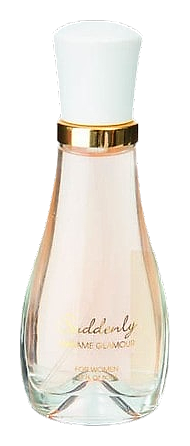
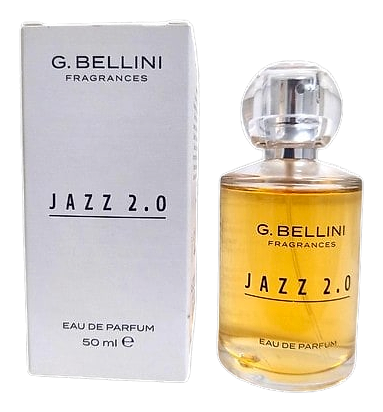
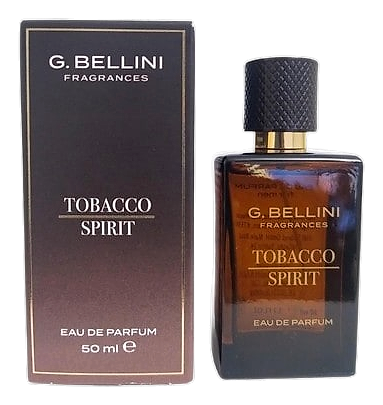
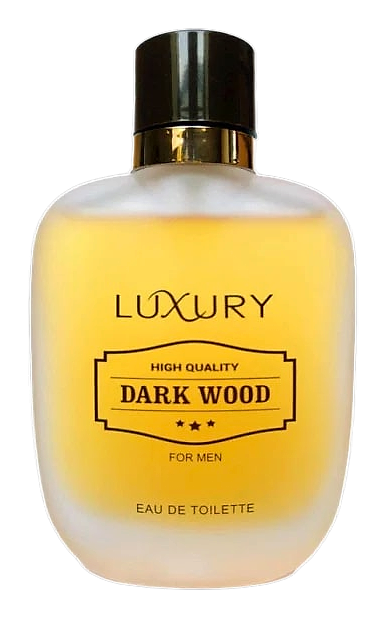
Lidl, founded in 1932 by Josef Schwarz in Neckarsulm, Germany, began as a small grocery store before growing into one of Europe's largest supermarket chains. The company's fragrance program emerged organically as part of its broader strategy to offer premium-adjacent products at discounted prices. Unlike traditional perfume houses with centuries of history, Lidl's scented offerings reflect the brand's identity as a disruptive force in retail, democratizing access to fragrance experiences. The supermarket entered the perfume market by creating interpretations of popular designer scents, a strategy that has drawn both praise for affordability and criticism for inspiration sources. Reddit discussions among fragrance enthusiasts suggest Lidl's approach began with releases like X-Bolt, described as an alternative to Hugo Boss Bottled. The February 2025 launch of Eau de Croissant represented a creative evolution, marking the brand's first foray into conceptual perfumery rather than direct inspiration from existing designer fragrances. This shift demonstrated Lidl's willingness to experiment with storytelling and narrative in its fragrance line, partnering with recognized independent perfumers rather than relying solely on internal development. Lidl's fragrance philosophy centers on accessibility and surprise. The supermarket chain approaches perfumery as an extension of its core retail identity, offering products that challenge price expectations in the fragrance industry. By partnering with established perfumers like Sarah McCartney for special projects, Lidl signals ambition beyond simple dupe culture. The croissant-inspired fragrance development involved McCartney, described in press coverage as the "Fairy Godmother of UK Perfumery," suggesting the brand seeks creative credibility alongside commercial viability. Lidl's approach treats fragrance as an entry point rather than an exclusive experience, allowing customers who might never visit a Sephora or department store fragrance counter to engage with scent as part of their routine shopping. The brand appears to value novelty and conversation-starting releases over a consistent catalog, with the Eau de Croissant launch generating viral discussion about what a Munich-inspired fragrance might smell like.