
Heritage
A house, in its own words
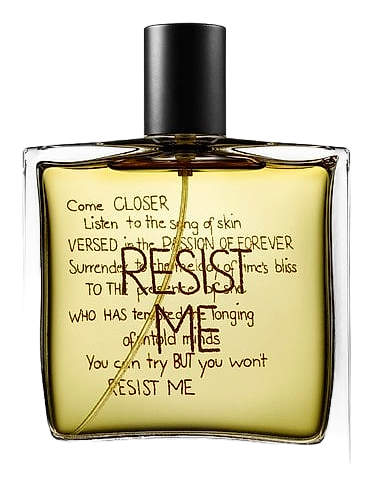
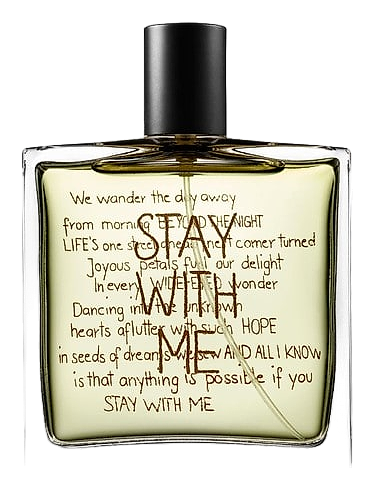
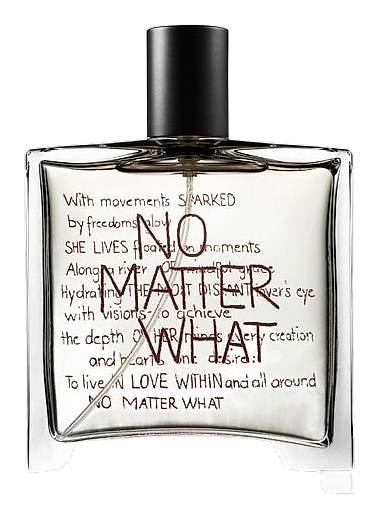
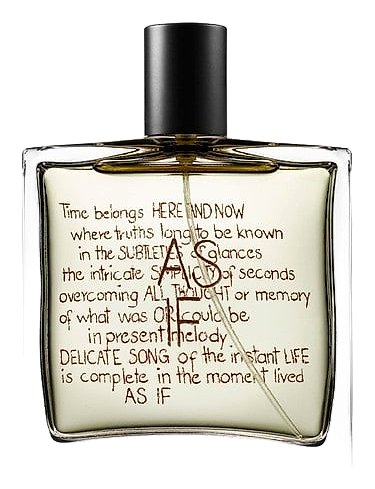
The company emerged in 2012 in New York City, founded by a small team of fragrance enthusiasts who sought to create a platform for independent perfumers to reach a discerning audience. Early press coverage notes that the founders, whose names are not widely publicized, built the label around a philosophy of collaboration rather than a single signature nose. By 2013 the house released its first four scents—“I Dare You”, “Stay With Me”, “No Matter What”, and “Resist Me”—all of which were developed in partnership with established perfumers in France. The rapid rollout demonstrated a commitment to rapid yet thoughtful production, a rarity among niche houses that often stagger releases over several years. In 2016 the brand added “As If” to its lineup, marking a shift toward more abstract storytelling. Throughout its first decade, Liaison de Parfum maintained a low‑profile distribution model, focusing on direct‑to‑consumer sales through its website and selective boutique placements in major cities such as Paris, London, and Tokyo. The label’s modest scale has allowed it to retain control over formulation, packaging, and marketing, fostering a consistent voice that resonates with a community of scent collectors. While the brand has not pursued high‑visibility awards, it has been featured in independent fragrance publications for its clear narrative approach and for championing emerging perfumers. As of 2024, Liaison de Parfum continues to operate from its New York headquarters, releasing limited‑edition drops that often coincide with cultural moments or artistic collaborations, reinforcing its identity as a conduit between scent and story. Liaison de Parfum frames each fragrance as a conversational piece, encouraging wearers to engage with scent as a form of personal expression. The brand’s creative brief emphasizes narrative clarity: a perfume should convey a single, relatable emotion or scenario without relying on abstract or overly complex accords. This focus on storytelling stems from the founders’ belief that fragrance can act as a bridge between private feeling and public presentation. The label also prioritizes accessibility, offering its scents at price points that sit below many luxury houses while preserving ingredient quality. Sustainability informs the brand’s values; sourcing decisions favor suppliers that demonstrate responsible harvesting practices, particularly for natural extracts such as bergamot and sandalwood. Transparency is another cornerstone: product pages routinely list the percentage of natural versus synthetic components, and the brand publishes brief notes on the inspiration behind each launch. By aligning olfactory design with clear, human‑centred narratives, Liaison de Parfum seeks to demystify perfume and make it an everyday companion rather than a distant luxury.