
    Home/Brands/Le Petit Prince

    Le Petit Prince

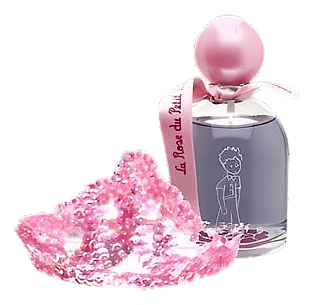
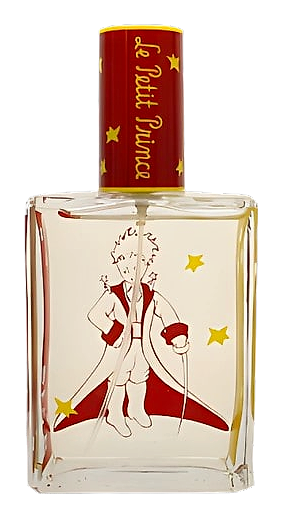
    Le Petit Prince fragrances draw inspiration from Antoine de Saint-Exupéry's beloved novella, one of the most widely translated and read books in the world since its publication in 1943. The fragrance collection centers on themes from the story, including the Little Prince's home asteroid B-612 and his journey through the cosmos. The core collection features multiple interpretations, including La Rose du Petit Prince, which references the prince's beloved rose, and Le Petit Prince B612, directly named for his celestial origin. These fragrances blend citrus, woody, and aromatic notes to evoke the whimsical yet philosophical spirit of the source material.

    France
    Shop the collection

    Most loved

    Bestsellers from Le Petit Prince

    Coming soonLe Petit Prince by Le Petit Prince
    Le Petit Prince
    Le Petit Prince
    4.5
    Coming soon
    Coming soonLa Rose du Petit Prince by Le Petit Prince
    Le Petit Prince
    La Rose du Petit Prince
    4.3
    Coming soon
    Coming soonLe Petit Prince B612 by Le Petit Prince
    Le Petit Prince
    Le Petit Prince B612
    4.2
    Coming soon

    Fresh in

    New from the house

    Coming soonLe Petit Prince by Le Petit Prince
    Le Petit Prince
    Le Petit Prince
    4.5
    Coming soon
    Coming soonLa Rose du Petit Prince by Le Petit Prince
    Le Petit Prince
    La Rose du Petit Prince
    4.3
    Coming soon
    Coming soonLe Petit Prince B612 by Le Petit Prince
    Le Petit Prince
    Le Petit Prince B612
    4.2
    Coming soon

    Heritage

    A house, in its own words

    The fragrance collection traces its heritage to Saint-Exupéry's novella, which was first published in English and French in the United States by Reynal & Hitchcock in April 1943. The book appeared posthumously in France, following Saint-Exupéry's disappearance during a reconnaissance flight over the Mediterranean in 1944. The novella has since been translated into hundreds of languages and dialects, becoming a fixture of world literature. The character of the Little Prince inhabits Asteroid B-612, which the story describes as being first identified by a Turkish astronomer. This fictional asteroid became a symbol within the narrative for the prince's origins and his attachment to his home planet. The fragrance line repurposes these literary elements as olfactory interpretations, attempting to capture the essence of the prince's world through scent composition. The collection emerged around 2000, joining a tradition of artistic adaptations that have brought the novella into various creative mediums. The philosophy behind these fragrances centers on translating literary narrative into sensory experience. The creators seek to capture the emotional territory of Saint-Exupéry's story rather than simply evoking its surface imagery. The Little Prince's journey across planets, his encounter with the fox who teaches him about taming and attachment, and his devotion to a single rose all inform the aromatic choices in the collection. Each fragrance variant explores a different facet of the narrative, from the nurturing quality of the rose to the celestial purity of Asteroid B-612. The philosophy suggests that fragrance, like literature, can communicate truths that resist direct articulation. The woody and citrus elements work in concert to balance warmth with clarity, reflecting the novella's blend of childlike wonder and philosophical depth.

    1943
    The Little Prince novella first published in English and French by Reynal & Hitchcock in the United States
    1944
    Antoine de Saint-Exupéry disappears during a reconnaissance flight over the Mediterranean
    2000
    Le Petit Prince fragrance collection launched, including Le Petit Prince, La Rose du Petit Prince, and Le Petit Prince B612
    2006
    Additional Le Petit Prince fragrance variants introduced, described as women's woody perfume

    Did you know?

    Interesting facts

    01

    The Little Prince has been translated into more than 300 languages and dialects, making it one of the most translated works in human history.

    02

    Saint-Exupéry's own face appears in the novella's illustrations, as he modeled the little prince on himself as a child.

    03

    Asteroid B-612 was officially recognized by the International Astronomical Union and is sometimes referenced in astronomy education.

    04

    The story's Turkish astronomer character was based on an actual 1909 discovery by Turkish astronomer Aziz Sassi, whose identification of an asteroid went unrecognized at the time.