Heritage
A house, in its own words
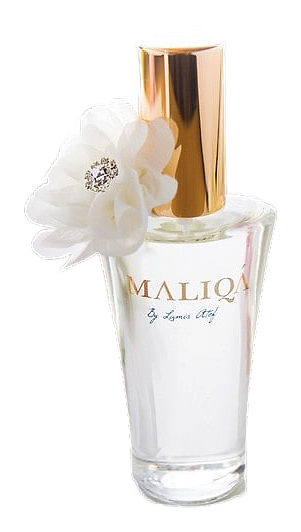
Lamis Atef appears to be an independent fragrance business named for its founder, but the available research does not establish a reliable founding date, headquarters, or a long sequence of milestones. The house is most closely associated with Maliqá, a perfume released in 2015. The fragrance takes its name from an ancient Egyptian queen and was conceived as a tribute to her perceived elegance, strength, sensuality, and fearlessness. That historical frame gives the brand a recognizable creative premise: rather than building its identity around a generic lifestyle, it places perfume within a specific evocation of royal Egyptian history. Fragrance listings also associate the name with a quality since 1975, although the supporting page does not explain whether that date marks the beginning of the business, the founder's involvement in perfumery, or another part of the house's history. Because this claim is not independently corroborated, it should be treated cautiously. The documented milestone is the 2015 release of Maliqá, which remains the principal fragrance attributed to Lamis Atef in public fragrance databases. Research returned little verified information about later releases, collaborations, manufacturing partners, or market expansion. The brand's heritage therefore rests on a concise but coherent idea, a founder-led name and a single historically inspired fragrance with a warm gourmand character. Lamis Atef's creative direction is clearest in Maliqá, where historical storytelling is translated into an approachable gourmand perfume. The name refers to an ancient Egyptian queen, and the launch description portrays her as sensual, fierce, and fearless. Those qualities are presented through warmth and richness rather than a cool, restrained, or conventionally floral expression of royalty. One independent fragrance note describes Maliqá as a mixture of Jamaican rum cake and sticky toffee, suggesting that baked sweetness, spice, and dark gourmand notes form the scent's core identity. This approach makes history tactile. Instead of relying only on symbolic packaging or antiquarian imagery, the fragrance appears to embody the subject through scent and mood. The available material does not identify the perfumer, disclose the brief, or explain the house's wider creative process, so it would be speculative to claim a formal philosophy of natural ingredients, artistic freedom, or craftsmanship. What can be said is that the brand's documented idea joins a named historical figure to a bold, enveloping sweet profile. Maliqá's positioning also demonstrates a preference for personality and narrative in fragrance naming, with the perfume carrying the full story rather than presenting itself as an anonymous product.