
Heritage
A house, in its own words
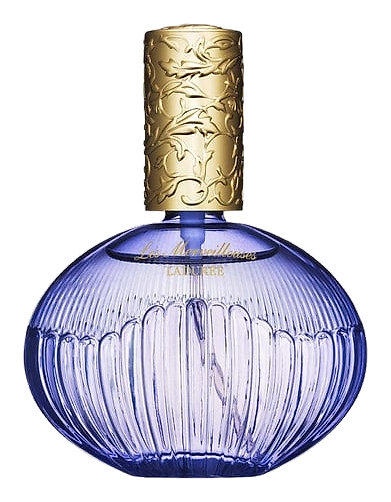
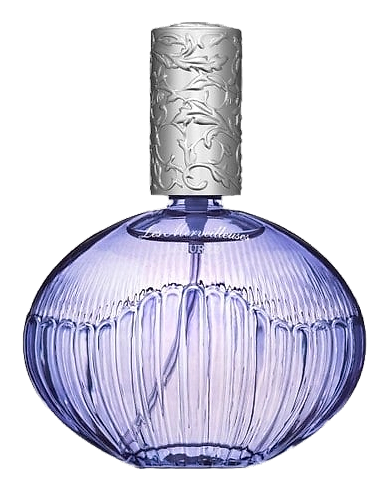
The story of Ladurée begins in 1862 when Louis Ernest Ladurée, a native of southwest France, established a bakery at 16 rue Royale in Paris. This address in the prestigious first arrondissement became the foundation of what would grow into an international luxury house. Louis Ernest Ladurée ran the business until his death in 1887. Following his passing, his widow Marie-Anne Blanc took over operations and made a transformative decision. She converted the bakery into a pastry shop, introducing the delicate macaron that would eventually become synonymous with the Ladurée name. The exact origins of the macaron itself are debated, with competing claims from other French houses, but Ladurée's version of the almond-based confection with a smooth top and ruffled foot became the most celebrated. In 1933, Louis Ernest's descendant Pierre Despropers expanded the business significantly, opening new locations including a notable boutique on the Champs-Élysées. The house continued growing through the 20th century, extending to international markets with establishments in cities such as London and Tokyo. By the early 2020s, the company operated approximately 129 stores across 27 countries, according to available sources. In 2018, Ladurée launched its Les Merveilleuses fragrance collection, marking the house's entry into perfumery. This expansion into beauty products represented a natural evolution for a brand built on sensory indulgence and French elegance. Ladurée approaches creation as an art of sensory pleasure and refined indulgence. The house believes that moments of beauty, whether experienced through a delicate pastry or a fragrance, should be savored slowly and appreciated fully. This philosophy extends from the Parisian tea salon tradition, where elaborate treats and aromatic atmospheres created spaces for conversation and relaxation. The Les Merveilleuses fragrance collection embodies this philosophy by translating the aromatic world of Ladurée's confections into wearable scents. The perfumes draw from the same sensory vocabulary of sweetness, warmth, and elegance that defines the pastry experience. The house emphasizes craftsmanship and attention to detail in all its creations, viewing each product as an opportunity to create small moments of happiness for its customers. The aesthetic sensibility draws from French elegance, particularly the decorative traditions of the 18th and 19th centuries when French design reached new heights of ornamentation and refinement.