


Heritage
A house, in its own words
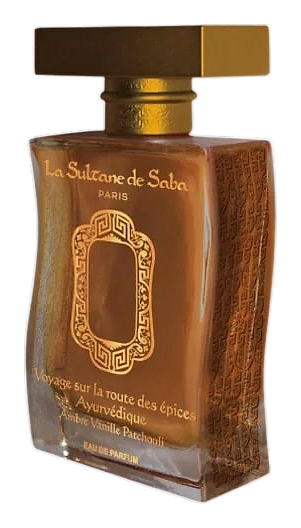
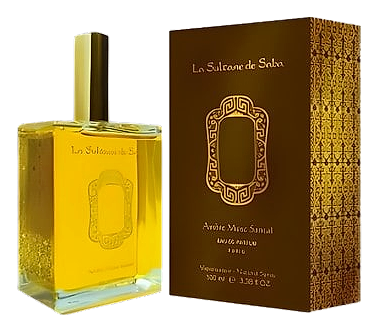
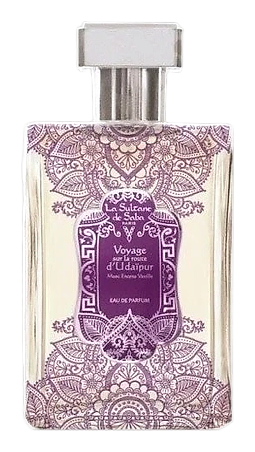
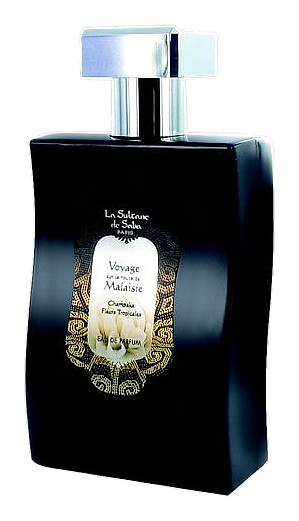
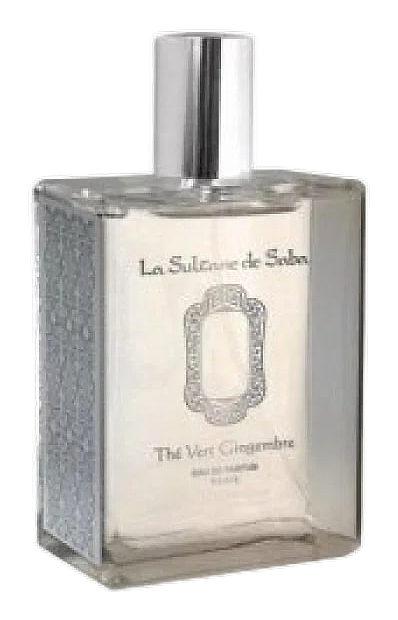
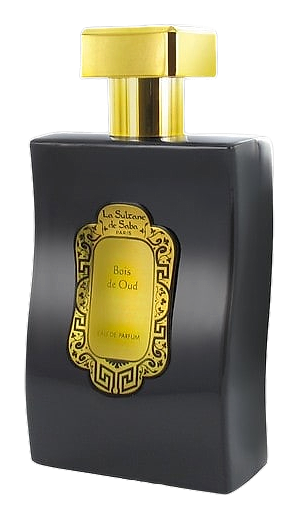
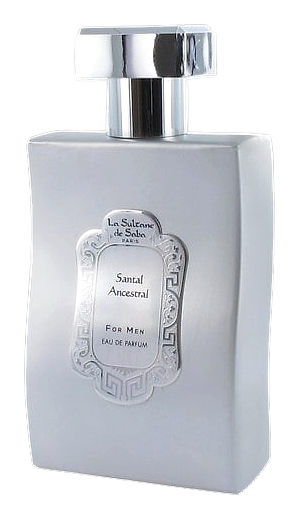
Vanessa Sitbon opened La Sultane de Saba in 1998 after a visit to a traditional hammam in Fez, Morocco. She reported that the warm stone walls and rising steam revealed a hidden archive of scent recipes passed from mother to daughter for generations. The brand’s name references the legendary Queen of Sheba, a figure associated with exotic perfume ingredients and courtly elegance. Early collections focused on recreating the aromatic profile of historic Eastern rituals, using ingredients such as orange blossom, amber, sandalwood and oud. In 2011 the house released a trio – Ambre, Musc and Santal – that marked its first foray into a more structured, layered approach. The following year saw the launch of The Vert Gingembre, a bright, ginger‑infused composition that highlighted the brand’s willingness to blend spice with green notes. 2013 introduced Bois de Oud, a single‑note homage to the resin that has defined Middle Eastern perfumery for centuries. The 2014 Voyage sur la route des Épices expanded the line with a narrative of spice‑laden caravans, while 2015’s Fleur d'Oranger celebrated the citrus bloom that perfumes the Mediterranean coast. In 2016 the house completed its “Voyage” series with Voyage Sur La Route d'Udaipur, a scent inspired by the Indian city’s marble palaces and fragrant gardens. Throughout its history La Sultane de Saba has remained a niche house, distributing through select boutiques and online platforms that cater to fragrance connoisseurs. The brand views scent as a living archive of cultural memory. Its creative vision rests on three pillars: authenticity, narrative and tactile composition. Authenticity means sourcing ingredients that echo historic formulas, whether that is raw ambergris, sustainably harvested oud or hand‑picked orange blossoms. Narrative drives each launch; the house frames every perfume as a travelogue, inviting the wearer to step into a specific time and place. Tactile composition reflects the belief that fragrance should be felt as much as it is smelled, using texture‑rich accords that evolve on the skin. La Sultane de Saba also values transparency. The house publishes ingredient lists and, when possible, the geographic origin of each key note. This practice aligns with a broader industry shift toward traceability and ethical sourcing. By marrying historic inspiration with modern standards, the brand seeks to keep ancient rituals alive without compromising contemporary responsibility.