Heritage
A house, in its own words
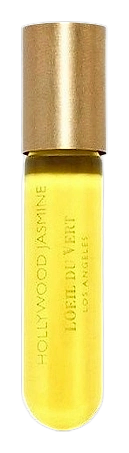
Haley Alexander van Oosten launched L'Oeil du Vert in 2005 after years of work in both the perfume industry and independent scent research. Based in Los Angeles, the studio grew out of a desire to reconnect contemporary perfumery with the alchemical practices of early fragrance making, a theme van Oosten references in interviews where she describes working with an alembic in her own laboratory. The early years were marked by experimental distillations of locally sourced botanicals, a practice that set the studio apart from larger houses that rely on pre‑extracted aroma chemicals. In 2016, L'Oeil du Vert introduced Hollywood Jasmine, a fragrance that quickly garnered attention for its clear, unadorned jasmine note and its ability to evoke the bright, sun‑lit atmosphere of Southern California. The launch was covered by niche fragrance blogs and highlighted the studio’s commitment to clarity and purity. A 2020 feature in the Los Angeles Times praised the brand’s use of raw natural materials, noting that its approach challenges conventional notions of what a modern perfume can be. Over the ensuing years, L'Oeil du Vert has remained a small, studio‑centric operation, continuing to produce limited runs that emphasize artisanal technique, sustainable sourcing, and a philosophy that treats scent as an experiential art form rather than a commercial product. The guiding idea at L'Oeil du Vert is to facilitate transformational scent experiences through direct contact with nature. Van Oosten describes the studio’s intention as “artful contact with nature,” a phrase that underscores a belief that fragrance should be encountered physically, not merely imagined. This perspective informs every stage of creation: from selecting raw ingredients harvested at peak ripeness to the decision to distill in‑house rather than outsource. The brand rejects the notion of fragrance as a status symbol, instead framing each perfume as a sensory meditation. In interviews, van Oosten emphasizes the alchemical lineage of perfume, noting that the alembic distillation process connects contemporary practice with centuries‑old laboratory traditions. The studio’s creative vision also embraces transparency; ingredient lists are disclosed whenever possible, and the narrative of each scent is tied to a specific botanical story. By positioning scent as a bridge between the wearer and the natural world, L'Oeil du Vert seeks to cultivate mindfulness, encouraging users to pause and engage with the aroma as a moment of quiet reflection.