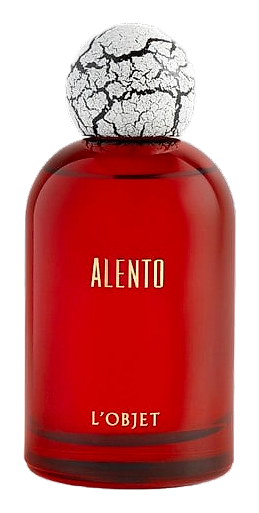
The Heritage
The Story of L'Objet
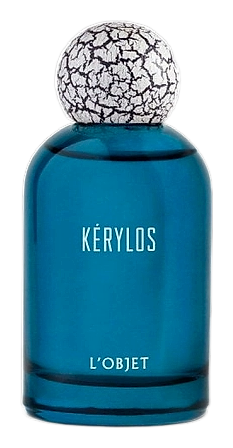
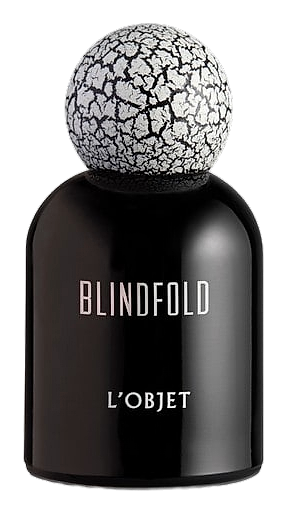
L'OBJET began in 2005 as a design studio in Los Angeles before expanding into fragrance. Founder Elad Yifrach wanted everyday objects to spark feeling and conversation. The brand now offers a curated line of scents, candles and décor that blend tactile design with olfactory craft. Recent releases such as Kérylos (2024) and Blindfold (2025) illustrate a steady growth from interior objects to a full fragrance universe that still feels rooted in the simple act of living well.
Heritage
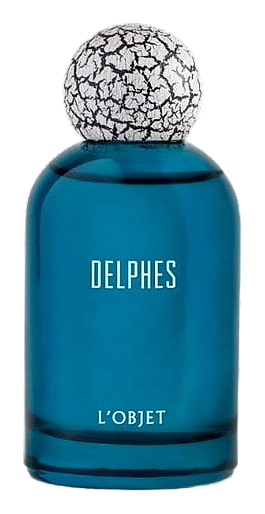
Elad Yifrach launched L'OBJET in 2005 after a career in design and retail. The first collections focused on glassware, lighting and furniture that emphasized materiality and quiet elegance. By 2010 the studio began experimenting with scented candles, using the same attention to texture that defined its objects. A turning point arrived in 2018 when the brand announced a dedicated fragrance line, partnering with established perfumers to translate its design philosophy into scent. In 2022 L'OBJET opened a permanent space in Harrods Beauty Hall, showcasing both objects and perfumes side by side, a move that signaled its acceptance by the broader fragrance community. The 20th anniversary in 2025 was marked by the launch of Blindfold Eau de Parfum, a unisex composition created with master perfumer Yann Vasnier, reinforcing the brand’s commitment to collaborative creation. In early 2026 the house introduced Delphes, a fragrance credited to master perfumer Jean‑Claude, further expanding its roster of contemporary scents. Throughout its two‑decade history the label has remained anchored in Los Angeles while gradually establishing a European presence, including a flagship boutique in Paris announced in 2024. Each milestone reflects a consistent thread: a desire to elevate the ordinary through thoughtful design and scent.
Craftsmanship
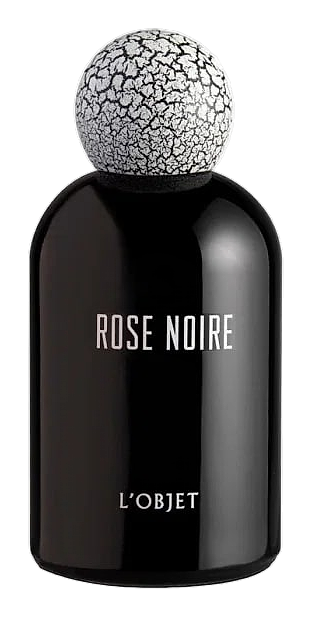
Production at L'OBJET follows a two‑stage process. First, the design team defines the tactile and visual language of a product, selecting materials that will age gracefully. For fragrances, the team then briefs a master perfumer, providing a brief that references the intended mood and material context. Ingredients are sourced from established European and North African suppliers known for consistent quality; for example, the rose absolute used in Rose Noire (2023) comes from Grasse growers with a documented harvest record. Once a formula is approved, L'OBJET contracts with a boutique laboratory in France to blend the perfume in small batches, allowing close monitoring of each step. The final liquid is filtered through stainless steel mesh to remove particulates, then decanted into hand‑blown glass vessels that echo the brand’s object line. Quality control includes blind scent panels that compare each batch against a reference sample, ensuring olfactory fidelity across production runs. Packaging materials are chosen for durability and recyclability; many bottles feature aluminum caps and recyclable glass, while candle containers are made from reclaimed porcelain. This blend of artisanal oversight and selective industrial partnership enables L'OBJET to maintain a consistent sensory signature across its expanding catalogue.
Design Language
Visually, L'OBJET favors clean lines, muted palettes and a restrained use of metal accents. Bottle designs often feature simple cylindrical or square silhouettes, with matte finishes that invite touch. The Blindfold Eau de Parfum, for instance, arrives in a brushed aluminum cap paired with a clear glass body, a nod to the brand’s emphasis on material honesty. Candle vessels echo the same language, using hand‑blown glass that catches light without overwhelming the scent. Graphic elements on packaging rely on sans‑serif typography and generous white space, reinforcing a sense of calm. In retail settings, the brand arranges objects and perfumes side by side, allowing the visual weight of a sculpture to complement the invisible presence of a fragrance. The Paris flagship, slated for opening in 2024, is expected to showcase this dialogue through modular displays that can be reconfigured, reflecting the brand’s belief that design should adapt to the lived environment rather than dictate it.
Philosophy
L'OBJET treats scent as an extension of material experience. Elad Yifrach often speaks about the value of materiality, noting that a well‑crafted object and a well‑balanced perfume both invite the user to pause and notice. The brand’s creative vision centers on everyday rituals, aiming to turn a simple moment—lighting a candle, opening a drawer—into a sensory pause. Collaboration sits at the heart of this approach; L'OBJET works with master perfumers such as Yann Vasnier and Jean‑Claude to ensure each fragrance respects the same standards of balance and clarity applied to its objects. The company also prioritizes sustainability, selecting ingredients that can be traced to responsible growers and limiting waste through refillable packaging where possible. By aligning design, scent and ethical sourcing, L'OBJET seeks to create a cohesive atmosphere that feels both intimate and considered.
Key Milestones
2005
L'OBJET founded by Elad Yifrach in Los Angeles as a design studio.
2010
First scented candle collection released, extending the brand’s material focus to aroma.
2018
Official fragrance line announced, partnering with established perfumers for scent development.
2022
Permanent showcase opened in Harrods Beauty Hall, London, featuring both objects and perfumes.
2025
Blindfold Eau de Parfum launched for the 20th anniversary, created with master perfumer Yann Vasnier.
2026
Delphes released, credited to master perfumer Jean‑Claude, expanding the contemporary scent portfolio.
At a Glance
Brand profile snapshot
Origin
United States
Founded
2005
Heritage
21
Years active
Collection
1
Fragrances released
Avg Rating
4.4
Community sentiment
Release Rhythm


