Heritage
A house, in its own words
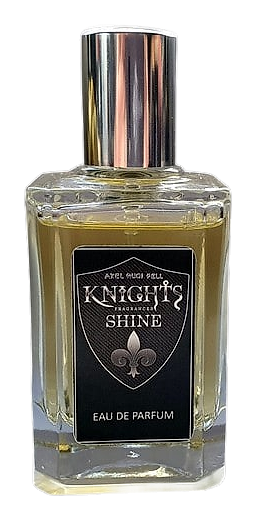
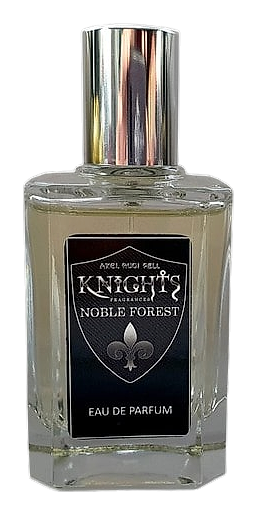
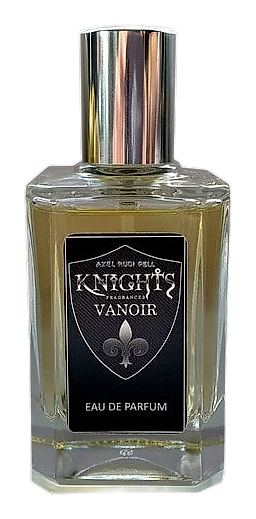
The documented history of KNIGHTS Fragrances begins with its three known releases in 2022. Noble Forest, Shine, and Vanoir were all introduced that year, giving the label a notably concentrated debut rather than a long public catalogue in the available record. No earlier company history, founder biography, first perfume, or line of business has been verified for KNIGHTS Fragrances in the supplied research. The name KNIGHTS does not provide enough evidence to connect the brand to the House of Creed, founded by James Henry Creed on Conduit Street in London in 1760, or to the House of Houbigant, which traces its history to 1775. Nor does the material establish any relationship with BDK Parfums, the independent Parisian house founded by David Benedek. Those references are useful as fragrance-history context, but attributing their longevity, place, or authorship to KNIGHTS would be inaccurate. KNIGHTS presents a separate and much shorter history. Its clearest milestone is the 2022 launch of three fragrances whose names immediately establish an expressive vocabulary: Noble Forest for a green, aromatic register, Shine for luminosity, and Vanoir for a darker, warmly sensual register. The research does not identify the first market in which the fragrances appeared, the perfumer behind each composition, or whether the three were developed together as an opening collection. That limited record leaves the brand's heritage intentionally compact. The verifiable story is one of a focused debut, with three named scents arriving within the same year and a clear emphasis on atmosphere. KNIGHTS Fragrances appears to frame perfumery through mood and imagination rather than through overt narrative or inherited house mythology. Its three known titles, Noble Forest, Shine, and Vanoir, use evocative names that invite wearers to imagine texture, light, terrain, and character before they encounter the notes. Noble Forest points toward nature, Shine suggests brightness and polish, while Vanoir carries a more nocturnal and intimate association. This naming system gives the debut collection a coherent range without requiring a shared story. The supplied research does not name a creative director or perfumer, so the philosophy cannot be attributed to a specific person with confidence. It also contains no verified statement about artistic training, signature techniques, or an independent house code. What can be observed is the choice of language itself. The names are brief, recognisable, and suggestive of personal impressions rather than literal descriptions of ingredients. That approach places the wearer at the centre of interpretation. Each fragrance becomes a point of reference for a mood, while its details remain open to individual experience. The brand's short history also supports this reading. KNIGHTS did not arrive with a long institutional vocabulary in the available record. It introduced three distinct concepts in one year and used their names to establish an identity. Whether this reflects a deliberate strategy or the natural language of the collection cannot be confirmed, but the result is clear: KNIGHTS communicates through atmosphere, with three fragrances that cover contrasting registers of woody, radiant, and dark character.