Heritage
A house, in its own words
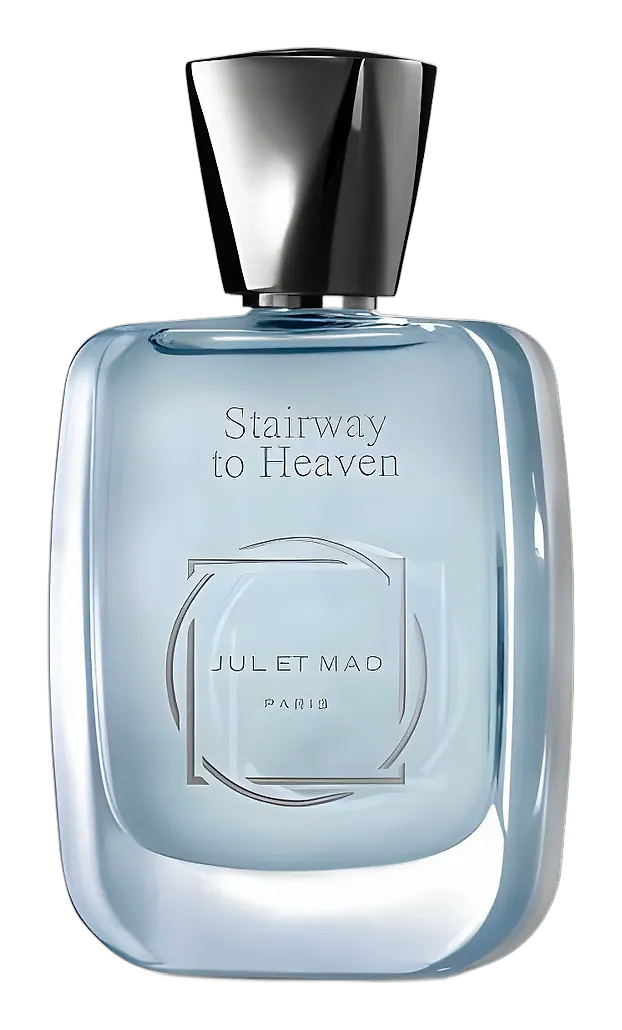
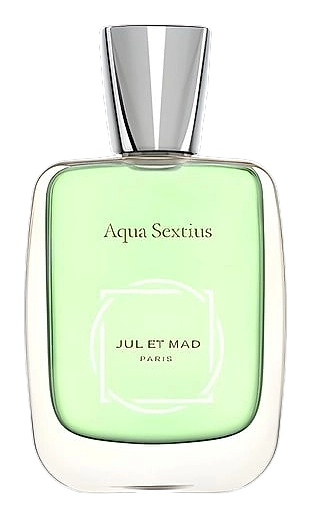
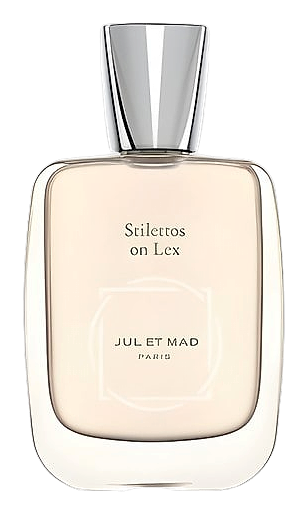
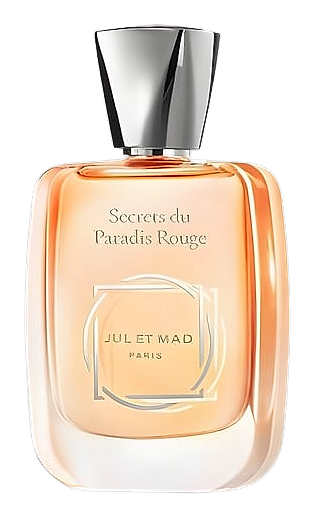
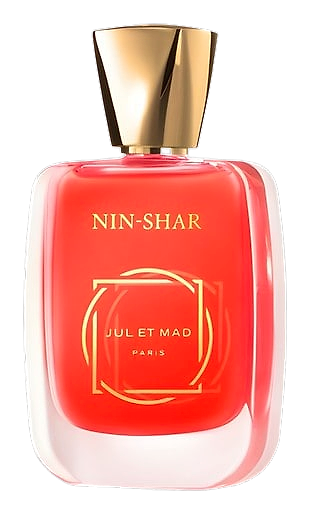
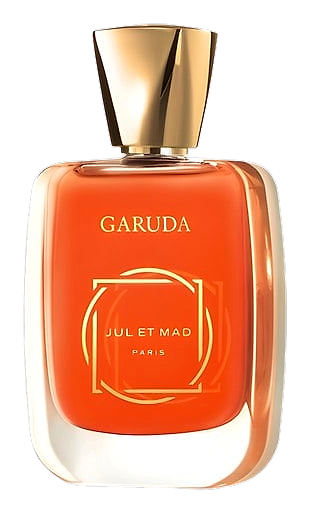
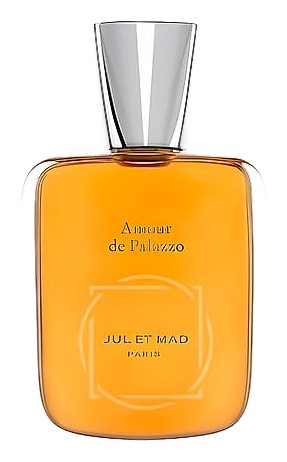
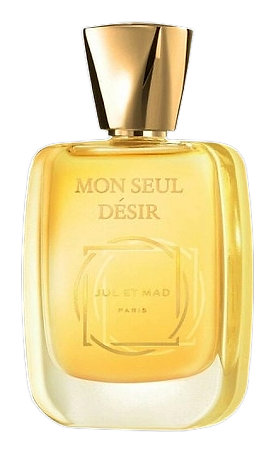
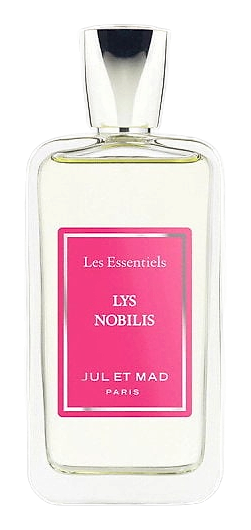
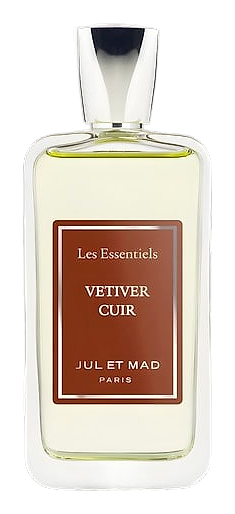
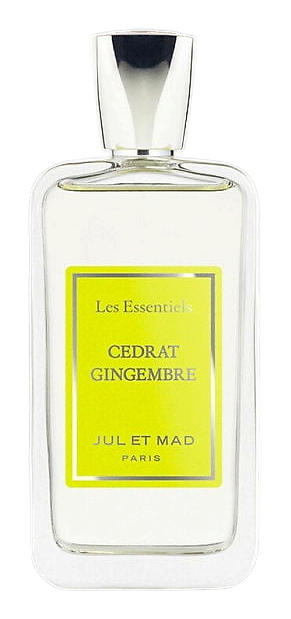
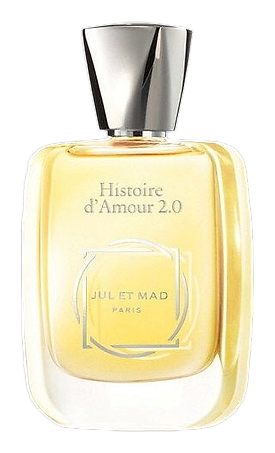
The origins of Jul et Mad Paris trace back to a chance encounter in 2004 at a café in the 5th arrondissement of Paris, where Madalina Stoica, a Romanian businesswoman, met Jules Blanchard, a French entrepreneur. Their conversation quickly turned personal, and the couple’s shared fascination with fragrance sparked the idea of creating their own house. In 2011 Madalina announced her intention to found a fragrance brand, and by the following year the duo formalised Jul et Mad Paris in the heart of Paris. The inaugural launch featured Amour de Palazzo and Stilettos on Lex, both released in 2012 and praised for their clear compositional intent. Early success encouraged the house to expand its palette, introducing Aqua Sextius in 2014, a marine‑inspired scent that highlighted the brand’s willingness to explore diverse olfactory territories. 2015 saw the arrival of Garuda and Néa, two fragrances that combined exotic woods with subtle spice, reinforcing the founders’ commitment to narrative depth. Mon Seul Desir (2017) marked a turning point, as the scent’s nuanced amber accord attracted attention from niche retailers across Europe. The brand continued to evolve with Secrets du Paradis Rouge (2016) and Nin‑Shar (2015), each adding a new chapter to its growing catalogue. In 2022 Jul et Mad Paris released Lys Nobilis, a modern take on the classic lily motif, demonstrating the house’s ability to reinterpret timeless notes for contemporary audiences. Throughout its history, the brand has maintained a direct‑to‑consumer model, leveraging online platforms and selective boutique placements to reach collectors worldwide. By 2024 the house celebrated over a decade of continuous creation, with a portfolio that now spans more than a dozen distinct fragrances, each bearing the imprint of the founders’ shared vision. Jul et Mad Paris builds each fragrance around a personal narrative, treating scent as a medium for storytelling rather than mere decoration. The founders believe that a perfume should capture a moment, a feeling, or a place, and they translate those concepts into olfactory form through close collaboration with French perfumers. Their creative process begins with a written vignette—often a memory from a shared trip or a literary reference—which then guides the selection of raw materials. The house prioritises transparency in ingredient sourcing, favouring materials that can be traced to their origin, whether that be Bulgarian rose, Madagascan vanilla, or sustainably harvested sandalwood. Sustainability informs both the scent composition and the packaging, with the brand opting for recyclable glass and minimal printed embellishments. Jul et Mad Paris also values the intimacy of limited releases; most launches are produced in modest batches, allowing the creators to monitor quality closely and to preserve the scent’s intended character. This approach reflects a broader commitment to authenticity: the brand seeks to offer consumers a genuine emotional connection rather than a fleeting trend. By anchoring each perfume in a story and a set of carefully chosen ingredients, the house aims to create lasting olfactory memories that resonate long after the bottle is empty.