




Heritage
A house, in its own words
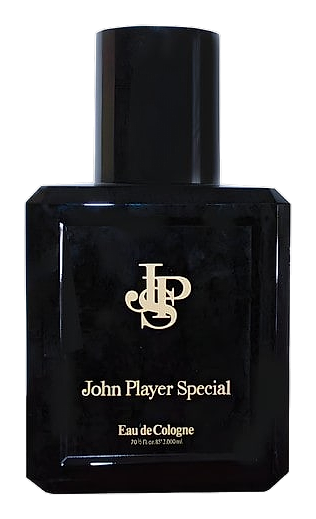
The name John Player Special is inseparable from one of the most recognizable liveries in motorsport history. John Player & Sons, a British tobacco firm founded in 1877 by John Player in Nottingham, built a brand identity so strong that its gold lettering on black became a cultural shorthand for a particular kind of rakish, mid-century cool. The cigarette brand bearing the JPS name sponsored Lotus in Formula 1 from 1968 onward, and the partnership produced some of the most photographed cars of the era, including the iconic Lotus 72 and the ground-effect Lotus 79. Drivers like Emerson Fittipaldi, Mario Andretti, Ronnie Peterson, and Ayrton Senna carried the colors to world championships. By the time the fragrance line appeared in 1984, the JPS aesthetic was already embedded in popular memory as a symbol of speed, risk, and understated luxury. The perfume house took that visual heritage and translated it into scent, launching with a single masculine fragrance that captured the warm, resinous mood associated with the brand's tobacco roots and racing pedigree. Later additions to the lineup, including Black and Silver, referenced the monochrome palette that defined both the cigarette pack design and the Lotus cars. The house has never publicized the identity of its perfumers, which has contributed to its cult status among collectors who appreciate the era it represents as much as the compositions themselves. John Player Special operates on a clear conceptual premise: fragrance as period artifact. Rather than chasing trends, the house draws from a defined visual and cultural era, the late 1970s through the mid-1980s, when Formula 1 cars wore sponsor liveries like haute couture and cigarettes carried the weight of adult mythology. That fixation on a specific moment gives the brand a curatorial quality. Each release functions as a small restoration of mood rather than an attempt to reinvent masculine fragrance. The lineup stays close to fougère, oriental, and aromatic spicy territory, genres that were dominant during the brand's formative years. By limiting the number of flankers and keeping the naming system straightforward, the house signals confidence in its concept. There is no need for elaborate storytelling when the brand's visual vocabulary is already loaded with meaning. The result is a niche house that feels more like a design studio with a perfume division than a traditional perfume maison, one where the brief comes first and the juice is built to match.