Heritage
A house, in its own words
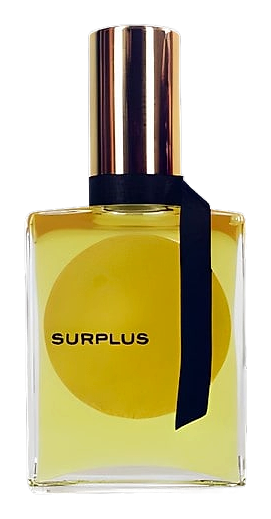
Jammie Nicholas established himself as a visual artist working in London before turning to perfumery as a medium for conceptual exploration. The Surplus project emerged from his broader artistic practice centered on the human body and its relationship to systems of value, production, and waste. Nicholas reportedly taught himself perfumery techniques, constructing his own refining equipment to produce the fragrance. This DIY approach stands in sharp contrast to the centuries-old traditions of established fragrance houses, positioning Surplus firmly within the lineage of conceptual art rather than commercial perfumery. The year of production appears in sources as either 2010 or 2011, with 2011 most commonly cited in coverage of the completed work. The fragrance formed one component of a larger body of work titled The Sun Is..., which explored themes of materiality and bodily production. Nicholas's background as a London artist situates him within a contemporary art context where fragrance serves as a medium for philosophical inquiry rather than commercial enterprise, drawing parallels to artists who have worked with unconventional materials across various mediums. Nicholas approaches fragrance as a vehicle for interrogating assumptions about the body, value, and aesthetic experience. By distilling elements from his own physical form, he creates an extreme form of autobiography rendered in scent, forcing wearers to confront the intimate relationship between person and perfume. The title Surplus carries ironic weight, suggesting excess, waste, and the byproducts of organic processes. This conceptual framing elevates the fragrance beyond mere olfactory product into a commentary on consumption and materiality. The artist's self-described status as a perfumer, rather than a formally trained nose trained through traditional apprenticeship, speaks to his interest in challenging professional boundaries and hierarchies of expertise. Nicholas's work suggests that anyone can become a perfumer given sufficient motivation and conceptual framework, democratizing access to an art form often shrouded in exclusivity and mystique. The project ultimately asks whether fragrance can function as critique, whether smell can carry meaning beyond pleasure or attraction, and what happens when the most intimate product of the body becomes a wearable accessory.