










Heritage
A house, in its own words
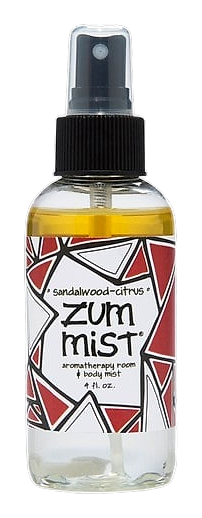
Indigo Wild began in 1996, when founder Emily Voth started making and selling goat's milk soap at local farmers' markets in Kansas City. According to the brand's own origin account, Voth had grown dissatisfied with her prior career, and a yoga instructor encouraged her to turn her hobby for handmade soap into a small business. What started as a market stall offering a single type of bar soap gradually grew into a full personal care company. Around 2001 the brand introduced the Zum Bar, a goat's milk based soap that would become its flagship product and the anchor of the wider Zum range. By the mid 2000s Indigo Wild had expanded from soap into body products, laundry soap, and scent sprays, building a catalog organized around essential oil scent profiles rather than conventional perfume naming conventions. The brand marked its 30th anniversary in 2026 with a promotional retrospective focused on the Zum line, a reminder that the company's identity has stayed closely tied to that original soap recipe. Indigo Wild remains family run and headquartered in Kansas City, where it continues to operate as an independent, founder-led company. Indigo Wild's creative approach to fragrance is shaped by its identity as a goat's milk soap maker first and a scent house second. Rather than composing fragrances in the traditional perfumery sense, with top, heart, and base accords designed around abstract olfactory themes, the brand builds its scent profiles from combinations of essential oils drawn from its soap and body care recipes. This means a Zum Mist is effectively a liquid expression of an existing Zum bar formula, a way to extend a personal care scent into room spray and linen mist territory. The result is a catalog that reads like an aromatherapy menu: Lavender, Lavender Lemon Patchouli, Lemongrass, Eucalyptus, Frankincense and Myrrh, Sandalwood Citrus, and so on. The brand also avoids the typical fine fragrance distinction between body products and home fragrance, treating scent as something that moves freely between skin, laundry, and living space. While Indigo Wild does not position itself as a perfumery house in the classical sense, the philosophy carries over a clear point of view: essential oils are the primary raw material, and the formulas are meant to be recognizable rather than mysterious.