

The Heritage
The Story of Inconscio Odori et Profumi
Inconscio Odori et Profumi presents a compact yet ambitious catalogue of contemporary scents, all released in 2025. The brand positions itself as a laboratory for bold olfactory experiments, drawing on Italian craft traditions while embracing modern compositional techniques. Its name, which translates to “unconscious scents,” hints at a desire to provoke memory and emotion through unexpected aromatic pairings.
Heritage
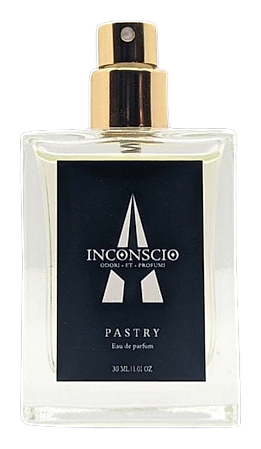
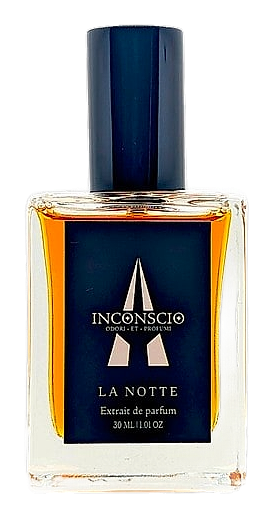
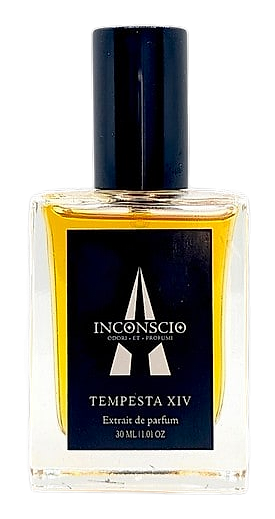
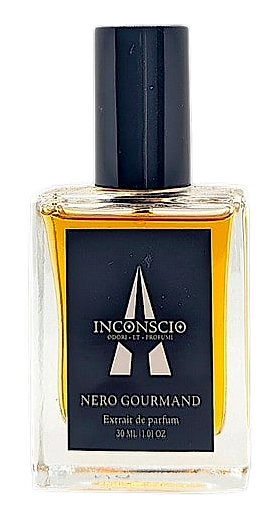
The public record on Inconscio Odori et Profumi is limited, but the brand appears to have emerged in the mid‑2020s, reportedly founded in 2024 in Milan, Italy. The founders – a small collective of former perfumery students and independent fragrance consultants – sought to create a label that could operate outside the constraints of large houses while still honoring Italy’s long‑standing perfume heritage. In 2025 the house launched its inaugural line, introducing six fragrances – La Vucciria, Nero Gourmand, Safe Word, L'Es, Pastry, Tempesta XIV and La Notte – each bearing a distinct narrative reference to Italian culture, culinary motifs, or nocturnal atmospheres. The launch was accompanied by a modest pop‑up in the Brera district, where the scents were presented alongside visual installations that emphasized scent as a storytelling medium. By 2026 the brand secured a modest production partnership with a historic Florentine laboratory known for its work with natural absolutes, allowing Inconscio to source high‑quality raw materials while maintaining small‑batch control. In 2027 the house announced a limited‑edition collaboration with a contemporary Italian ceramics studio, pairing its fragrances with hand‑blown glass bottles. The following year, Inconscio reported a shift toward greater sustainability, experimenting with reclaimed glass and biodegradable packaging. Though still a niche player, the brand’s trajectory reflects a deliberate balance between artistic risk and respect for the technical foundations of Italian perfumery.
Craftsmanship
Production takes place in a modest workshop that blends traditional Italian methods with contemporary laboratory equipment. Raw materials are sourced from a network of European growers, many of whom provide certifications for organic or biodynamic farming. For example, the citrus notes in La Vucciria are said to come from Sicilian orchards that practice integrated pest management, while the oud in Nero Gourmand reportedly originates from a small cooperative in the UAE that follows sustainable harvesting guidelines. The house employs a small team of trained perfumers who work in a shared studio, allowing ideas to cross‑pollinate. Each fragrance is assembled in batches of no more than 500 ml, a scale that enables close monitoring of maceration times and temperature control. Quality checks include gas‑chromatography analysis to verify the purity of key ingredients, as well as sensory panels that evaluate balance and longevity. Bottles are hand‑finished in a nearby glassworks, where artisans blow each vessel and apply a matte black lacquer that reflects the brand’s understated aesthetic. The packaging includes a recycled paper insert that details the scent’s narrative, ingredient origins, and suggested usage moments. In 2028 the house began testing biodegradable caps made from plant‑based polymers, aiming to replace conventional metal closures within two years.
Design Language
Visually, Inconscio favors a restrained palette of matte black, soft ivory and muted metallic accents. The logo, a simple sans‑serif wordmark with a subtle accent over the "i," appears on all touchpoints, reinforcing a sense of quiet confidence. Bottle shapes are cylindrical with gently rounded shoulders, echoing classic Italian apothecary vessels while avoiding excessive ornamentation. The black lacquer finish is punctuated by a thin brushed‑metal band that bears the fragrance name in raised lettering, creating a tactile contrast. Labels are printed on recycled cotton paper, using a minimalist layout that places the narrative description at the center, surrounded by a thin line drawing inspired by the scent’s theme – for instance, a stylized market stall for La Vucciria or a rain‑splattered window for La Notte. Store displays echo this aesthetic, featuring reclaimed wood shelves and soft, directional lighting that highlights the bottles without overwhelming the senses. The brand’s visual communication often pairs the scent story with black‑and‑white photography that captures fleeting moments – a street vendor’s hand, a candle’s flame – reinforcing the idea that fragrance can freeze a memory in time.
Philosophy
Inconscio frames fragrance as a conduit for subconscious recollection. The brand’s statements, as found on its brief online presence, stress an intent to craft scents that act like auditory whispers – subtle cues that trigger personal memory rather than overt statements. Creative direction emphasizes collaboration, inviting guest creators to propose scent concepts that challenge conventional classifications. The house values transparency in ingredient sourcing, preferring traceable botanicals and responsibly produced synthetics. Sustainability is described as a guiding principle, with efforts to reduce waste through refillable packaging and to support growers who practice organic cultivation. Rather than chasing trends, Inconscio claims to follow an internal compass, allowing each new composition to arise from a specific narrative seed, whether it be a historic market in Palermo or a late‑night rainstorm over the Tuscan hills. This narrative‑first approach informs everything from the naming of a fragrance to the choice of supporting visual artwork.
Key Milestones
2024
Inconscio Odori et Profumi reportedly founded in Milan by a collective of former perfumery students.
2025
First collection of six fragrances released, including La Vucciria and Nero Gourmand.
2026
Partnership established with a historic Florentine laboratory for ingredient sourcing and batch production.
2027
Limited‑edition collaboration with an Italian ceramics studio results in hand‑blown glass bottles.
2028
Sustainability initiative launched, testing biodegradable caps and refillable packaging.
At a Glance
Brand profile snapshot
Collection
1
Fragrances released
Avg Rating
4.7
Community sentiment


