Luigi Cacciatore
Luigi Cacciatore entered the world in Palermo’s bustling streets in 1984. He spent his teenage years chasing the scent of fresh oranges and sea‑salted air that drifted from the market stalls. A promising student, he enrolled in medical school, but the precision of anatomy could not compete with the pull of invisible chemistry. After two years, he left the lecture hall and turned his analytical mind toward fragrance. He apprenticed with a local artisan, learning to extract essential oils from Sicilian citrus and herbs. By 2009 he secured his first commission for a boutique label, delivering a scent that captured the heat of a summer evening in the old town. Critics praised his ability to translate memory into scent, and the perfume earned a solid rating on niche forums. Since then, Luigi has built a modest yet respected portfolio, collaborating with independent houses and crafting limited editions that echo his Mediterranean roots.
The hits
Notable creations
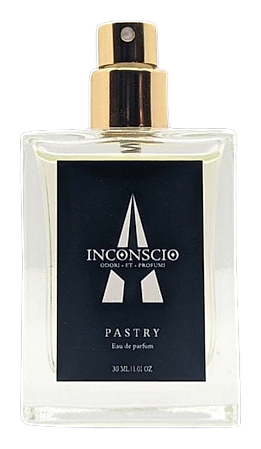
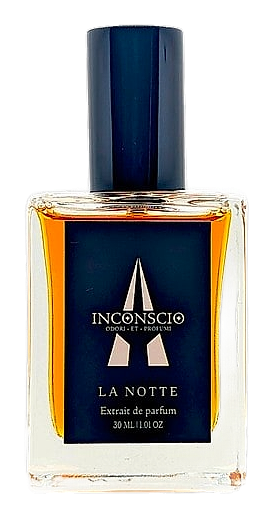
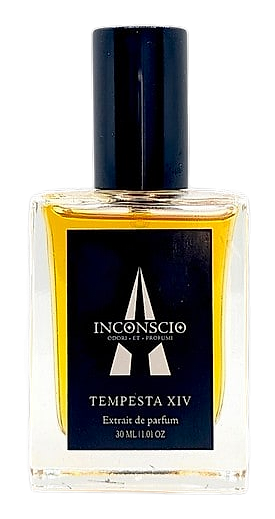
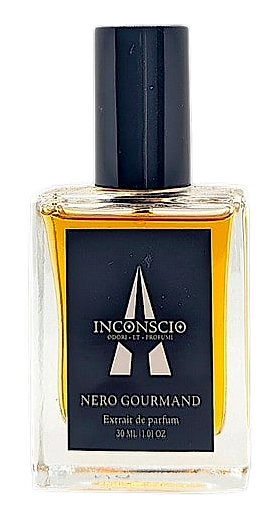
The signature
How Luigi composes
Luigi favors ingredients that echo his Sicilian upbringing. He starts with bright citrus – blood orange, bergamot, and citron – then layers herbaceous greens such as sage, thyme, and rosemary. He often introduces a mineral accord derived from sea salt or volcanic ash to ground the composition. In the heart, he reaches for white florals like neroli and jasmine, but never lets them dominate; they act as a subtle veil. The base typically rests on warm woods, amber, and a touch of resin, creating depth without heaviness. He builds each perfume in stages, testing the evolution on his own skin before moving to a blind panel. This disciplined process lets him capture both precision and emotion in a single bottle.
Philosophy
What drives Luigi
Luigi treats perfume as a bridge between science and feeling. He believes that every molecule carries a story, and his task is to let that story speak. He draws on his medical background to dissect structure, then reassembles the parts into a narrative that feels intimate. Memory guides his choices; a burst of mandarin reminds him of his grandmother’s kitchen, while a hint of rosemary evokes the herb gardens behind his apartment. He avoids trends that chase novelty for its own sake, preferring instead to honor the authenticity of each ingredient. For Luigi, a successful fragrance must feel inevitable, as if the notes were always meant to sit together.
The houses