Heritage
A house, in its own words
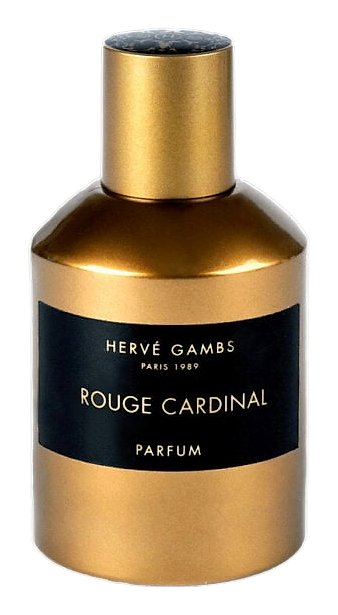
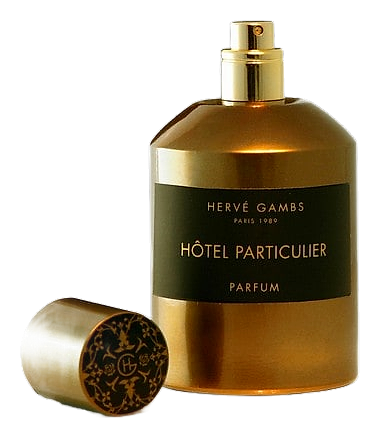
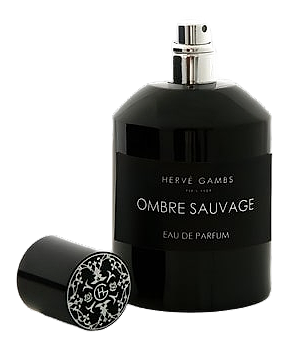
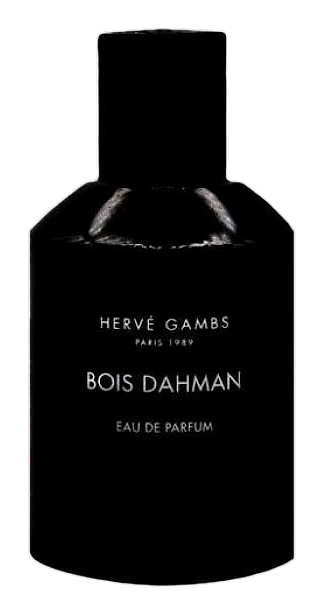
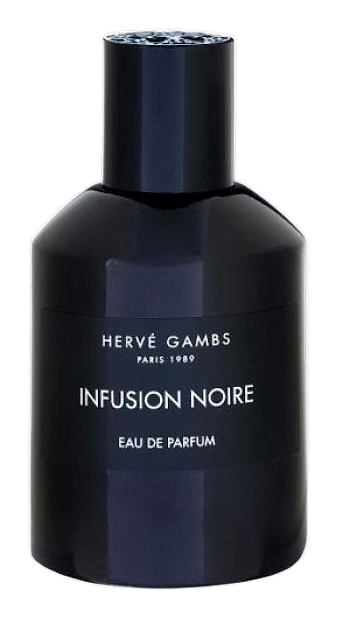
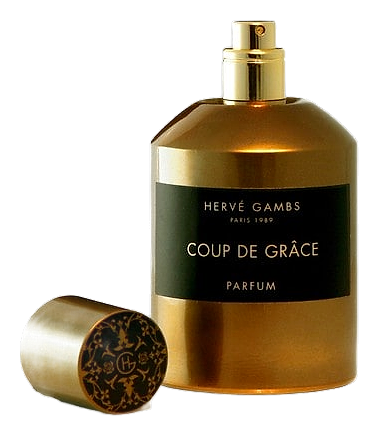
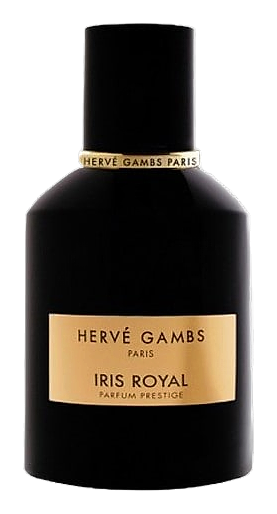
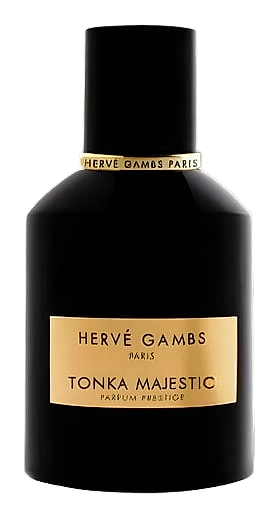
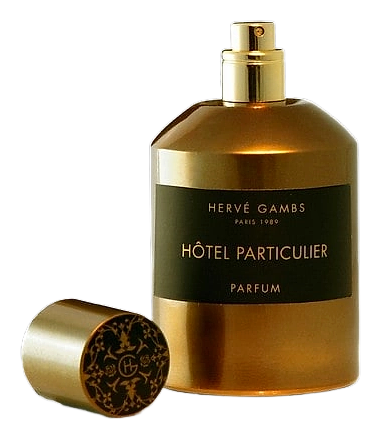
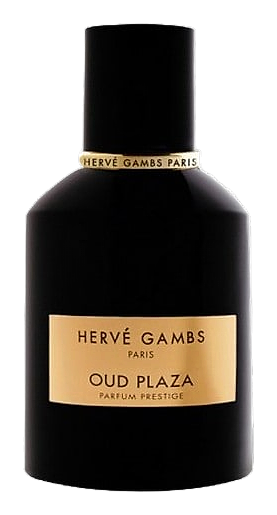
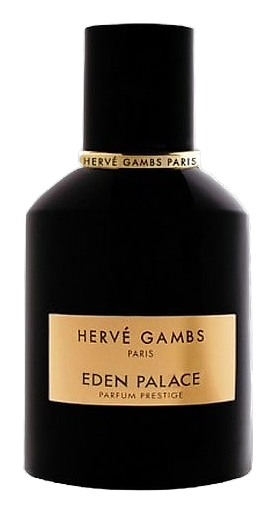
The story of Hervé Gambs Paris begins with the eponymous founder, a painter and sculptor whose career in the visual arts stretched back to the late 1980s. In 2013, after years of experimenting with scent as a medium for his installations, Gambs launched his first perfume, Hotel Particulier, marking the transition from gallery work to a dedicated fragrance line. Early press coverage notes the brand’s debut that year and identifies Gambs himself as the nose behind the creations, a rare case of an artist-designer handling both concept and composition. Between 2013 and 2015 the house introduced a trio of scents—Rouge Cardinal (2013), Ombre Sauvage (2015), and Infusion Noire (2015)—each reflecting a distinct visual theme from Gambs’ studio practice. The 2015 releases also featured Bois Dahman, a woody composition that signaled the brand’s growing confidence in sourcing rare timber notes. 2018 proved pivotal, with three new launches—Eden Palace, Oud Plaza and Iris Royal—showcasing a broadened palette that incorporated Middle‑Eastern oud, lush garden florals and refined iris. The same year the brand’s visual identity was refined, adopting a minimalist olive‑branch emblem that references the designer’s long‑standing motif of nature symbols. In 2019 Tonka Majestic arrived, a tribute to the tonka bean’s creamy sweetness, while the 2020 edition (unnamed in public records) confirmed the label’s commitment to annual innovation. Throughout its first decade, Hervé Gambs Paris has remained a boutique operation, producing limited batches that circulate primarily through niche retailers and online specialty platforms. The house’s evolution reflects a consistent dialogue between Gambs’ artistic sensibility and the technical rigor of French perfumery, creating a lineage that, while young, already carries the weight of a disciplined creative practice. At the core of Hervé Gambs Paris lies a belief that fragrance can function as a visual brushstroke, translating colour, form and emotion into scent. The founder describes his work as an extension of his studio practice, where each perfume is conceived as a “portrait” of a particular mood or natural element. This artistic framing drives the brand’s commitment to non‑conformity: rather than following seasonal trends, the house pursues narratives that feel personal and timeless. The label emphasizes authenticity, sourcing ingredients that echo the textures and hues present in Gambs’ paintings. Sustainability is approached pragmatically; the brand prefers suppliers who can provide traceable raw materials, especially for high‑impact notes such as oud and ambergris substitutes. Transparency is reflected in the limited edition model, which allows the house to maintain control over quality while offering collectors a sense of exclusivity without resorting to mass‑market hype. Community also plays a subtle role. While the brand does not engage in overt marketing campaigns, it maintains a dialogue with a small circle of fragrance enthusiasts, inviting feedback that informs subsequent releases. This iterative, artist‑centric process underscores a philosophy that perfume should be both a personal journey and a shared cultural artifact, rooted in French craftsmanship yet open to global influences.