Heritage
A house, in its own words
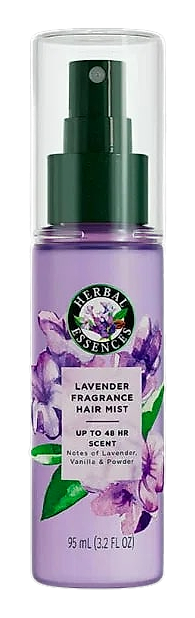
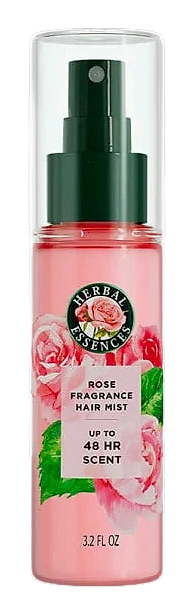
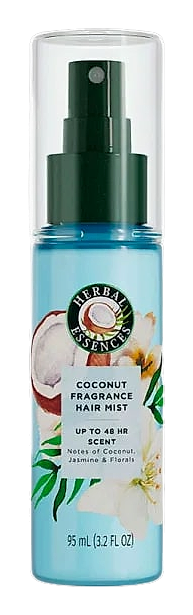
Herbal Essences began in 1971 with a single product: Clairol Herbal Essence Shampoo, a simple bottle built around the radical idea that hair care could smell as considered as it performed. The original shampoo introduced a generation of consumers to the pleasure of botanical scent in the shower, a category that barely existed at the time. Throughout the 1990s and early 2000s, the brand became synonymous with sensory-rich hair care. Advertising campaigns turned shampooing into an event, and signature scents, from white tea to rose, coconut to honey, earned devoted followings. Fans could identify their shampoo blindfolded. That obsession with aroma laid the groundwork for everything that followed. Ownership shifted over the decades, with Clairol eventually passing through P&G before the brand landed under Procter & Gamble's broader portfolio structure and, more recently, the Herbal Essences bio:renew line was developed with renewed attention to plant-based ingredients and sustainability. The most surprising chapter came with the launch of a dedicated hair fragrance, a mist format that distilled the brand's most iconic rose composition into a wearable form. It was a quiet acknowledgment that Herbal Essences had always been, at heart, a fragrance house disguised as a shampoo brand. Today the brand continues to produce shampoos, conditioners, masks, and styling products, with its scent library remaining its most powerful calling card. Herbal Essences believes in the power of plants, and that belief runs deeper than marketing language. Every bottle in the bio:renew range sources real botanicals, certified extracts that show up on ingredient lists rather than hiding behind vague fragrance terminology. The brand treats scent as a daily ritual, not an afterthought. What sets the philosophy apart is its insistence that hair care fragrance deserves the same care as fine perfumery. The rose notes are not generic florals; they draw on centuries of botanical cultivation. The honey accord references actual honey sourcing. Each scent family is built around a plant story, not a trend cycle. The brand also embraces the idea that fragrance can be playful. Herbal Essences does not position itself as serious or clinical. Its scents are designed to make you smile, to turn a Tuesday morning shower into something worth lingering over. That emotional directness, skipping the pretense that often surrounds fragrance marketing, has been the thread connecting every era of the brand. Sustainability sits alongside scent in the brand's priorities. Plant-based formulas, reduced environmental impact, and responsible sourcing inform product development without becoming the entire identity. Herbal Essences wants you to smell good and feel good about what you are using, in roughly that order.