


Heritage
A house, in its own words
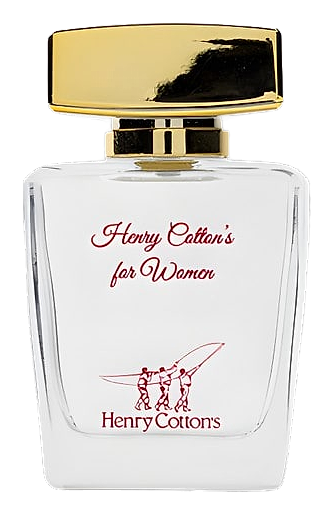
The available record on Henry Cotton's fragrance house is notably sparse, a condition that itself shapes the brand's character. The earliest documented perfume in the catalog, In Green, appeared in 2006, followed by additional masculine and feminine editions over the next decade. The 2017 release of Henry Cotton's for Women marked the most recent addition to the lineup. This brevity of documented history means that the brand has cultivated a following through its compositions rather than through public-facing storytelling. No founding figure, atelier location, or origin year has been verified through independent fragrance databases or industry publications. The scarcity of biographical detail has, paradoxically, become part of the appeal for fragrance enthusiasts who associate the label with restraint and selective output. Each release represents a deliberate addition to a small, considered catalog rather than a continuous stream of flankers and reissues. The pattern suggests a house that values quiet consistency over aggressive expansion, releasing fragrance only when something new merits introduction. What remains verifiable is the timeline itself: four fragrances across eleven years, beginning with In Green in 2006 and concluding with Henry Cotton's for Women in 2017. That measured pace of production places the brand within a tradition of European perfumery where quality of output takes precedence over volume, and where a fragrance is treated as a finished statement rather than a seasonal commodity. With limited public documentation available, the creative direction of Henry Cotton's must be inferred from the compositions themselves rather than from declared manifesto. The brand's decision to maintain a catalog of just four fragrances across more than a decade signals a philosophy of measured output. Each scent appears to be conceived as a distinct statement rather than a variation on a theme, with separate masculine and feminine editions alongside a unisex composition. The brand's name carries clear echoes of the British sporting tradition, Henry Cotton being a celebrated golfer whose career spanned the early to mid-twentieth century. Whether this association is intentional, coincidental, or aspirational, it lends the label a sensibility rooted in discipline, precision, and classical standards. The fragrances themselves, judged by their naming conventions, lean toward green, herbal, and traditionally structured accords rather than avant-garde or gourmand territory. This restrained approach to expansion, combined with a classical olfactory vocabulary, positions the house within a lineage of European perfumers who prioritize composition integrity over commercial scaling. The philosophy, insofar as one can be reconstructed, favors longevity of design over trend responsiveness. A buyer of a Henry Cotton's fragrance is selecting from a curated shelf rather than navigating an ever-expanding catalog.