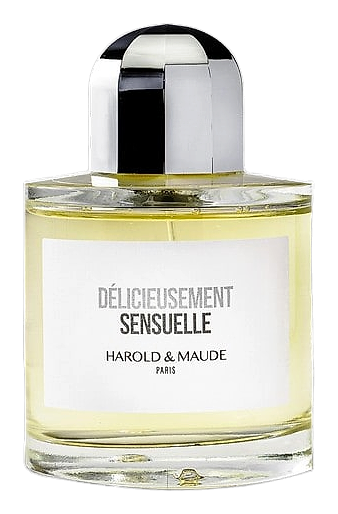
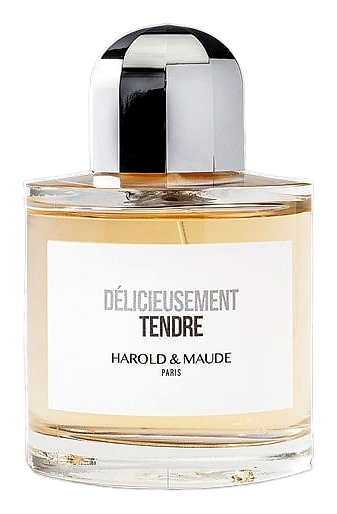
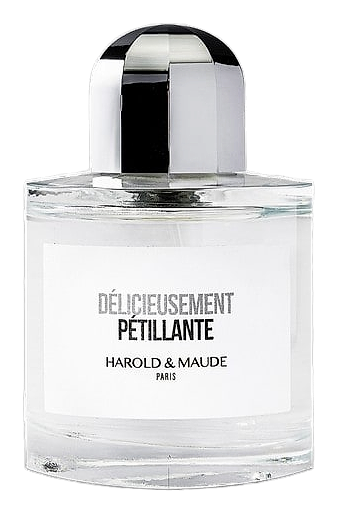



Heritage
A house, in its own words
Harold & Maude emerged in late 2023 as an independent French perfume house, but its founding draws on decades of industry experience. Christian Paindavoine, the founder, built his career in luxury perfumery throughout the 1980s and 1990s. His vision for the house centered on fragrance as a vehicle for emotion and memory, a philosophy reflected in every release. The name itself signals the brand's emotional orientation. The 1971 film Harold and Maude, directed by Hal Ashby and released by Paramount Pictures, tells the story of a young man drawn to death and an elderly woman who embraces life. Their unlikely romance became a cult classic for its exploration of connection across difference. Paindavoine reportedly found resonance in this narrative for perfume's own ability to forge unexpected bonds between wearer and scent. To execute this vision, Paindavoine partnered with Nejla Barbir, a perfumer whose own career began in 1987 at Flora Synth. Barbir later rose to senior perfumer roles, bringing over three decades of formulation experience to the house. The pairing of a veteran businessman with an accomplished perfumer positioned the new house to pursue a distinct creative path from its inception. Harold & Maude operates under the parent company VEGA BLUE S.A.S., a French entity. The house launched at Pitti Fragranze, the international fragrance trade fair held in Florence, Italy, which provided an early platform for visibility within the niche fragrance community. All fragrances released in 2023 bore French titles suggesting emotional states: Délicieusement Pétillante, Délicieusement Sensuelle, Divinement Audacieux, Délicieusement Lumineuse, Délicieusement Tendre, Résolument Affranchi, and Follement Romantique. Harold & Maude approaches fragrance as an emotional medium rather than a product category. The brand explicitly frames its scents as vessels for memory and contrast, suggesting compositions designed to evoke specific feelings or recall particular moments. This orientation distinguishes the house from brands that emphasize ingredient provenance or technical formulation as primary selling points. The brand describes its compositions as neoclassical, a term indicating an approach that draws on traditional perfumery structures while incorporating contemporary sensibilities. Rather than pursuing novelty for its own sake, the house appears to prioritize balance and longevity in how its fragrances develop over time on the skin. The French titles of the inaugural collection reinforce this emotional framing. Words like délicieusement, divinement, and follement translate to delightful, divinely, and madly, pointing toward intensity of feeling rather than specific scent families or ingredient lists. This naming convention suggests the house wants wearers to approach fragrance through the lens of personal experience rather than objective categorization. The emphasis on slow evolution, compositions that change throughout the hours after application, reflects a belief that perfume should be a temporal experience rather than a static impression.