
Heritage
A house, in its own words
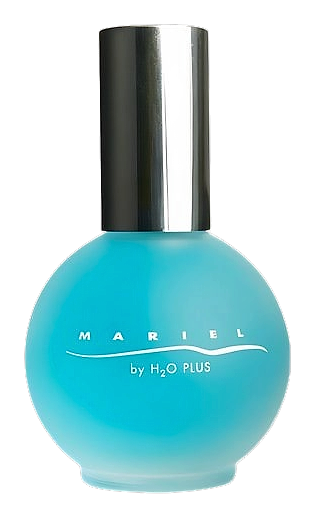
H₂O Plus was founded in 1989 by Cindy Melk, a former marketing executive at Helene Curtis, alongside her husband Jack Melk. The couple built the brand around a simple but specific idea: water as the foundation of healthy skin, and marine-sourced ingredients as a path to delivering it. The company was headquartered in Chicago, Illinois, and grew rapidly during the early 1990s, a period when department-store beauty floors were expanding to accommodate specialized skincare labels. H₂O Plus opened its own freestanding retail stores, an unusual move for a skincare startup at the time, and operated locations across the United States and internationally through the late 1990s and 2000s. The brand entered fragrance as a natural extension of its bath, body, and skincare categories, with early scents tied to product lines rather than positioned as standalone perfumery. By the 2010s, the company shifted its distribution strategy away from standalone stores toward online and select retail partnerships. Fragrance launches including Mariel (2012) and Blue (2014) marked the brand's continued presence in personal scent during this transition. The brand's history reflects a broader industry shift from vertically integrated beauty counters to omnichannel distribution, with H₂O Plus adapting its model while preserving its water-centric formulation philosophy. H₂O Plus approached product development from the premise that hydration is the baseline of effective skincare, and that every product touching the skin, including fragrance, should work in harmony with that goal. The brand's creative vision centered on translating the sensory experience of water into functional beauty: light textures, marine-inspired scent profiles, and formulations intended to feel refreshing on application. Rather than positioning fragrance as fine perfumery in the classical European tradition, H₂O Plus treated scent as a daily complement to its body care lines, designing fragrances that layered with lotions and bath products rather than competing with them. This integrated philosophy shaped the brand's approach to ingredient selection, favoring fresh, clean accords over heavy orientals or dense florals. The brand also leaned into accessibility, bringing water-inspired skincare and fragrance to a broader audience through mid-tier retail pricing and wide distribution. This democratizing impulse, making effective hydration-based care available outside of luxury channels, was a core part of the company's stated mission from its earliest years.