

Heritage
A house, in its own words
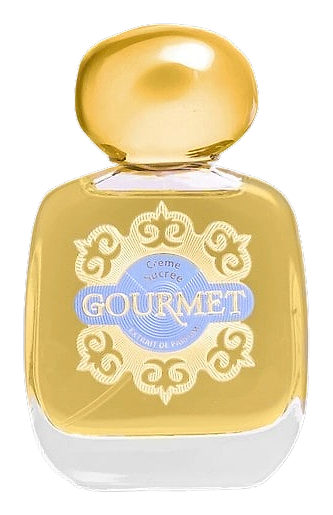
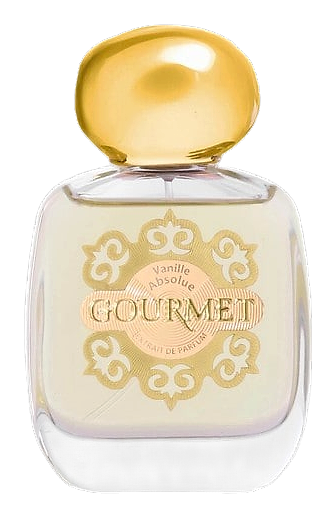
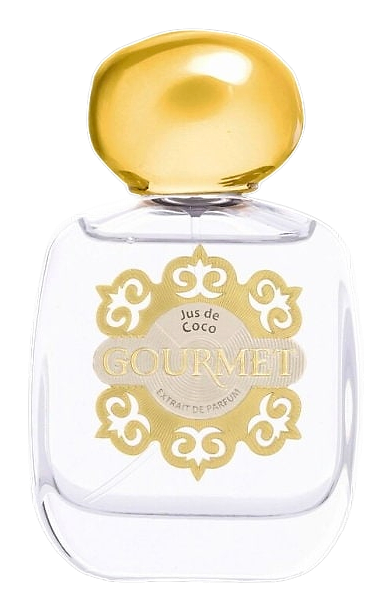
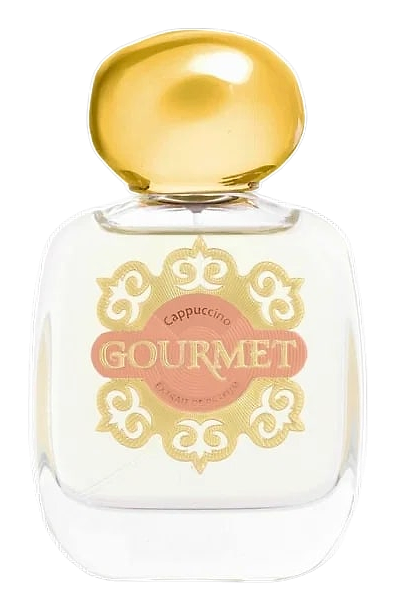
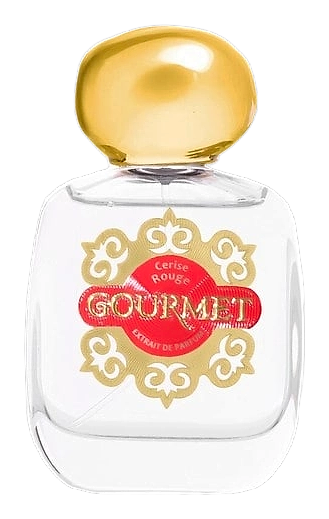
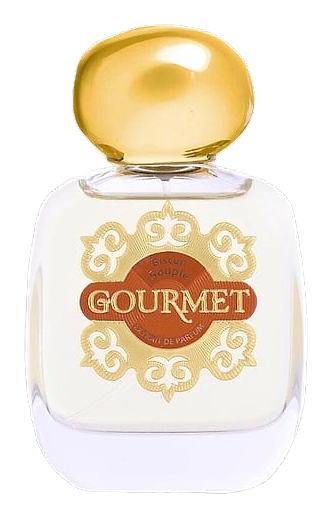
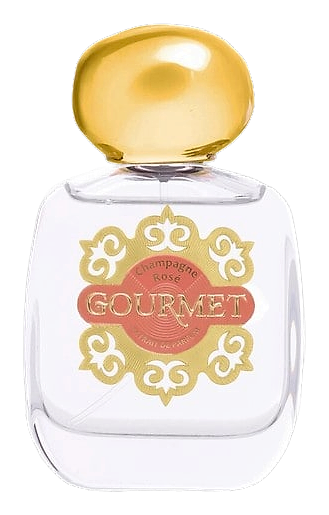
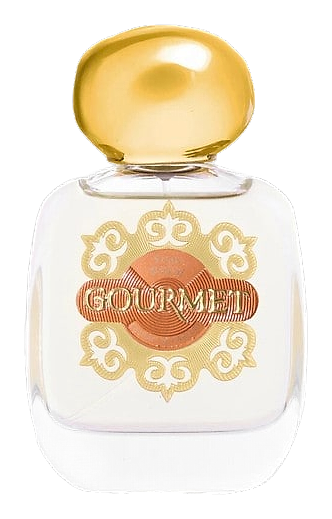
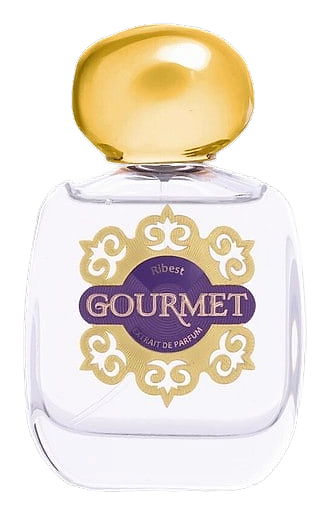
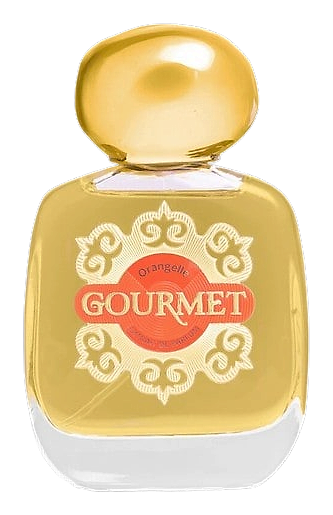
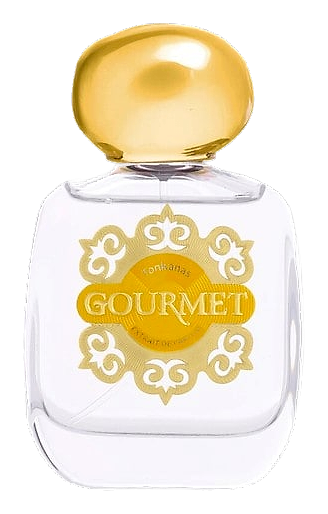
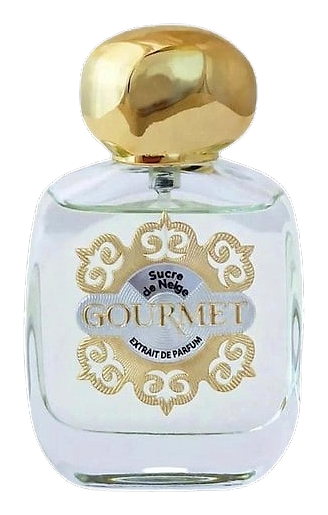
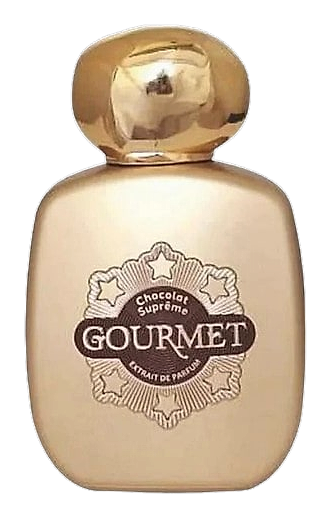
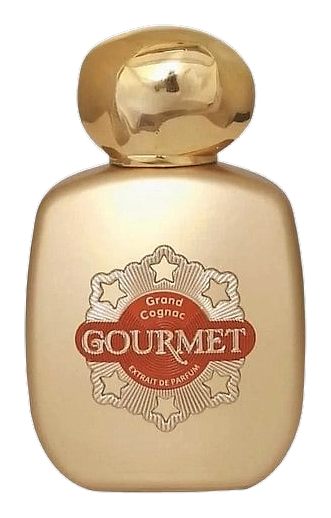
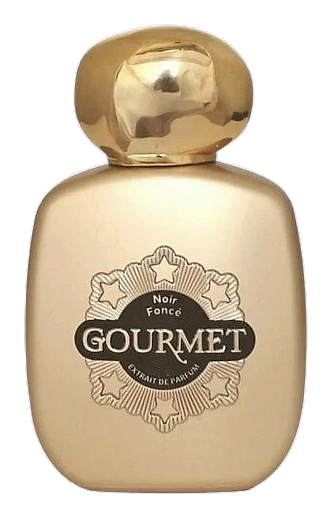
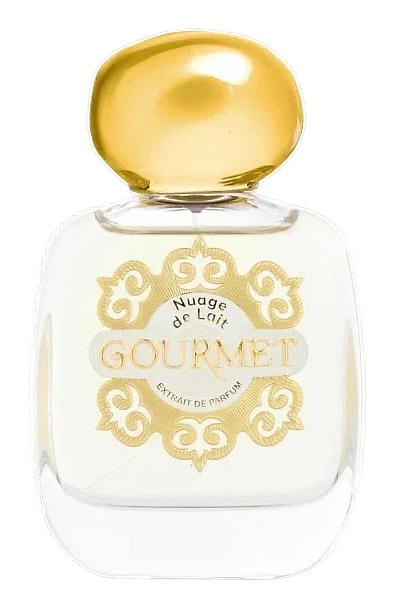
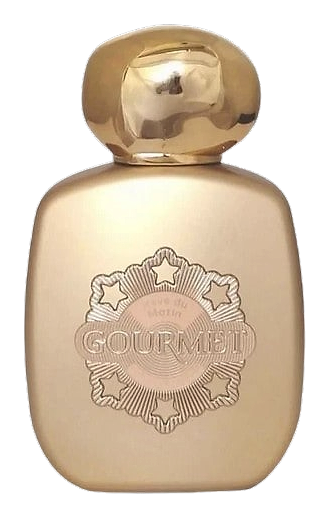
The Gourmet line emerged from a small Parisian atelier that began experimenting with gourmand accords in the early 2020s. Its founders, a duo of former pastry chefs turned perfumers, sought to capture the aroma of classic desserts while respecting the chemistry of fragrance creation. In 2024 they released a debut set of ten scents, each named after a specific confection or beverage. The launch coincided with a broader industry shift toward edible‑inspired fragrances, a trend documented by Odeuropa’s overview of the gourmand family. While the house does not claim a centuries‑old lineage, it draws on the technical heritage of French perfume, referencing the synthetic breakthroughs of the late 19th century that made gourmand notes viable. By 2025 the line secured placement in several boutique concept stores across Europe, and by 2026 it began collaborating with Bell Flavors & Fragrances, a company with roots dating back to 1829, to source high‑purity natural extracts. The brand’s evolution reflects a modern narrative: a small team leveraging historic techniques and contemporary chemistry to craft scents that feel both familiar and novel. Gourmet’s creative vision rests on the idea that scent can evoke the same emotional resonance as taste. The team approaches each fragrance as a culinary composition, selecting base notes that act like a palate‑cleanser before introducing richer, layered accords. Sustainability informs the philosophy; ingredients are sourced from growers who practice regenerative agriculture, and the brand prioritises biodegradable packaging. Transparency is another pillar: every launch is accompanied by a brief on the origin of key materials, whether a Madagascan vanilla bean or a lab‑derived vanillin. Rather than chasing fleeting trends, Gourmet aims to build a library of timeless edible memories, encouraging wearers to pause and recall personal moments—perhaps a grandmother’s kitchen or a celebratory toast—through scent. This approach aligns with the broader gourmand category, which historically has been defined by its ability to conjure edible imagery, as noted in scholarly scent histories.