
Heritage
A house, in its own words
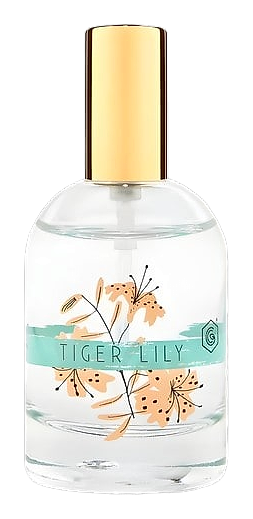
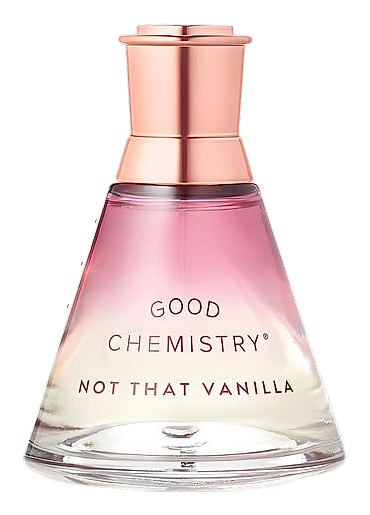
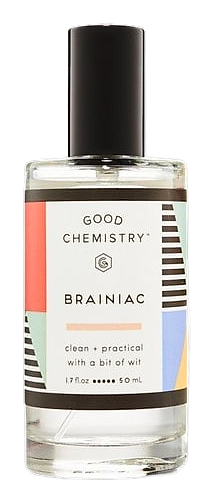
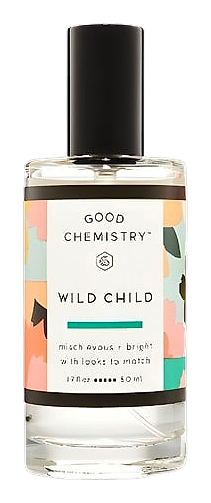
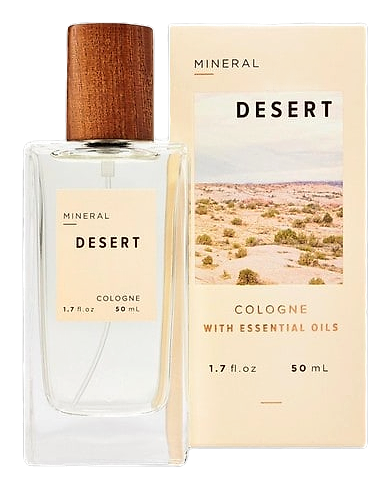
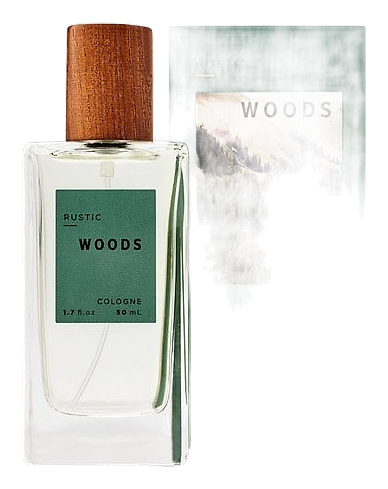
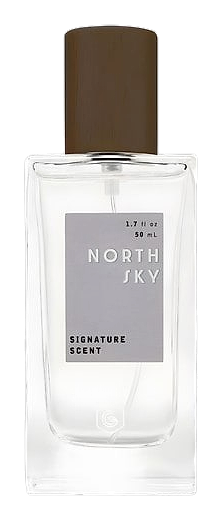
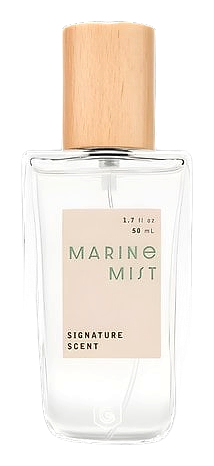
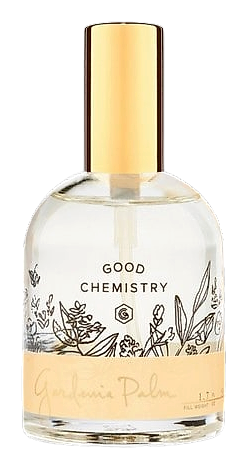
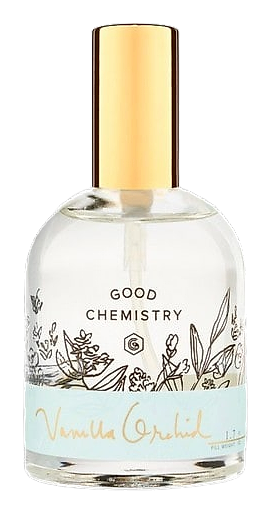
Good Chemistry launched its first wave of personal fragrances in 2018, introducing scents such as Wild Child, Brainiac, Rustic Woods, Vanilla Orchid, Water Lily, Mineral Desert and Gardenia Palm. The following year the brand added Marine Mist, North Sky and Tiger Lily, expanding its olfactory palette while keeping the same commitment to ingredient clarity. In 2020 the company debuted its first solid perfume, a wax‑based stick sold exclusively at Target, marking a shift toward more sustainable delivery formats. The solid perfume launch was announced in a press release that highlighted the brand’s cruelty‑free stance and its partnership with the retailer. Early 2021 the parent company ILLUME moved Good Chemistry into a direct‑to‑consumer model, opening an online storefront that allowed shoppers to purchase the line without visiting a physical retailer. This move was described in a business profile that noted the brand’s desire to reach a broader audience while preserving its transparent approach. In 2022 Good Chemistry introduced a home‑fragrance collection that includes refillable candles and room sprays, each bearing the same ingredient disclosure standards as the personal scents. Throughout its growth the brand has maintained PETA certification, confirming that no animal testing is involved at any stage of product development. The timeline reflects a steady expansion from a handful of niche scents to a diversified portfolio that includes solid, liquid, and ambient offerings, all anchored by a promise of clean chemistry and accessible price points. The brand’s guiding idea is that fragrance can be both scientifically grounded and emotionally uplifting. Good Chemistry describes its mission as keeping formulas clean, honest and day‑brightening, a statement that appears on its About page and is reinforced by the company’s PETA certification. Transparency drives every decision; ingredient lists are printed on the packaging and on the website, allowing customers to see exactly what they are inhaling. The company frames scent as a form of positive‑vibe science, suggesting that certain notes can influence mood and energy. This perspective informs product naming, marketing language and the decision to offer refillable home‑fragrance options that reduce waste. By avoiding animal testing and emphasizing safe synthetics alongside natural extracts, the brand positions itself as a responsible alternative to more opaque fragrance houses. The philosophy also embraces accessibility, offering scents at price points that invite experimentation without sacrificing ethical standards. In interviews, the team has spoken about the desire to demystify perfumery, turning what is often a secretive craft into a transparent, approachable experience for everyday shoppers.