

Heritage
A house, in its own words
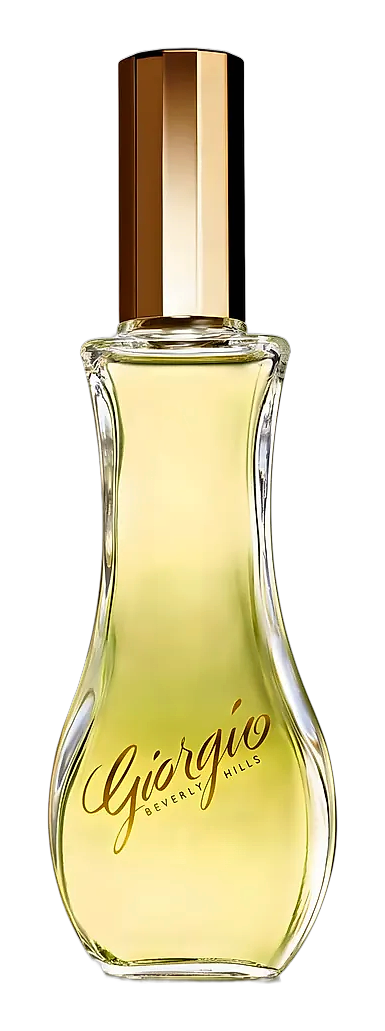
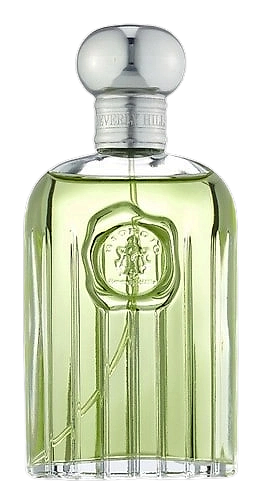
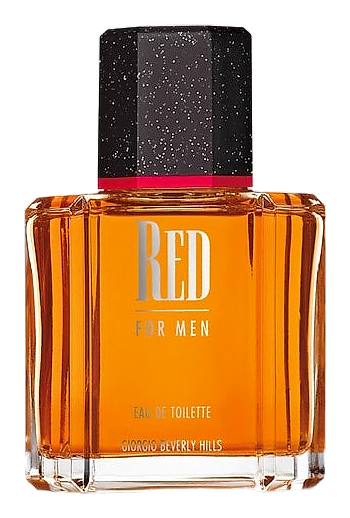
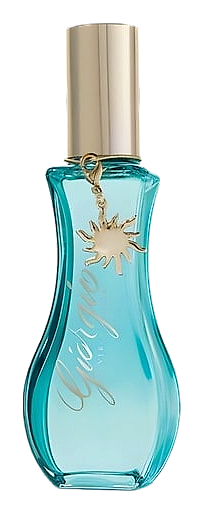
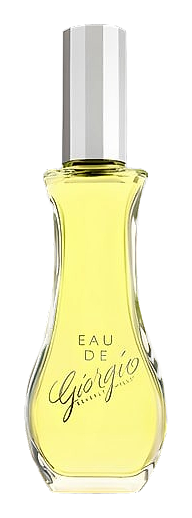
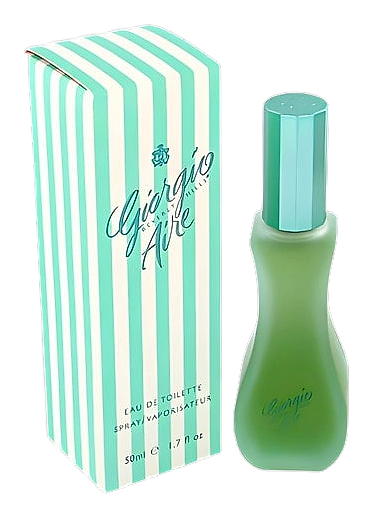
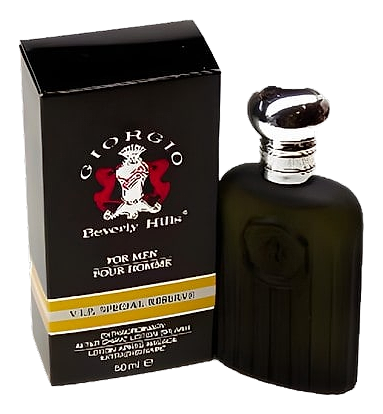
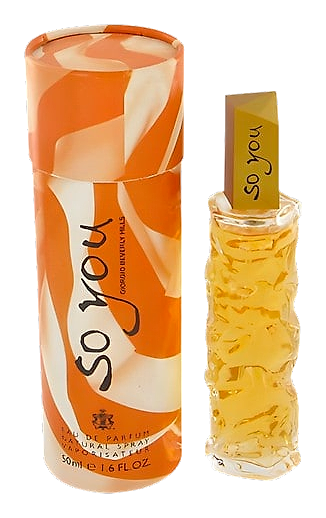
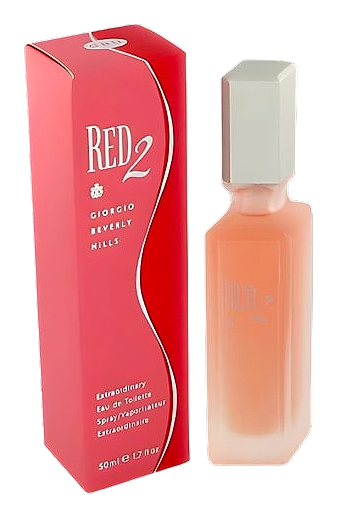
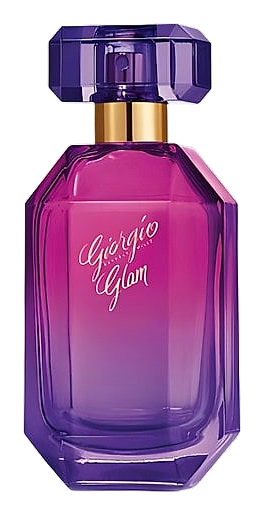
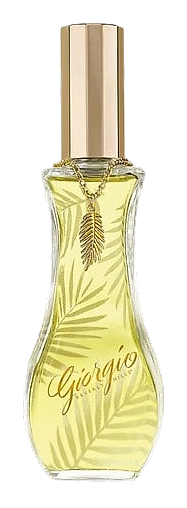
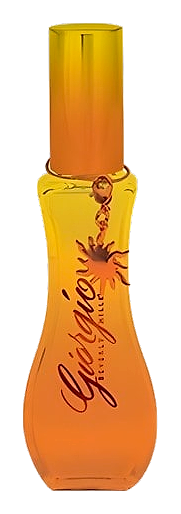
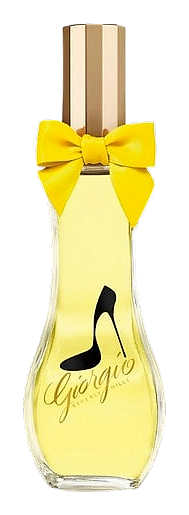
Fred Hayman and George Grant founded Giorgio Beverly Hills in 1961 at 273 Rodeo Drive. The boutique's name came from Grant's first name, though Hayman bought out his partner within a year. In 1966, Hayman married Gale Miller, whom he had hired years earlier as a cocktail waitress at the Beverly Hilton. Together, the Haymans built the shop into a destination that attracted the era's biggest names: Natalie Wood, Princess Grace, Ronald and Nancy Reagan, Diana Ross, Charlton Heston, and Elizabeth Taylor. The store set itself apart with a reading room, pool table, and oak bar, giving men somewhere to pass the time while women browsed. By the late 1970s, the Haymans recognized that the boutique had become as much symbol as store, the yellow-and-white striped awning defining a certain Beverly Hills aspiration. In 1979 they decided the look needed a scent. Two years of development followed, and in November 1981, Giorgio launched with an extravagant party held in a yellow-and-white striped tent across from the boutique. The event cost $260,000, hosted by Merv Griffin, with food from five leading restaurants and a 100-piece marching band. Initially sold only to boutique clients, consumer demand pushed the fragrance into wider distribution by 1984. By then it was generating $100 million annually—seven times the boutique's own sales. Avon acquired the brand for $165 million in 1987. Procter and Gamble bought it in 1994 for $150 million, merging it into their prestige division alongside Hugo Boss and Laura Biagiotti. Elizabeth Arden secured worldwide licensing rights in 2007. Today the brand operates as BrandCo Giorgio Beverly Hills. Giorgio Beverly Hills was built on a simple conviction: luxury should be lived, not just admired. The Haymans wanted every visitor to the boutique to feel that aspiration was achievable. Their fragrance extended that idea. Rather than chasing fashion, Giorgio aimed to bottle a specific lifestyle—the sun, the polish, the confidence of Beverly Hills in its most glamorous era. The original women's fragrance launched in 1981 was unapologetically bold. It rejected subtlety in favor of presence. The scent worked because it matched its moment, capturing an era that celebrated excess and glamour. Even its critics acknowledged its power. The Giorgio for Men, launched in December 1984, carried the same ethos into different territory, using woody notes to stake a claim for masculine elegance. The brand's philosophy remained consistent across decades: create something unmistakable, then stand behind it completely.