Heritage
A house, in its own words
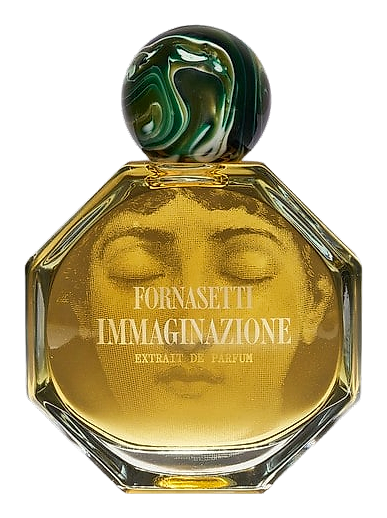
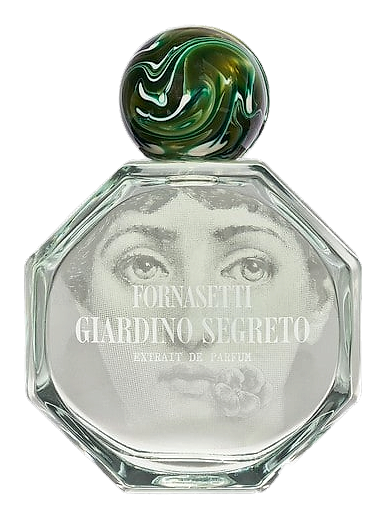
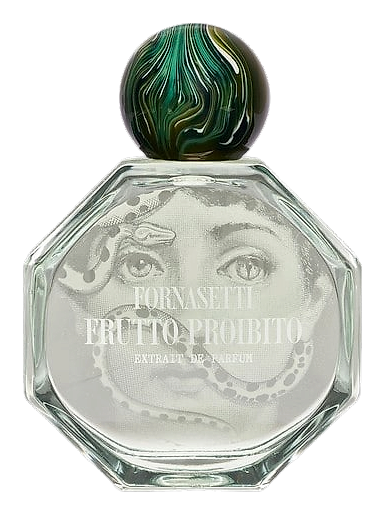
Piero Fornasetti established his Milan studio in 1940, launching a creative practice that would span furniture, ceramics, and decorative objects. His work drew from neoclassical sources filtered through a distinctly surrealist sensibility, producing a visual language unlike any other in Italian design. Central to his artistic world was the face of Lina Cavalieri, an opera singer whose portrait became his most repeated motif across thousands of designs. The studio developed an extraordinary body of work during the post-war period, gaining recognition among collectors and design enthusiasts for its meticulous craftsmanship and imaginative reinterpretation of classical forms. Following Piero's death in 1988, his son Barnaba Fornasetti assumed creative direction of the atelier. Barnaba has maintained his father's commitment to artistic excellence while gradually expanding the house into new territories. The introduction of the fragrance line represents one of the most significant extensions of the Fornasetti universe under his stewardship, treating scent as another medium through which to express the house's distinctive aesthetic. The transition from visual art to olfactory art required finding compositions that could embody the theatrical quality and dreamlike atmosphere of the Fornasetti world. Fornasetti approaches fragrance as an extension of its visual art rather than a departure from it. The house believes scent should function as another dimension of artistic expression, carrying the same theatrical sensibility and attention to detail found in its ceramics and furniture. Each fragrance aims to evoke the atmosphere of the Fornasetti universe, translating the house's distinctive aesthetic into something one can wear or experience in the home. The philosophy rejects conventional perfumery conventions in favor of compositions with narrative depth and imaginative character. The house draws from its archive of visual motifs and historical references, creating scents that feel like chapters in an ongoing artistic story. This approach treats fragrance as a form of storytelling, where each bottle contains not merely a pleasant smell but a portal into a carefully constructed world. The surrealist and neoclassical influences that define the visual work inform the olfactory compositions, creating a coherent artistic statement across different media.