


Heritage
A house, in its own words
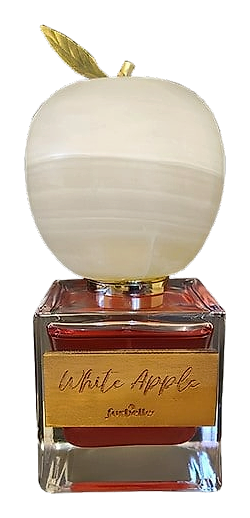
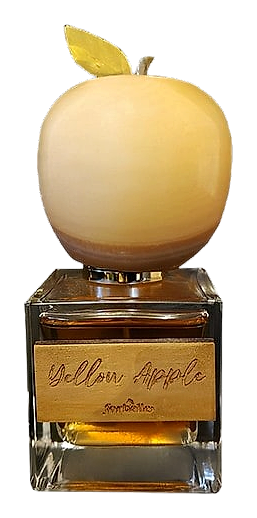
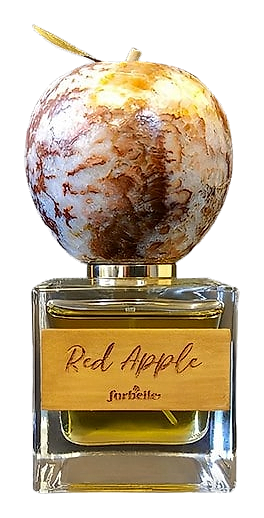
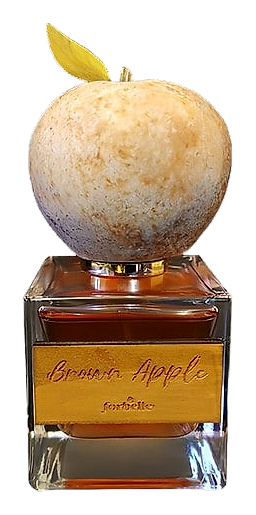
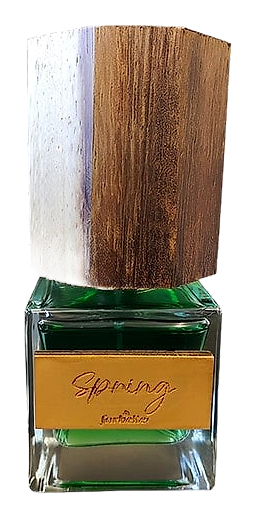
Forbelle’s documented history begins with its 2024 fragrance releases. Across nine listed scents, the brand turns familiar natural and atmospheric images into a structured wardrobe: Cold Wind, Yellow Apple, Autumn, Brown Apple, Winter, White Apple, Summer, Red Apple, and Spring. The titles suggest a calendar-based approach, pairing seasonal references with variations of apple and a colder atmospheric scent. This gives the range a clear organizing idea without requiring a detailed account of the company’s origins. The supplied research contains broad histories of perfumery, from ancient fragrance production to later developments in modern perfume, but none connect those milestones directly to Forbelle. Those sources establish the wider context in which fragrance names and compositions carry cultural meaning, though they cannot be used to claim a historical lineage for this brand. No founding year, named founder, original location, or earlier release is confirmed in the available material. As a result, Forbelle’s heritage is best described as a contemporary portfolio built around season, weather, color, and memory, with 2024 serving as the only verifiable point of reference. Forbelle’s creative direction appears to rest on immediate associations rather than a house narrative built around celebrity, provenance, or perfumer pedigree. Names such as Cold Wind and Winter set a temperature and atmosphere, while Yellow Apple, Brown Apple, White Apple, and Red Apple bring color and fruit into the same framework. Spring, Summer, and Autumn complete a cycle, giving the collection the feeling of an annual fragrance wardrobe. This approach lowers the interpretive barrier. A wearer can approach a scent through an image or feeling before learning about notes, which suits a discovery platform where fragrance is often explored by mood. The structure also invites comparison. Red Apple and White Apple can be read as vivid and pale, while Brown Apple suggests ripeness or depth, and the seasonal titles imply different degrees of freshness, warmth, and weight. The available evidence does not disclose the brand’s stated creative manifesto, independent perfumer, or sourcing principles. Any account of formulation intent should therefore remain tied to the titles rather than presented as confirmed perfumery decisions. Forbelle’s clearest philosophy is representational. It builds a vocabulary from weather, time, and familiar objects, then turns that vocabulary into a coordinated collection.