

Heritage
A house, in its own words
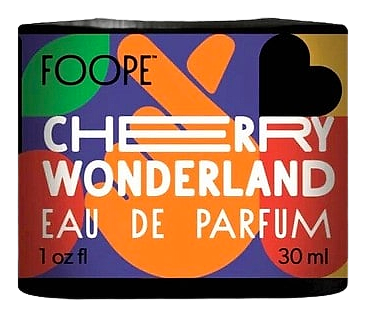
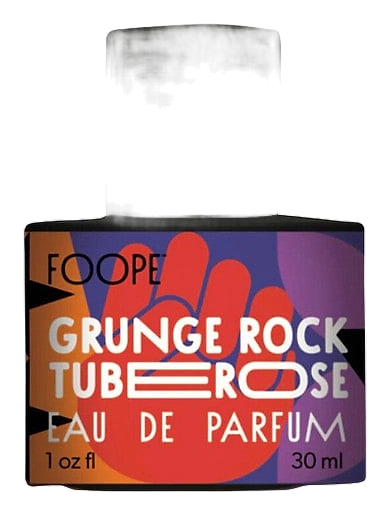
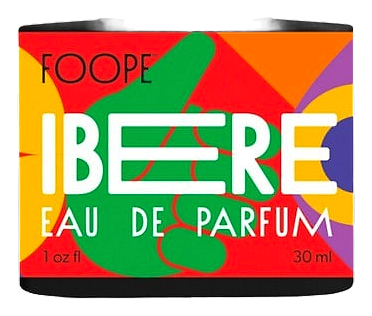
The story of FOOPE begins in Toronto, where founder Femi Oloruntoba spent years cultivating an obsession with fragrance that eventually outgrew the boundaries of personal collection. Describing themselves as a fragrance fanatic, Oloruntoba reportedly accumulated as many as 2,000 perfumes before deciding to channel that passion into creation rather than consumption alone. The decision to launch a fragrance brand reportedly came through conversations with the founder's extended family, specifically 12 nieces and nephews all in their twenties. Observing how this generation approached fashion, beauty, and identity led Oloruntoba to question why fragrance remained tethered to traditions that felt increasingly distant from how younger consumers wanted to express themselves. The brand name itself, FOOPE, suggests a lightness and unconventionality that runs through every aspect of the house. Rather than positioning itself within the established hierarchy of niche or designer fragrance, FOOPE carved out a space that prioritized accessibility, ethical production, and a willingness to experiment with unconventional combinations. The brand's Canadian roots in Richmond Hill, Ontario, inform its clean beauty ethos, reflecting the region's established commitment to cruelty-free andvegan product development. Since its founding, FOOPE has expanded beyond perfume to include scented candles, maintaining its focus on self-expression and identity across product categories. FOOPE operates from the belief that fragrance should function as a tool for identity construction rather than a marker of status or conformity. The brand explicitly targets Gen Z consumers, a demographic the founder understands intimately through extensive family connections. This generational focus shapes everything from scent development to marketing language. Rather than relying on the vocabulary of traditional perfumery, FOOPE communicates through cultural references, mood boards, and a sense of humor that acknowledges the absurdity of taking scent too seriously while still treating it as meaningful. The unorthodox positioning the brand claims for itself manifests in fragrances that refuse easy categorization. Ibere draws from West African aromatic traditions, Ifé references Yoruba cultural heritage, while Cherry Wonderland and Grunge Rock Tuberose lean into playful subversion of floral conventions. The brand's philosophy holds that clean fragrance and exciting fragrance need not be mutually exclusive, a belief reflected in formulations that prioritize ingredient transparency without sacrificing creative ambition. Community figures prominently in FOOPE's self-understanding. The brand frames itself as a space where fragrance enthusiasts can participate in shaping what comes next, a democratized approach that distinguishes it from houses with more hierarchical creative structures.