
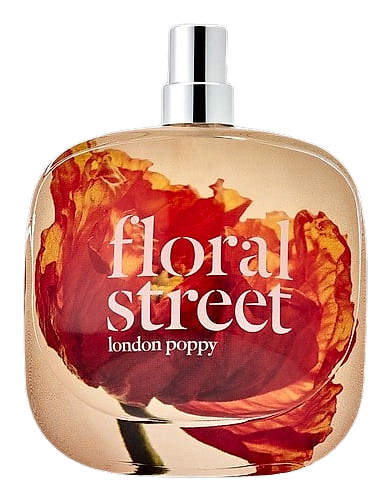
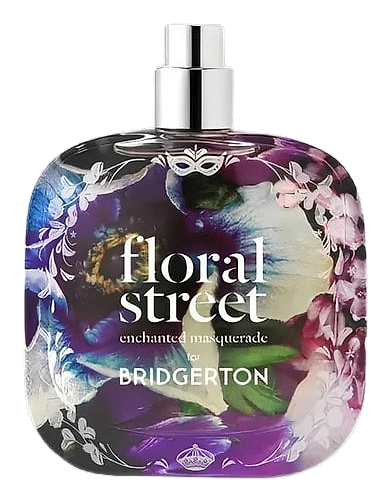
The Heritage
The Story of Floral Street
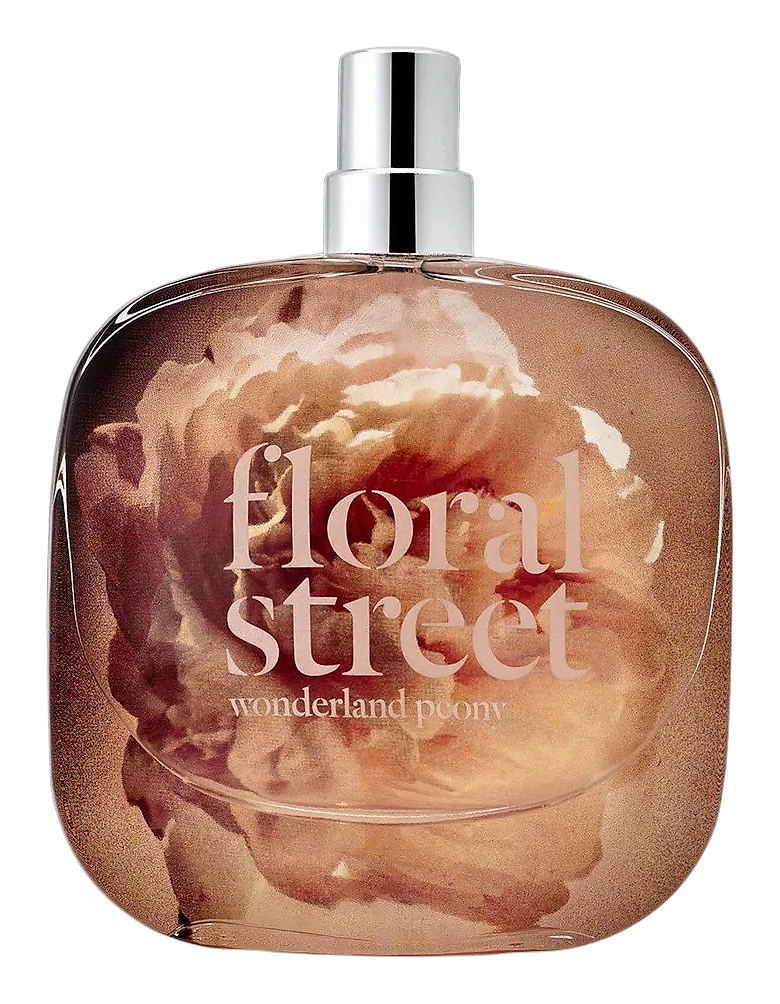
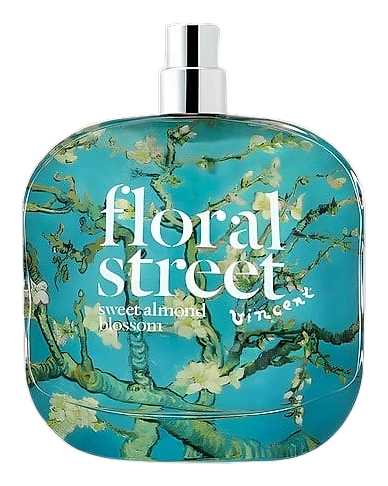
Floral Street is a London-based independent fragrance brand founded by Michelle Feeney in November 2017. After holding senior roles at Procter & Gamble, Stila, and serving as global president of Mac Cosmetics under the Estée Lauder Companies, Feeney launched Floral Street to create fragrances that distil the energy of London into wearable scents. The brand centres on floral compositions with contemporary, easy-wearing appeal, designed to capture distinct moods and urban moments rather than traditional perfumery conventions. Floral Street positions itself as a clean fragrance house, formulating without parabens or sulphates, and maintains a vegan approach across its collection. Sustainability informs its packaging, with aluminium bottles made from 100% recycled material. The brand has built a following around accessible, joy-forward scents that feel modern and distinctly British. Key fragrances include Wonderland Peony (2017), Arizona Bloom (2020), Sunflower Pop (2021), and Sweet Almond Blossom (2023), alongside body, bath, and home collections. Fragrances are created by perfumer Jérôme Épinette.
Heritage
Floral Street traces its name and spirit to the actual Floral Street in London's Covent Garden, a narrow lane flanked by flower stalls and market stalls that has long served as one of the city's hidden sensory landmarks. Michelle Feeney, who spent over a decade in senior leadership roles within the beauty industry, including positions at Procter & Gamble and as global president of Mac Cosmetics under the Estée Lauder Companies, conceived the idea for the brand while working at Tom Ford Beauty. In that role, she observed how independent fragrance culture was becoming increasingly rare at the prestige level, prompting her to build something rooted in accessibility and everyday sensory pleasure rather than exclusivity. She launched Floral Street in November 2017 as an independent British fragrance house, setting up operations in London. The initial collection centred on floral compositions, drawing from the street market atmosphere of Covent Garden and the broader sensory vocabulary of the city. Rather than positioning itself within the heritage perfume establishment, the brand carved a distinct identity around modern British identity and contemporary ease. Its launch received attention from independent fragrance publications and earned early recognition within the beauty trade, with industry observers noting its departure from conventional luxury fragrance norms. The brand expanded into bath, body, and home categories over subsequent years, broadening its accessibility while retaining the floral-forward identity that defined its original collection. The founding principle reflected Feeney's conviction that great fragrance need not require ceremony or intimidation.
Craftsmanship
Floral Street works primarily with perfumer Jérôme Épinette, who translates the brand's mood-driven briefs into structured fragrance compositions. The creative process begins with conceptual direction from founder Michelle Feeney, who communicates the emotional tone of each fragrance through imagery and sensory language rather than technical ingredient specifications. Épinette then develops prototype formulations, working through iterations to reach the intended balance. The composition process involves layering fragrance families, combining base materials such as sandalwood and cedar with heart notes drawn from florals including peony, jasmine, and rose, and anchoring each creation with bright, contemporary top notes such as bergamot and lemon. Ingredients are sourced through established supply chains with attention to sustainability considerations, reflecting the brand's stated commitment to responsible formulation. Floral Street's clean beauty approach means each formula avoids parabens, sulphates, and other additives often found in conventional fragrance production. The vegan formulation extends across the entire collection. Packaging reflects the same ethos, with aluminium bottles produced from 100% recycled material and outer packaging designed to minimise waste. The production process prioritises consistency and quality control across each batch, ensuring that the sensory character of each fragrance remains stable across iterations. This combination of clean formulation, sustainable materials, and a collaborative development process defines the brand's approach to craftsmanship.
Design Language
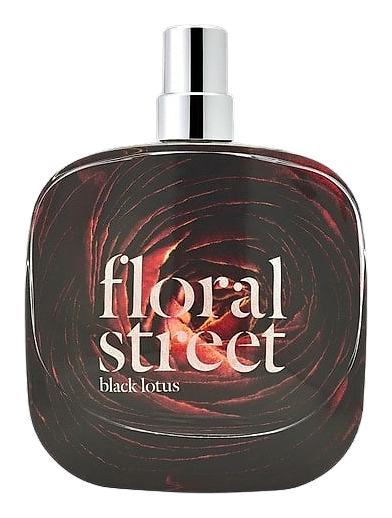
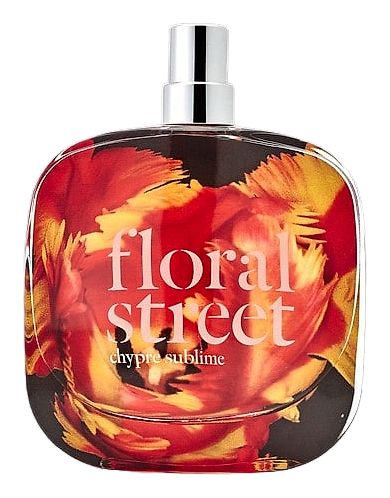
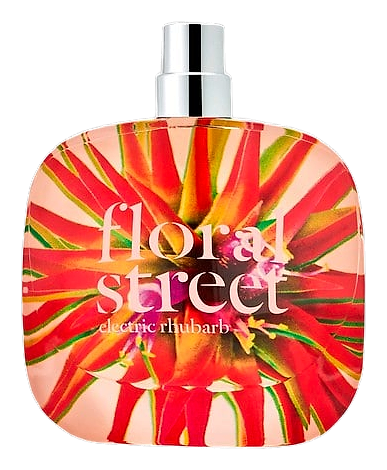
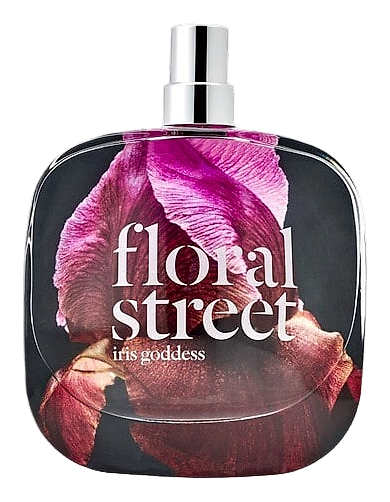
The visual identity of Floral Street draws directly from the street signage and commercial typography of London, positioning the brand within a graphic design tradition rooted in the city's urban visual language. The packaging features bold, clean typefaces and simplified floral motifs that reinforce the brand's floral-forward identity without relying on conventional luxury codes. Each bottle design is distinct to its fragrance, with graphic patterns and colourways chosen to reflect the sensory character of the scent within. The bottle caps are designed to evoke the top of a flower stem, a recurring visual detail that connects the physical product to the botanical source material. The overall aesthetic communicates confidence and accessibility simultaneously, with a contemporary minimalism that differentiates the brand from both the ornate heritage codes of classical perfumery and the clinical sterility of mass-market alternatives. The brand's marketing imagery and digital presence maintain this visual coherence, favouring clean layouts, natural textures, and imagery that references London's street-level energy. This aesthetic strategy reinforces Floral Street's positioning as a modern British brand that draws its identity from the city rather than from established fragrance conventions.
Philosophy
Floral Street operates from a belief that fragrance should function as an accessible daily pleasure rather than an occasion-specific luxury. The brand describes its creative direction through the lens of ease, modernity, and joy, deliberately rejecting the formal structures that characterise traditional fine perfumery. Each fragrance begins as an abstract mood or moment rather than a predetermined ingredient list. Michelle Feeney communicates these conceptual starting points to perfumer Jérôme Épinette in the form of mood boards and descriptive imagery, inviting a more interpretive approach to composition. This method prioritises emotional resonance over technical perfumery conventions, allowing florals to be layered, abstracted, or juxtaposed against unexpected accords. The brand's clean formulation approach means fragrances are created without parabens, sulphates, or unnecessary additives, aligning with a broader wellness-oriented sensibility. Vegan principles govern the collection. The emphasis on immediacy and approachability shapes how each fragrance unfolds, favouring bright opening notes and a more casual wearability over the slow-developing complexity typical of classical perfumery. Floral Street fragrances are designed to feel like a natural extension of personal style rather than an overlay of prestige. This stance reflects a deliberate choice to meet consumers on their own terms, prioritising pleasure and personality over industry convention.
Key Milestones
2017
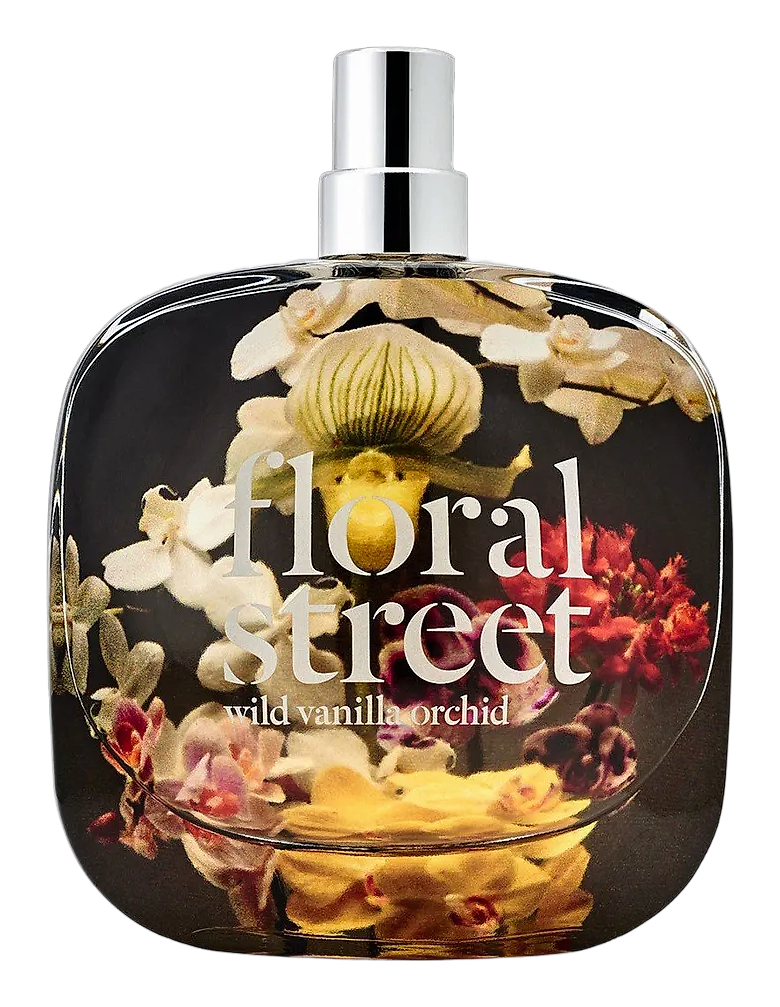
Michelle Feeney founded Floral Street in London and launched the initial fragrance collection, including Wonderland Peony and Wild Vanilla Orchid.
2017
London Poppy joined the initial collection, expanding the brand's floral catalogue.
2020
Arizona Bloom launched, introducing a new fragrance direction inspired by desert botanicals.
2021
Sunflower Pop joined the collection, expanding into bright, warm floral territory.
2023
Sweet Almond Blossom launched as the latest addition to the floral fragrance range.
At a Glance
Brand profile snapshot
Origin
United Kingdom
Founded
2017
Heritage
9
Years active
Collection
3
Fragrances released
Avg Rating
3.8
Community sentiment
Release Rhythm


