Heritage
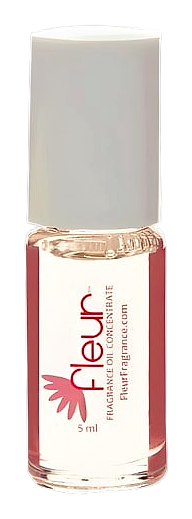
A house, in its own words
The history of Fleur Fragrance as a standalone house is difficult to trace in independent sources, which is itself notable in a market where brand narratives are typically polished and widely circulated. What is documented is the existence of a single eponymous launch, Fleur, dated to 2011, with no publicly linked perfumer or atelier credited. This thin public footprint places it among the smaller houses whose presence is felt more through retail availability than through editorial history. In a broader cultural context, the name 'Fleur' carries an unusually deep heritage within European perfumery. Guerlain's historic 1884 composition Fleur D'Italie and L.T. Piver's Reine des Fleurs, from a house founded in Paris in 1774, illustrate how the floral naming convention has been a recurring thread across centuries of French scent making. Independent fragrance houses launched in the 2010s, including Fleur Parfumerie, founded in Athens in 2013, continued that tradition into the modern era. For Fleur Fragrance specifically, the verifiable history begins and essentially ends with the 2011 launch. No founder, parent company, or creative director has been independently confirmed in third-party press coverage, and the brand does not appear in major industry databases with an extended biographical entry. Readers approaching the house should therefore understand it as a deliberately small operation, one whose legacy is measured in a single composition rather than in an accumulated archive of releases. What can be inferred about Fleur Fragrance's creative direction comes almost entirely from the name and the single product tied to it. Choosing 'Fleur' as both brand and fragrance title suggests a philosophy centered on reduction, on the idea that a single floral concept, executed with care, can carry an entire identity. This stands in contrast to the broader industry trend of houses releasing expanding portfolios designed to build wardrobe collections across categories. The minimalist positioning, one house, one name, one juice, implies a value system that privileges clarity over breadth. Rather than chasing market segmentation through flankers and seasonal limited editions, the brand appears to commit to a singular floral vision. In a perfumery culture that often rewards prolific output, this restraint is itself a statement. Because no independently verified interviews or essays from the brand's creative team appear in available sources, deeper claims about sourcing ethics, sustainability commitments, or olfactive inspirations cannot be substantiated. The philosophy section therefore relies on what the branding choices themselves communicate: a focused, name-driven approach that lets the fragrance speak for the house.