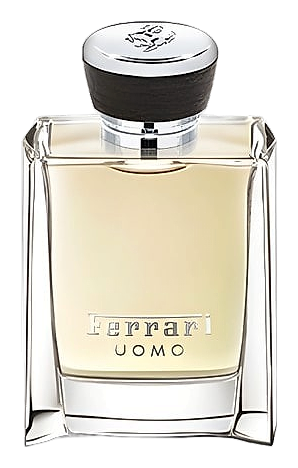
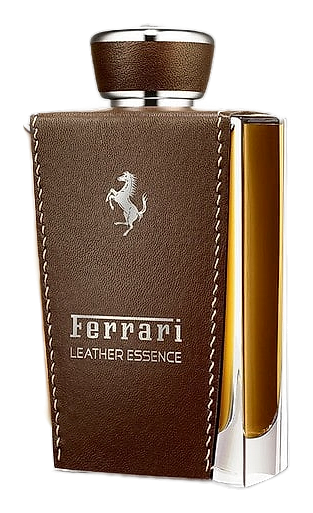
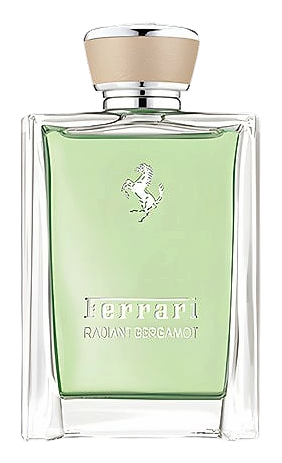
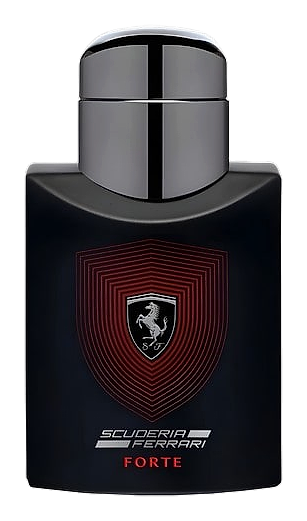
The Heritage
The Story of Ferrari
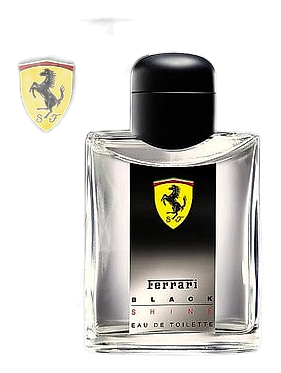
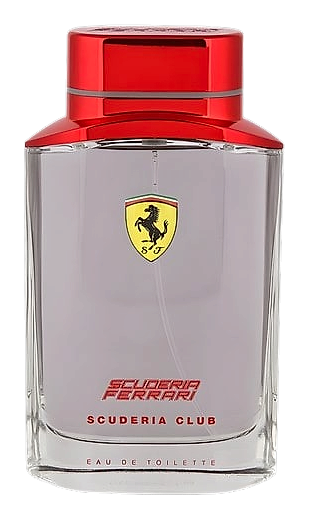
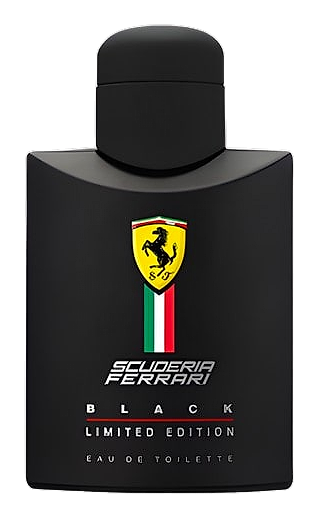
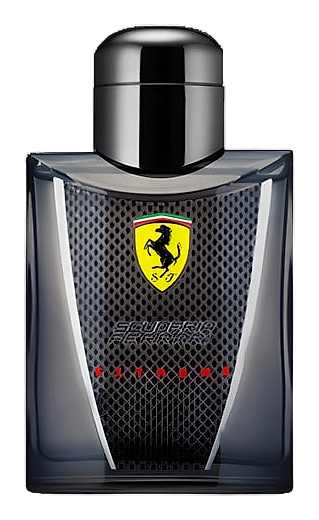
Ferrari fragrance collection translates the marque’s racing heritage into scented form. Since the debut of Ferrari Black in 1999, the line has grown to include more than a dozen scents, each named after a car model or a performance concept. The bottles carry the signature prancing horse logo, while the compositions blend fresh citrus, aromatic herbs, warm woods and leather to echo the speed, precision and Italian craftsmanship that define the brand.
Heritage
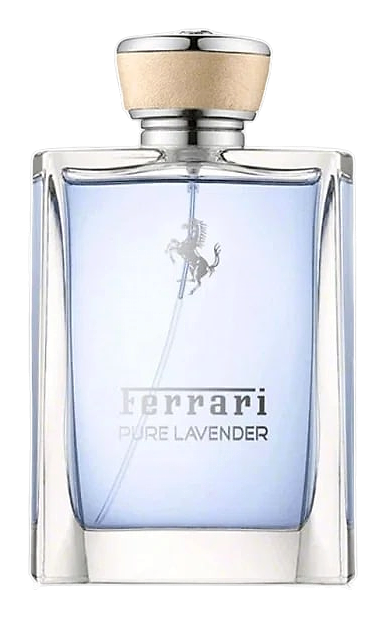
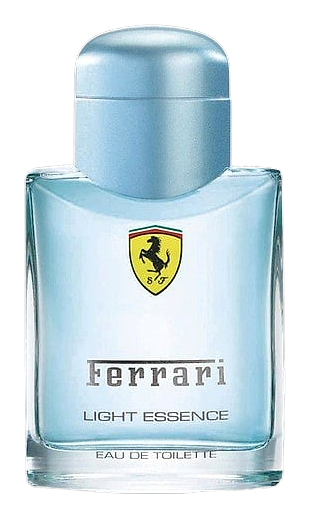
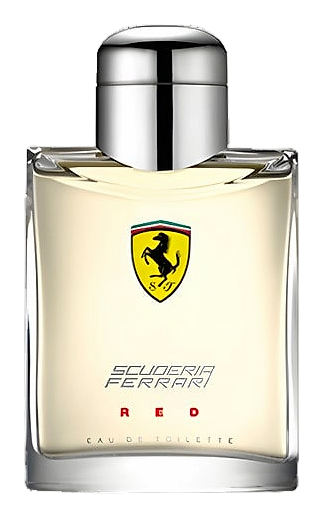
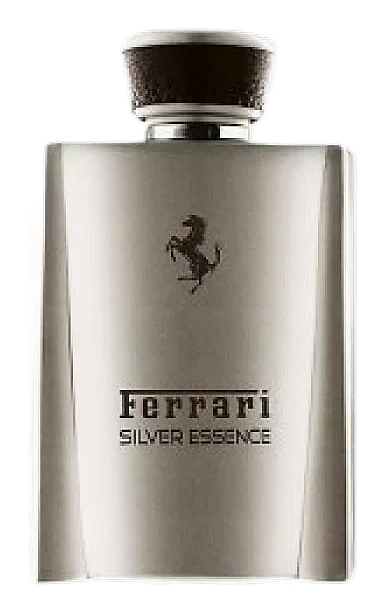
Enzo Ferrari founded the automotive company in 1939, and the first car bearing the Ferrari name rolled out in 1940. After World War II the firm established its headquarters in Maranello, Italy, where it built a reputation for engineering excellence and racing success. In the late 1990s the company looked beyond the track and entered the fragrance market. Ferrari Black, an oriental‑woody scent, launched in 1999 and marked the brand’s first foray into perfumery. The launch coincided with a broader diversification strategy that introduced fashion accessories and lifestyle products under the Ferrari name. Over the next decade the house released a series of fragrances that referenced specific models – for example Ferrari Scuderia Red (2010) and Ferrari Scuderia Forte (2017) – and thematic concepts such as “Light Essence” (2007) and “Silver Essence” (2012). Production has remained tied to Italy, with many ingredients sourced from Mediterranean suppliers. The fragrance line has been presented at international trade shows, including Esxence in Milan, where it has attracted collectors who value the blend of automotive heritage and olfactory design. While the perfume division does not operate as a separate corporate entity, its releases are coordinated by Ferrari’s marketing and design departments, ensuring that each scent aligns with the brand’s visual and performance standards.
Craftsmanship
Ferrari works with established fragrance houses to formulate its scents, but retains control over ingredient selection and final blending. Raw materials such as Sicilian bergamot, Calabrian orange blossom, and Tuscan rosemary are sourced from growers who meet the brand’s quality standards, which include sustainable farming practices and traceability. Leather notes are derived from vegetable‑tanned hides, a process that preserves the material’s natural texture and reduces chemical waste. Once the formula is approved, the mixture is macerated for several weeks to allow the components to integrate fully, a step that mirrors the tuning phase of a race car engine. The perfume is then filtered and filled into hand‑blown glass bottles at a facility in Italy that follows ISO‑9001 quality protocols. Each bottle receives a hand‑applied prancing horse emblem, and the caps are machined from brushed aluminum to echo the metallic finish of a Ferrari chassis. The final product undergoes stability testing under varying temperature and humidity conditions to ensure that the scent remains consistent from the showroom to the wearer’s wardrobe. This rigorous process reflects the same attention to detail that Ferrari applies to its engines and chassis.
Design Language
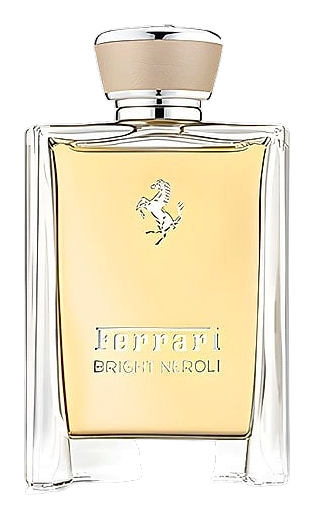
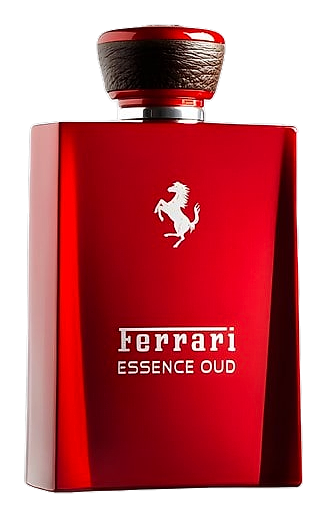
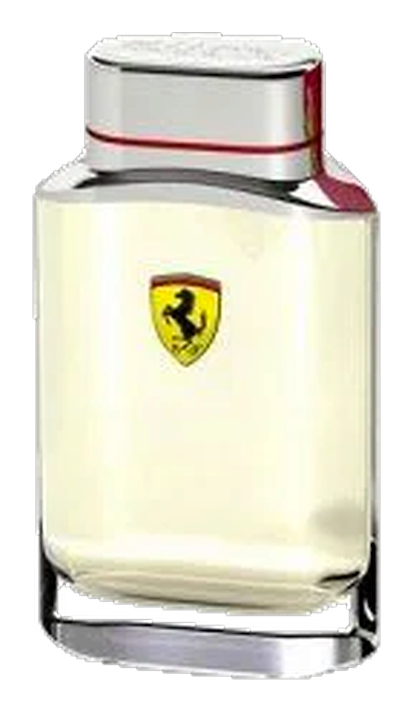
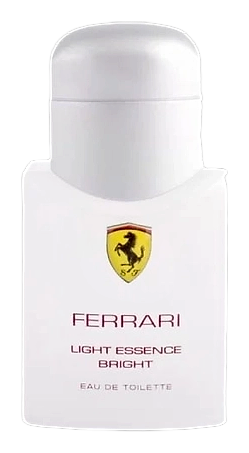
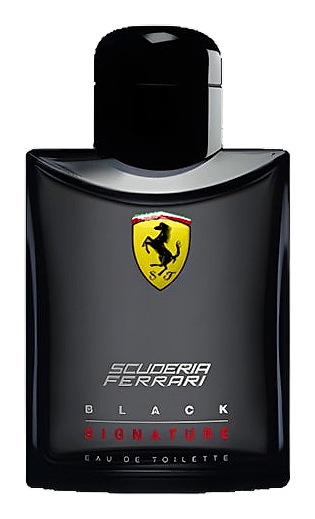
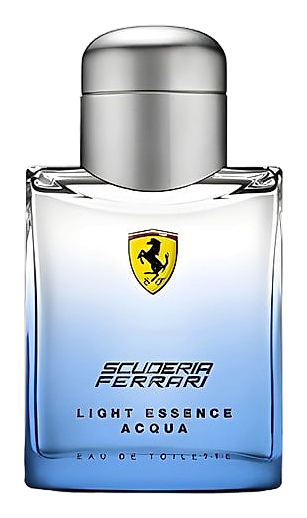
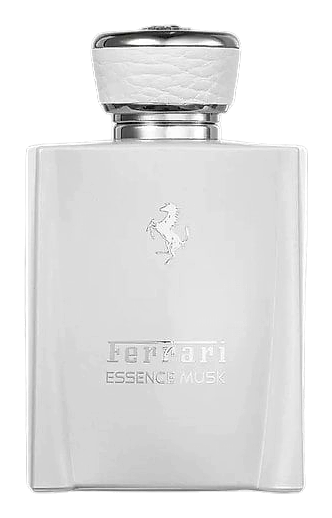
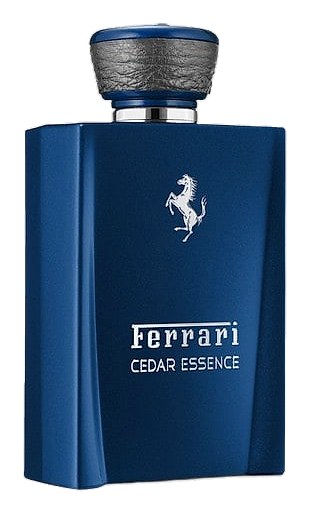
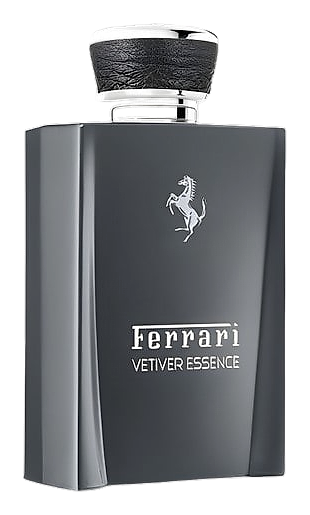
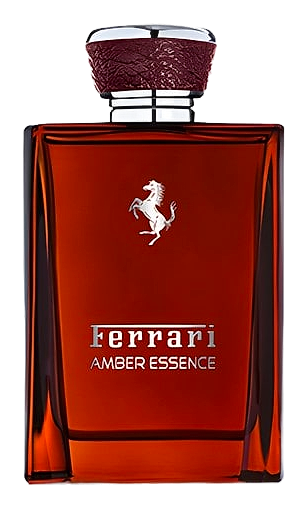
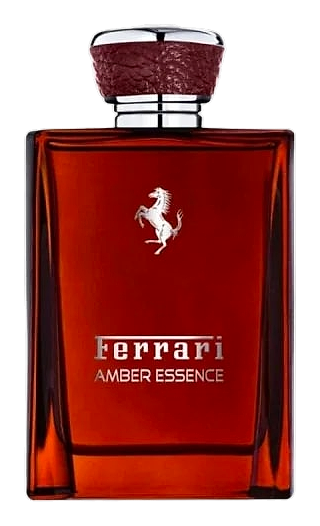
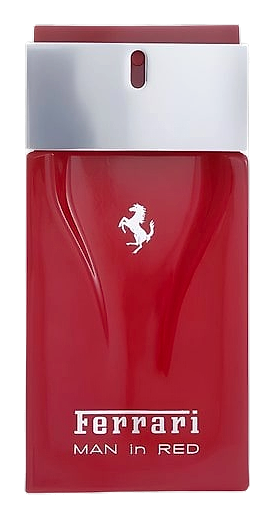
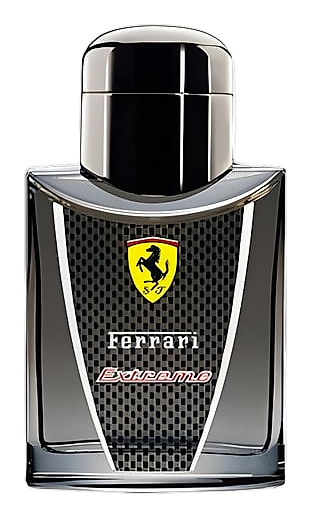
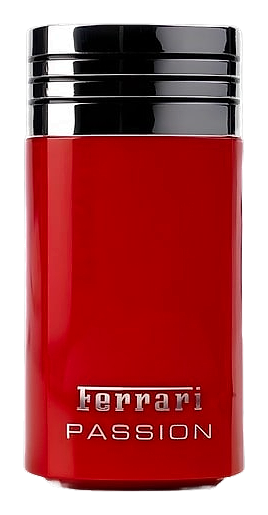
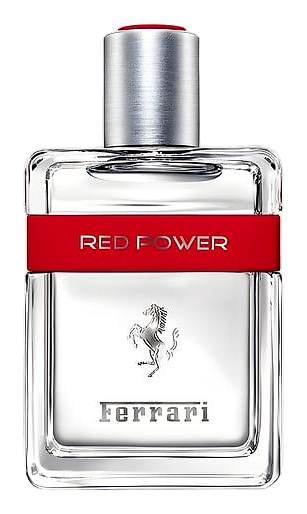
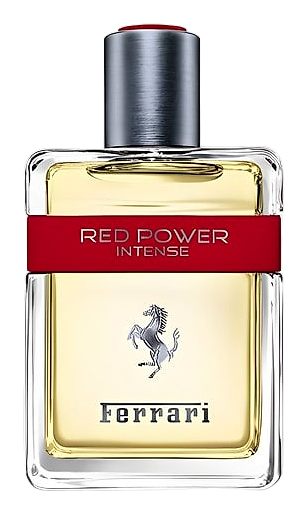
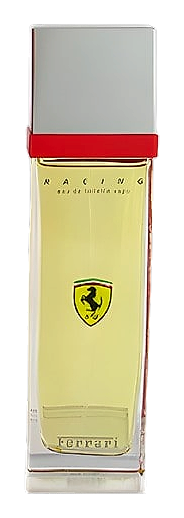
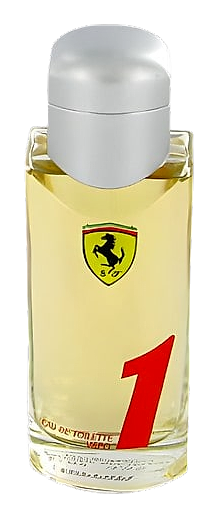
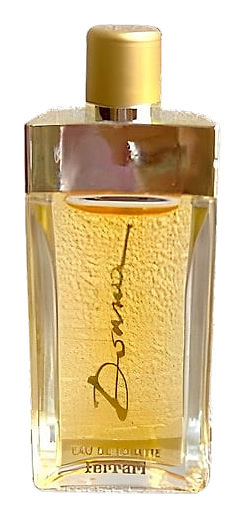
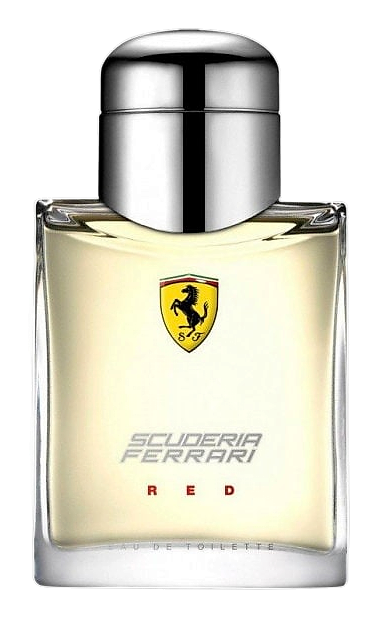
The visual language of Ferrari fragrances mirrors the brand’s automotive design cues. Bottles feature sleek, aerodynamic silhouettes, often with a low centre of gravity and a tapered waist that suggests motion. The glass is typically clear or lightly tinted, allowing the liquid’s colour – from bright amber to deep mahogany – to be seen, much like a polished engine block. The prancing horse logo is embossed or printed in metallic foil, providing a tactile link to the car badge. Caps are crafted from brushed aluminium or polished steel, finished with a subtle matte grip that recalls a steering wheel rim. Packaging boxes use high‑gloss black or deep red paper stock, accented with silver foil lettering that references the colour schemes of Ferrari’s racing livery. Typography is clean and sans‑serif, reinforcing a modern yet timeless feel. The overall aesthetic balances sportiness with elegance, inviting collectors to display the bottles as design objects as well as fragrance vessels.
Philosophy
Ferrari approaches scent as an extension of its racing philosophy: precision, speed and emotional impact. The creative brief for each fragrance starts with a vehicle or a moment on the track, then translates that narrative into notes that evoke acceleration, heat and the open road. The brand emphasizes authenticity, choosing ingredients that can be linked to the Italian landscape – citrus from Sicily, rosemary from Tuscany, and leather treated in traditional Italian workshops. Rather than chasing fleeting trends, Ferrari aims to craft scents that age with the wearer, mirroring the way a classic car gains character over time. The company also positions its fragrances as a way for fans to experience the brand’s spirit without a steering wheel, reinforcing the idea that performance can be sensed as well as seen. This vision guides collaborations with perfumers who understand both automotive design language and fragrance architecture, ensuring that each bottle tells a coherent story.

Key Milestones
1999
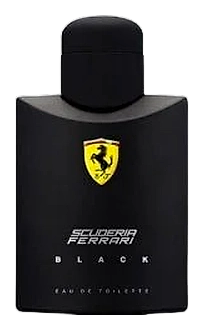
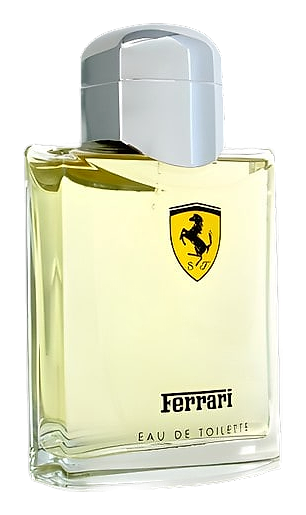
Ferrari Black, the first perfume under the Ferrari name, launches as an oriental‑woody fragrance.
2007
Ferrari Light Essence releases, highlighting fresh citrus and marine accords.
2010
Ferrari Scuderia Red debuts, inspired by the brand’s racing heritage and featuring spicy and woody notes.
2012
Ferrari Silver Essence arrives, combining metallic accords with aromatic herbs.
2015
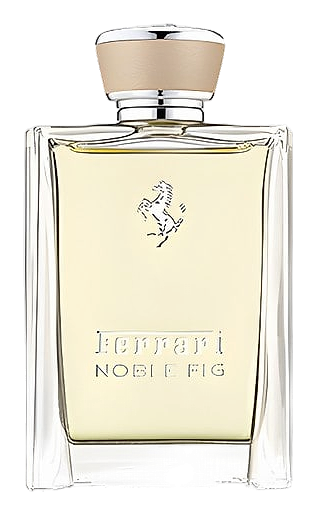
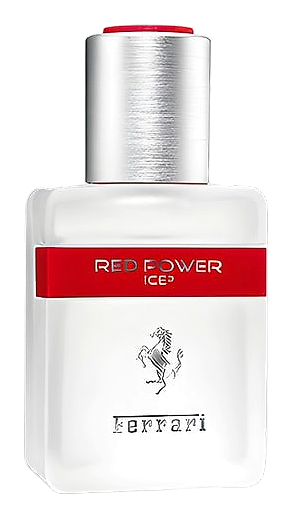
Ferrari Red Power Ice 3 and Noble Fig are introduced, expanding the line with fruity and fresh compositions.
2017
Ferrari Scuderia Forte launches, offering a bold, intense scent aimed at enthusiasts seeking a powerful olfactory experience.
At a Glance
Brand profile snapshot
Origin
Italy
Founded
1999
Heritage
27
Years active
Collection
2
Fragrances released
Avg Rating
3.9
Community sentiment
Release Rhythm


