






Heritage
A house, in its own words
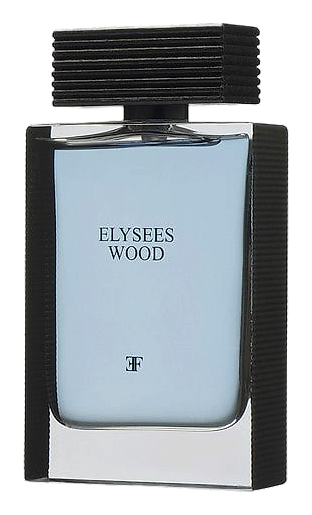
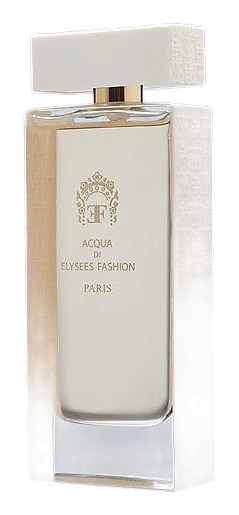
The specific heritage of Elysees Fashion remains difficult to establish with certainty from publicly available sources. The brand name itself draws clear inspiration from the Avenue des Champs-Élysées, one of the most famous thoroughfares in Paris, suggesting an intentional connection to French fashion and lifestyle heritage even if formal documentation of this intention is not widely available. The house appears to have established its presence in the fragrance market around 2014, when several of its initial fragrance releases, including Elysees Fashion, Queen of Love, and Purity, were introduced according to available product databases. The choice of names for the fragrance collection, ranging from personal attributes like Purity to romantic associations like Queen of Love, indicates a deliberate strategy to position these scents as accessible expressions of personal style and identity. The brand's subsequent releases through the mid-2010s, including Tendresse Du Soir in 2017, suggest an ongoing commitment to expanding the collection with scents targeting different occasions and preferences. Without access to press releases, documented interviews, or archival materials from the brand itself, any detailed account of its founding circumstances, founder identity, or early business decisions would constitute speculation rather than verified history. The philosophical underpinnings of Elysees Fashion appear centered on the intersection of fashion and personal expression through scent. The brand's naming conventions suggest an understanding of fragrance as an extension of one's identity and style choices, treating each scent as a fashion accessory in its own right. The range of fragrance names, from sport-oriented variants to evening-appropriate options like Tendresse Du Soir (Evening Tenderness), indicates an awareness of how scent can complement different aspects of a person's life and wardrobe. The French-language naming throughout the collection, despite potentially serving an international market, points to an aesthetic philosophy that values associations with Parisian sophistication and the heritage of French perfumery. This approach places the brand within a broader tradition of fashion houses and lifestyle brands that use fragrance as a vehicle for expressing brand values and connecting with consumers on an emotional level. The decision to offer both masculine variants (Elysées Body Homme) and presumably feminine-oriented scents suggests an inclusive philosophy that recognizes fragrance as a universal form of self-expression rather than a gender-specific luxury.