Heritage
A house, in its own words
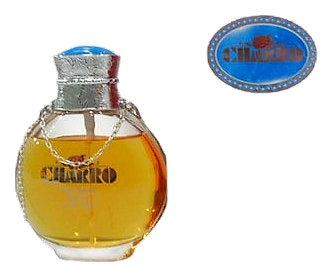
El Charro appeared on the fragrance market in 1991 with the release of El Charro for Woman, a floral eau de toilette. The brand takes its name from the charro, the iconic Mexican horseman whose embroidered suits, wide-brimmed sombreros, and equestrian skill represent a centuries-old tradition tied to hacienda culture and national identity. Despite this evocative name, the publicly available information about El Charro the fragrance house is sparse. There is no well-documented founding story, no verified founder name, and no clearly established country of origin in independent sources. Fragrance databases catalog the brand's single notable release without attributing it to a known perfumer or parent company. This scarcity of information is itself part of the brand's character. Among collectors of vintage and lesser-known fragrances, El Charro for Woman circulates as a curiosity, a 1991 floral with a distinctly Mexican name that has resisted mainstream visibility. The brand's relative obscurity means its heritage is more inferred than documented, a ghost in the perfume world whose cultural reference is rich but whose corporate history remains unwritten in public record. What can be discerned about El Charro's creative direction comes almost entirely from the composition of its sole documented fragrance. El Charro for Woman is built on a foundation of rose, peach, orange blossom, and gooseberry, a combination that suggests an intention to capture warmth and femininity through a blend of florals and soft fruits. The choice of orange blossom is particularly telling, as it is a note deeply rooted in Mediterranean and Latin perfumery traditions, valued for its ability to bridge brightness and sensuality. The inclusion of gooseberry adds an unexpected tart edge, hinting at a willingness to move beyond straightforward sweetness. Without official statements from the brand to draw from, the philosophy must be read through the bottle: a floral composition that leans into accessible, recognizable notes while incorporating less common elements. The charro name itself implies an appreciation for cultural heritage and romantic tradition, even if the brand has not publicly articulated a manifesto. El Charro seems to operate on the principle that a fragrance can carry cultural symbolism without needing to overexplain it.