
Heritage
A house, in its own words
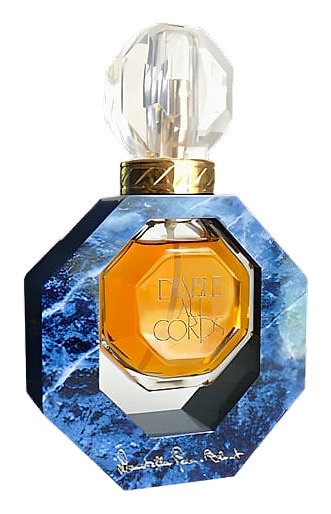
The Pecci-Blunt family has deep roots in Italian aristocratic and cultural life. Historical records indicate that in 1885, members of the family opened their home to writers, poets, artists, and musicians, establishing a pattern of patronage and cultural engagement that would define the household for generations. The family maintained a presence in both their native Tuscany and, from 1929 onward, spent part of each year in international settings, broadening their cultural connections. Donatella Pecci Blunt was born in Piedmont before relocating to Rome, where much of her adult life unfolded. She pursued studies at the Sorbonne in Paris, an education that positioned her between French intellectual culture and her Italian heritage. Her entry into fashion came through her marriage to Giorgio Zegna, with whom she operated in the spheres of fashion, fabrics, and couture. This intersection of aristocratic background and practical fashion industry experience shaped her approach to scent. The family connection continued through subsequent generations: her daughter Camilla Pecci Blunt McGrath, a photographer, inherited a passion for visual culture from her mother Contessa Anna Letizia Pecci Blunt. This lineage of creative women, noted for their brilliance and sophistication, forms part of the context in which Donatella's fragrance work emerged. The Pecci-Blunt tradition of bringing culture and artistry into the world found a new expression in perfumery. Donatella Pecci Blunt approached perfumery as an extension of her broader creative life rather than a commercial venture. With only two fragrances released across a six-year period, her body of work reflects a deliberate restraint and an interest in quality over quantity. Rather than pursuing wide distribution, she appears to have created scents that expressed specific artistic impulses, a philosophy reflected in the names and characters of her fragrances. Diable Au Corps, the debut, translates roughly as 'the devil in the body' or 'the mischief-maker,' suggesting an intent to unsettle conventions and inject wit into the perfumery landscape of the late 1980s. The 1994 release, Dans Le Vent, means 'in the wind' and evokes lightness, spontaneity, and a certain freedom of spirit. These two names alone reveal a range of expression, from provocative intensity to airy ease. The aristocratic context of her background likely reinforced values of craftsmanship and permanence over trend-driven production, an orientation that aligns with the collector appeal her fragrances have retained decades after their launch.